
Cat Ba Beyond · Lan Ha Bay
Are There Big Waves or Seasickness in Lan Ha Bay?
Lan Ha Bay’s limestone islands shelter many inner channels, so these routes often feel calmer than open sea. On ordinary days visitors may notice gentle movement rather than large waves. Sheltered does not mean wave-free: wind, storms, tides, the route and the boat all matter.
This is general travel information, not personal medical advice. If you have a health condition or need medicine, consult your clinician or pharmacist before travel.
When can Lan Ha Bay become rough?
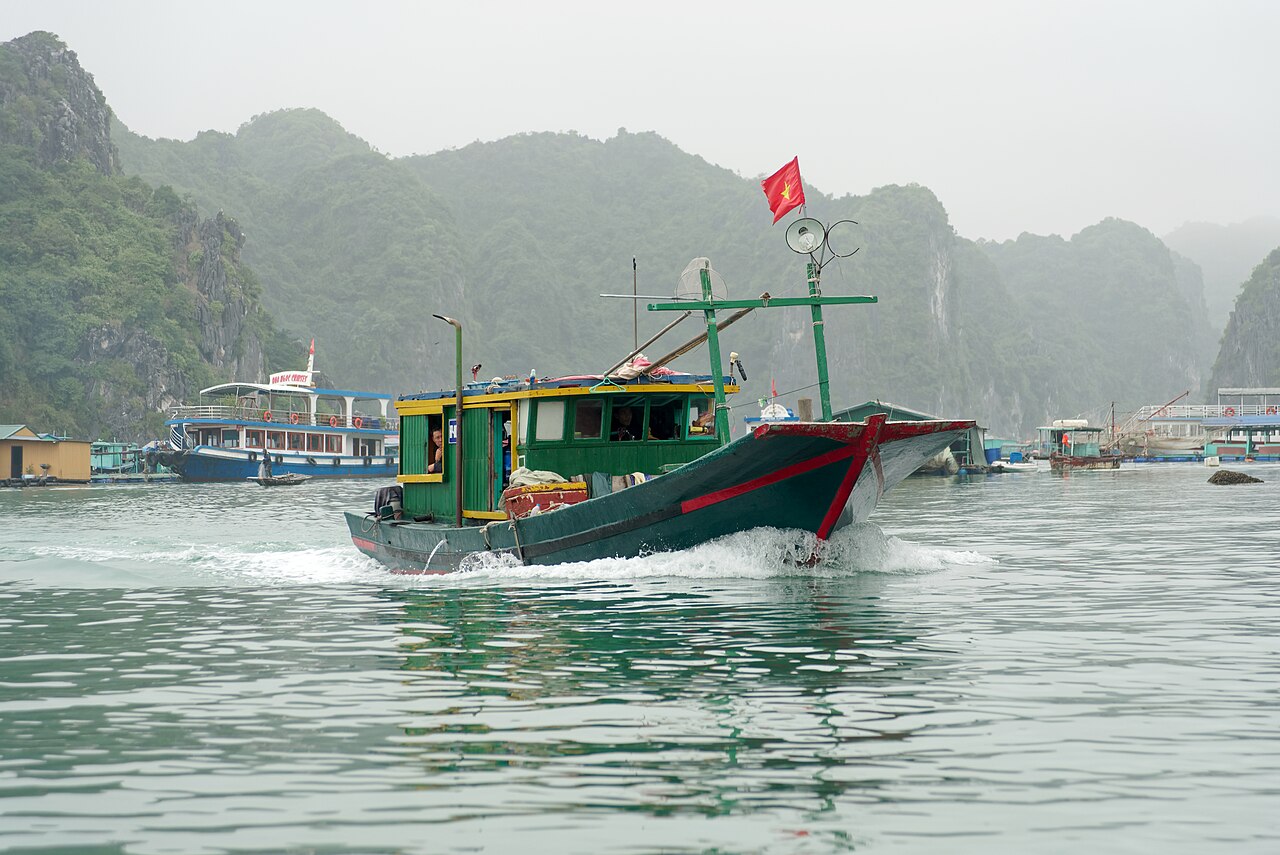
Strong northeast winds, tropical weather and wider exposed channels can make a journey uncomfortable. Rain can reduce visibility and leave decks slippery even if waves are modest. Harbour approaches and open sections may feel rougher than the passages between islands. A fast speedboat can bounce on short waves; a larger, slower cruise vessel often feels steadier, though no boat guarantees comfort.
During unsafe weather, the captain and authorities may alter or stop passenger trips. Cat Hai’s tourism-safety notice stresses vessel safety, passenger life jackets and emergency planning. Follow current port and captain instructions. A cancellation is a safety decision, not necessarily poor service.
Will you get seasick?
Some travellers who dislike open-sea ferries are comfortable on a sheltered Lan Ha route, but seasickness remains possible, especially if you are movement-sensitive or prone to migraine. Early signs can include yawning, dizziness, sweating, warmth, stomach discomfort or increased saliva. Tell the crew early rather than waiting for severe nausea.
The bow often moves more. A seat near the middle and lower-central part of the boat may feel steadier. Fresh air and a view of the horizon may help, but a very high deck can have more side-to-side motion.
How to reduce seasickness
Rest before the trip, drink water, eat a light meal and avoid alcohol. An empty stomach is not reliable protection. Once aboard:
- Sit near the middle of the boat and face forward
- Look toward a stable horizon
- Support your head and limit unnecessary movement
- Use fresh air when the crew says it is safe
- Avoid reading, phone use and editing photographs
- Move away from strong food, fuel or smoke smells
- Tell the crew promptly if you feel unwell
These steps reduce conflict between visual and inner-ear signals. The CDC Yellow Book supports horizon viewing, avoiding visual tasks and limiting head movement. Ginger may soothe some people, but evidence for reliable motion-sickness prevention is mixed.
Should you take motion-sickness medicine?
Preventive medication may work better before travel than after nausea is established, according to the CDC. The right product and timing depend on age, pregnancy, health conditions and other medicines. Some products cause drowsiness, blurred vision or dry mouth and are unsuitable for some people. Ask a doctor or pharmacist for advice instead of copying another traveller’s dose. Never give a child an adult medicine without professional guidance.
How should sensitive travellers choose a tour?
Consider a larger, slower vessel and a shorter daytime itinerary. Ask the operator:
- What exact boat and passenger capacity will be used?
- How much of the route crosses exposed water?
- Is indoor or sheltered seating available?
- Can I sit near the vessel’s centre?
- What happens if conditions deteriorate?
- Can the trip be changed or postponed?
A private speedboat may be convenient but can feel bouncy on choppy water. An overnight cruise is often slower and roomier, yet longer time afloat may not suit severe motion sensitivity.
Weather forecasts do not tell the whole story
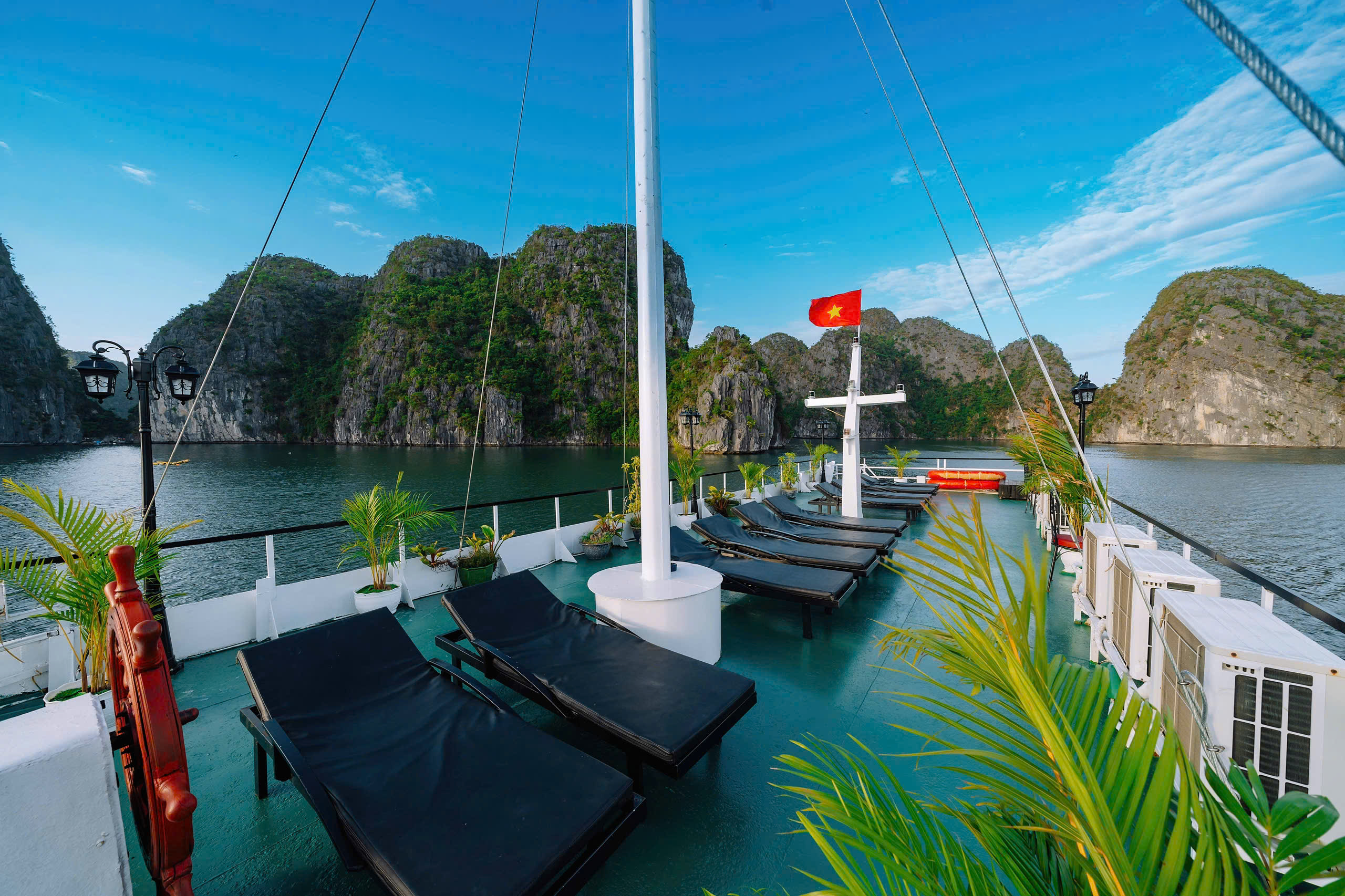
Bright sky does not guarantee calm water. Wind strength and direction, marine warnings and the chosen route matter more than rain probability alone. Conditions can change during the day. Use forecasts to plan, then follow harbour and captain decisions. A responsible operator may shelter behind islands, return early or postpone departure; it cannot promise perfectly flat water.
The honest answer
Large waves are not the everyday experience on protected inner routes, but rough conditions and seasickness remain possible. Boat choice, a clear weather policy and preparation can improve comfort. Tell the operator about motion sensitivity before booking and choose a properly authorised vessel suited to your needs.