
Cat Ba Beyond · Fishing Life & Local Culture
How Can Tourists Visit a Cat Ba Fishing Village Responsibly?
A floating house in Cát Bà may look like a beautiful photography subject, but to the people inside it, this is home. The nearby cages are not decorative pools. They hold fish that require months of feeding and care. The narrow wooden walkways are not viewing platforms; they are working spaces used to carry nets, seafood, water and equipment.
Responsible fishing-village tourism begins with one simple change in perspective: you are entering a living community, not an open-air museum.
Choose a knowledgeable local guide
The most respectful visit usually starts with a guide who understands the community. A local guide can explain which floating farms welcome visitors, when families are working and where guests are allowed to walk.
This matters because conditions change. A walkway may be under repair, a family may be harvesting fish, or strong currents may make boarding unsafe. A responsible guide communicates with residents instead of assuming that every floating structure is publicly accessible.
Local guides also add meaning to what visitors see. They can explain how cages are built, where freshwater comes from, why different fish are kept separately and how families prepare for storms.
UNESCO’s sustainable-tourism guidance emphasizes that local communities should be central to the visitor experience and that tourism should represent both a destination’s heritage and the lives of its host community.
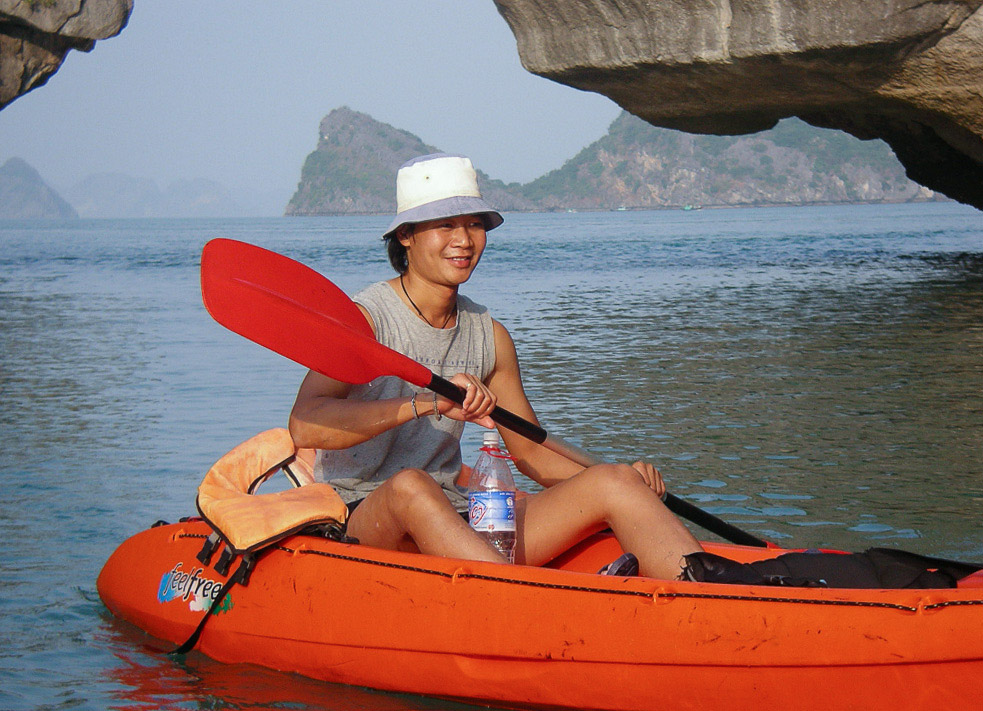
Never board without permission
A boat stopping beside a floating house does not automatically give passengers permission to step aboard. Wait until your guide has spoken with the resident and received a clear invitation.
Once aboard, follow the route shown by the host. Floating walkways may be slippery, uneven or narrow. Some sections are designed for workers familiar with the structure and may not safely support a group of visitors.
Do not open doors, enter private rooms or explore the platform independently. A family may store food, clothing, religious objects, documents and personal belongings only a few steps from the fish cages.
Permission to visit one part of a farm is not permission to enter every part of someone’s home.
Ask before taking photographs
A wide photograph of the landscape is different from a close portrait of someone working or resting. Always ask before photographing residents, particularly children and older people.
A smile, wave or camera gesture is useful only if the person understands what you are asking. Your guide can help request permission clearly. If someone refuses, accept the answer without persuasion or disappointment.
Avoid photographing through windows or doorways. Do not interrupt work to arrange a more attractive pose, and never ask children to perform an activity purely for a photograph.
If you intend to use images commercially, for advertising or for a business website, explain that purpose. Consent to a holiday photograph does not automatically include consent for commercial promotion.
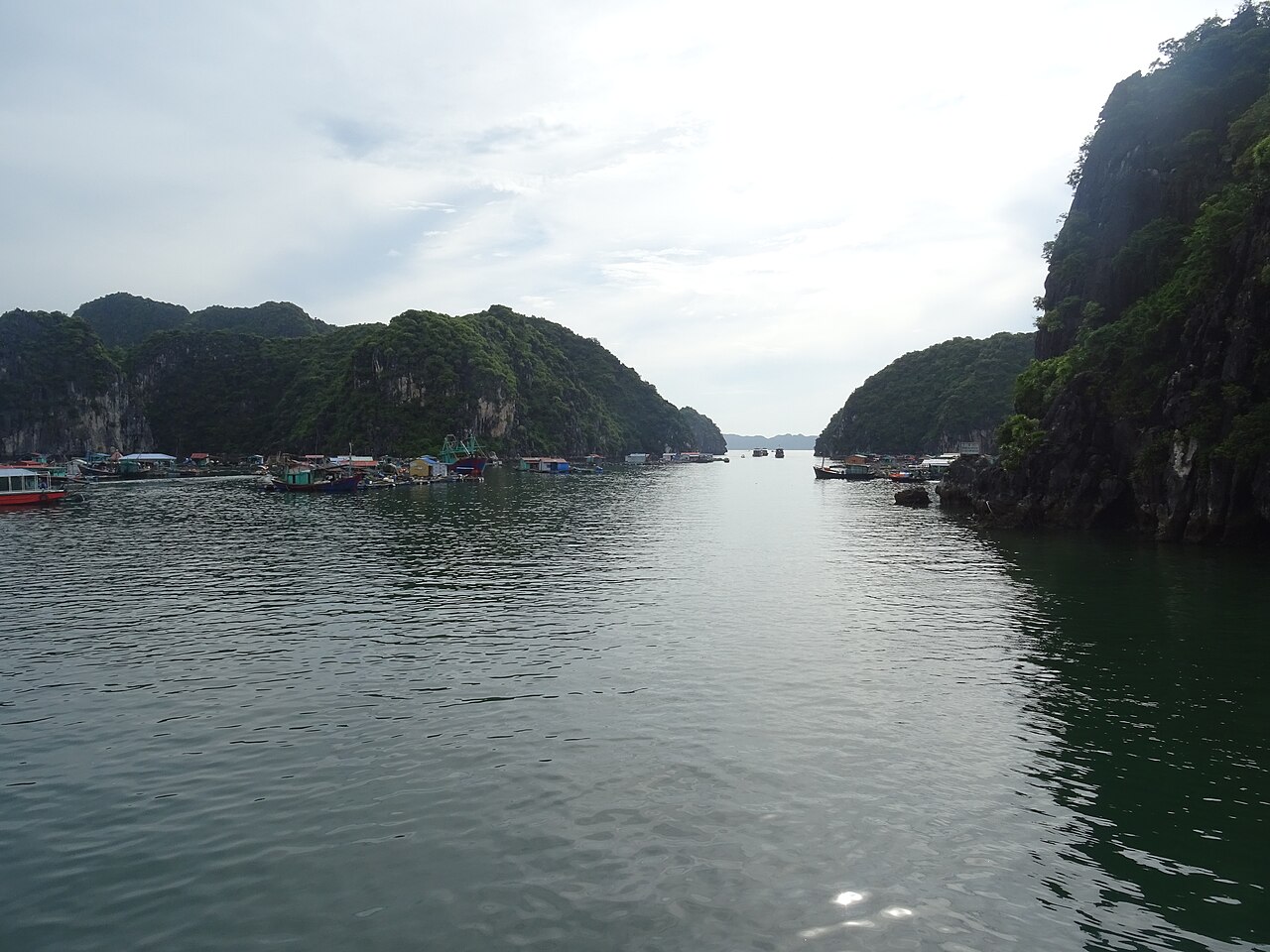
Remember that the farm is operating
Floating fish farms contain working nets, ropes, cages, feeding equipment and boats. Touching something out of curiosity may damage equipment or interfere with a task.
Visitors should not:
- Open or lift cage covers
- Pull nets or mooring ropes
- Move buckets, tools or feeding equipment
- Reach into cages
- Handle fish without an invitation
- Enter storage or living areas
- Block working walkways
- Jump or run on floating platforms
Keep children close and explain the rules before boarding. Adults should model the same behavior they expect from younger travelers.
A floating farm is also exposed to water, wind and boat movement. Listen immediately if the host or guide asks the group to change position, sit down or return to the boat.
Do not feed the fish independently
Feeding fish may seem harmless, but farmers manage the type, quantity and timing of feed. Random feeding can disturb that routine and introduce unsuitable food.
Never throw bread, snacks or leftovers into a cage. Human food may be inappropriate for the species, and uneaten material contributes to waste in the water.
If the farmer offers a supervised feeding demonstration, follow the instructions and use only the feed provided. The activity should happen because it fits the farm’s routine, not because visitors expect entertainment.
Keep noise under control
Sound travels easily across the water. Loud conversations, music and shouting can disturb families and other visitors long after a boat has passed.
Keep your voice at a normal conversational level. Turn off portable speakers and avoid unnecessary engine idling near floating homes. If you arrive early in the morning or near the end of the day, remember that residents may be resting or completing private household routines.
Drone use is particularly intrusive. A drone can look directly into homes, frighten animals and create persistent noise. Do not fly one above a fishing village without authorization from the relevant authorities and clear permission from affected residents.
Bring nothing that becomes rubbish
A responsible village visit should not leave plastic bottles, food wrappers or cigarette ends behind. Bring a refillable bottle when practical and keep small items secured so they cannot blow into the water.
Take all rubbish back to shore, including waste that appears biodegradable. Fruit peel and leftover food do not belong in fish cages or around floating homes.
Cigarette filters contain plastic and chemicals. Never throw them into the bay, and do not smoke on a family’s platform unless the host explicitly permits it.
Good intentions are less useful than careful habits. “Eco-friendly” packaging still becomes litter if it enters the water.
Protect the water
Lan Ha Bay supports aquaculture, wildlife, tourism and daily community life. Polluting the water damages all four.
Do not pour drinks, soap, sunscreen, fuel or wastewater overboard. If swimming or kayaking is part of the itinerary, use products thoughtfully and avoid applying excessive oil or lotion immediately before entering the water.
Never collect shells, marine organisms, coral fragments or objects from fish farms. What appears abandoned may be part of local equipment, a natural habitat or a culturally meaningful object.
Follow all instructions about restricted areas, swimming zones and kayaking routes. UNESCO notes that managing visitor movement and behavior is essential for protecting heritage places and reducing negative effects on host communities.
Spend in ways that benefit residents
Responsible tourism is not only about avoiding harm. It should also create fair economic value for the host community.
Choose locally operated guides, transport providers, restaurants and accommodation where possible. If residents sell seafood, drinks or handmade products, ask the price before buying and pay the agreed amount.
Bargaining is normal in some settings, but aggressive negotiation over a low-cost item can feel disrespectful—especially when a traveler spends far more freely on large travel companies elsewhere.
Small-group tours often allow better communication, reduce crowding on floating platforms and create a more meaningful experience. Ask operators whether hosts receive payment when their homes or farms are included in an itinerary.
A community should not be expected to provide access, stories and photographs without receiving a fair share of the value created.
Buy seafood thoughtfully
If seafood is offered, ask what species it is, whether it was farmed locally and how the price is calculated. Confirm whether the cost is per kilogram, per animal or per prepared dish.
Do not pressure farmers to sell stock that is not ready for harvest. Fish in a cage are not automatically restaurant inventory available on demand.
Choose portions you can finish and avoid ordering excessive amounts merely for photographs. Food waste carries an environmental and economic cost, particularly when seafood has taken months or years to raise.
Ask about contemporary life
Fishing villages are often marketed as places where life has remained unchanged for centuries. That description may sound romantic, but it hides reality.
Residents use phones, engines, solar panels and modern equipment. Some families live ashore and commute to their cages. Aquaculture is being reorganized, tourism is creating new occupations, and environmental regulations affect where farms can operate.
Ask questions about current life:
- How has fish farming changed?
- Where do families obtain freshwater?
- How do children travel to school?
- What happens before a storm?
- Why do some families now live on land?
- How has tourism affected local work?
- Which traditions are becoming harder to preserve?
These questions treat residents as people navigating change rather than characters in an idealized past.
UNESCO’s visitor-communication guidance encourages accurate stories about destinations and their host communities rather than a romanticized picture disconnected from contemporary life.
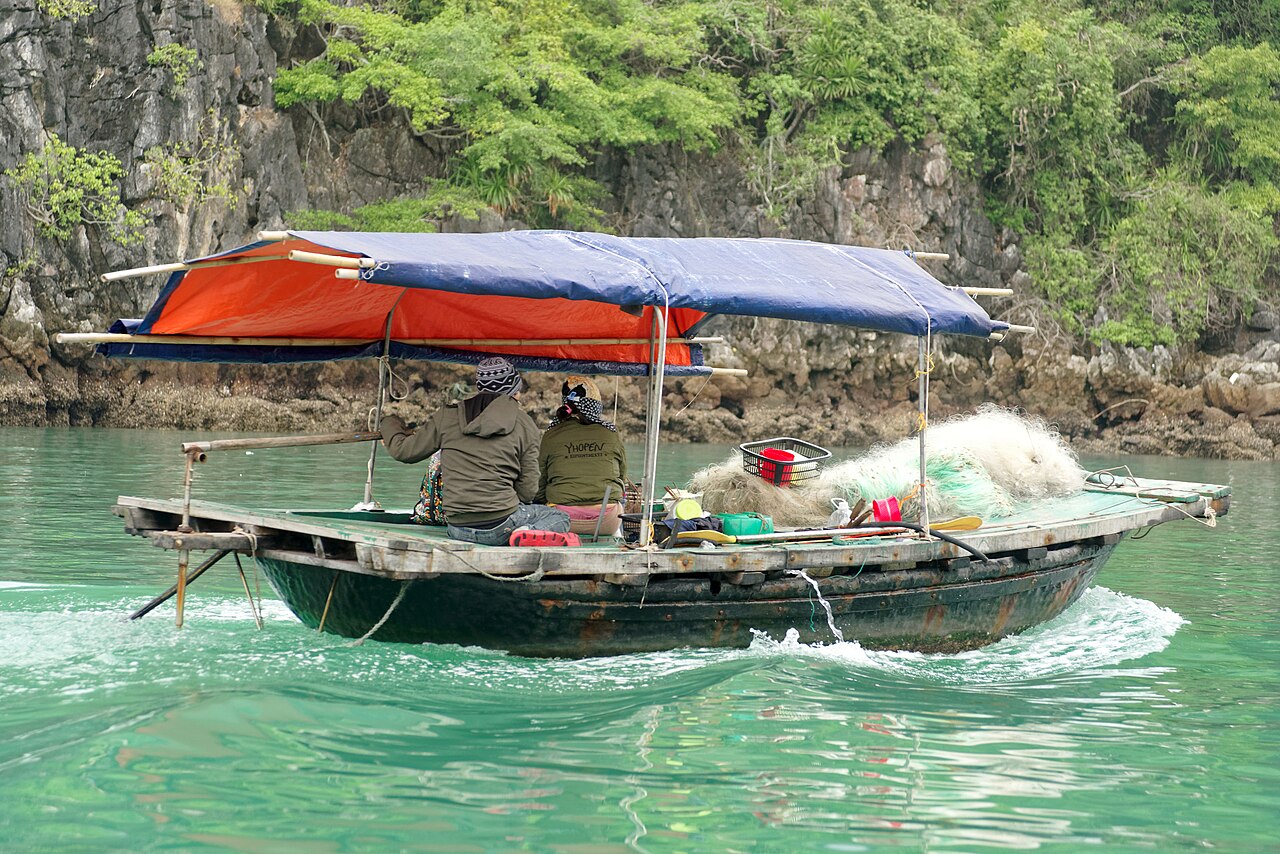
Listen without demanding personal stories
A guide may explain general aspects of floating life, but residents are not required to discuss their income, family circumstances or experiences of relocation.
Avoid questions that would feel intrusive in your own home. Do not ask how much a person earns, how much their property is worth or whether they are poor merely because their house looks simple.
When someone chooses to share a personal story, listen carefully. Do not immediately turn the conversation into content for social media. Ask before quoting, recording or publishing identifying details.
Avoid staged poverty and animal experiences
Be cautious of tours that advertise unrestricted entry into homes, close photography of children or interactions that make residents perform private life for visitors.
Also avoid any activity that handles wildlife, removes marine animals from the water for photographs or encourages visitors to tease fish. A responsible aquaculture demonstration should be supervised by the farmer and connected to genuine work.
Authenticity does not mean gaining access to everything. Often, the most ethical experience includes boundaries.
Respect religious and household spaces
Floating homes may contain ancestral altars, offerings or other religious objects. Do not touch, move or photograph them without specific permission.
Remove shoes if asked. Dress appropriately for entering a family space and avoid sitting on beds, food-preparation surfaces or working equipment unless invited.
Small gestures communicate whether a visitor sees the structure as somebody’s home or merely as an attraction.
Keep the group small and the visit unhurried
Large groups can crowd walkways, overwhelm a household and create safety problems. They also make genuine conversation difficult.
A small group is easier to manage and less disruptive. However, responsible travel does not mean extending the visit indefinitely. Residents have work to complete, and a host should not feel forced to entertain guests for longer than planned.
Arrive at an agreed time, listen carefully and leave when the guide or family indicates that the visit is complete.
Share responsibly after returning home
Responsibility continues after the tour. Do not publish the precise location of a private floating home unless the resident operates a visitor business and wants that information shared.
Avoid captions that describe people as primitive, untouched by modern life or existing only for tourism. Such language removes agency and turns working communities into stereotypes.
Share what you learned about skills, environmental pressures and local adaptation. Credit the guide or community business when appropriate and recommend operators that behaved respectfully.
A thoughtful post can direct future travelers toward better choices. An intrusive photograph or misleading story can do the opposite.
A simple test for responsible behavior
Before doing anything in a fishing village, ask three questions:
- Do I have permission?
- Could this interfere with someone’s home, work or safety?
- Does my visit return value to the people hosting me?
If the answer to the first question is unclear, wait. If the second answer is yes, stop. If the third answer is no, reconsider the operator or experience.
Responsible tourism does not require perfection. It requires attention, restraint and respect.
Leave the village as a guest, not a consumer
The best fishing-village visit is not the one that gives you unrestricted access. It is the one that helps you understand how people build homes, raise fish, read weather and maintain a livelihood on the water—without making their lives harder.
Ask before entering. Photograph with consent. Leave no waste. Pay fairly. Listen more than you perform. Treat residents as hosts rather than scenery.
Those actions protect privacy, strengthen local livelihoods and help keep Lan Ha Bay worthy of visiting.