
Cat Ba Beyond · Activities
How Did People Once Live on Lan Ha Bay?
Before Lan Ha Bay became known for cruises and kayaking, it was a working seascape. Local families did not simply live beside the water—the water shaped how they travelled, earned money, found food and responded to danger.
Their lives were often described as peaceful, but that description tells only half the story. Living on the bay required practical knowledge, physical work and constant attention to weather, tides and marine resources.
The story begins before the floating village
Cai Beo’s human history reaches far beyond the floating houses visible today. Archaeological remains near the present harbour include stone tools, pottery, animal bones and fish remains. These discoveries indicate that prehistoric communities settled along this coast and exploited marine resources thousands of years ago.
Cat Ba National Park dates the Cai Beo site to approximately 7,000–6,000 years ago, while local heritage authorities describe it as an important ancient coastal settlement.
This does not mean today’s floating village has existed in exactly the same form for seven thousand years. Archaeological settlement and the modern community are different chapters. What they share is a long tradition of adapting to the sea around Cat Ba.
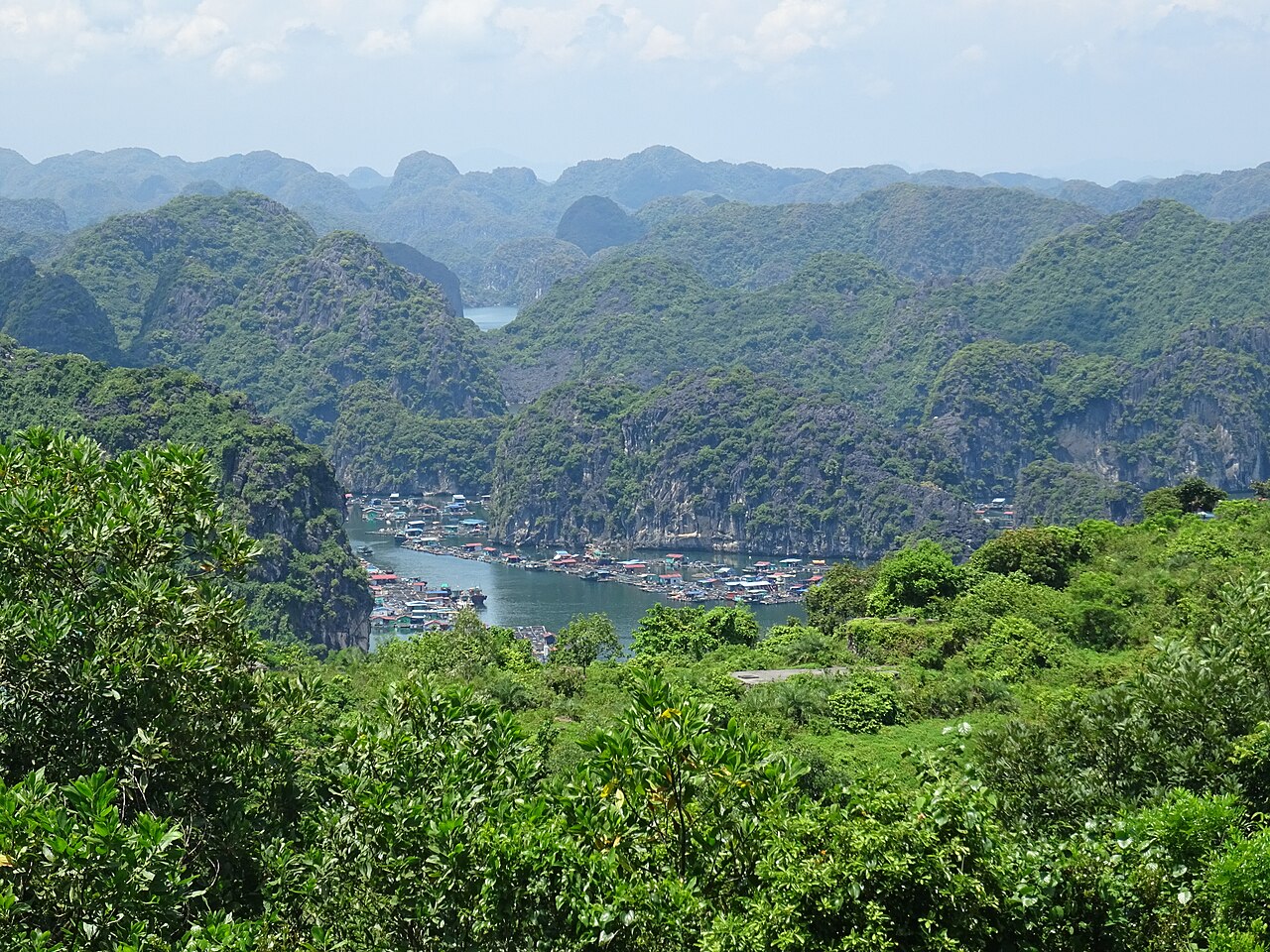
What did a floating home look like?
More recent fishing families lived in modest wooden houses constructed on buoyant platforms. These homes stood beside cages used for raising fish and shellfish. Ropes and anchors kept the structure in position, while narrow wooden walkways connected different working areas.
A floating home could serve several purposes at once:
- Family living space
- Storage for nets and equipment
- A platform for repairing fishing gear
- A workplace above aquaculture cages
- A place for sorting or preparing seafood
- A mooring point for small boats
The family boat was the equivalent of a road vehicle. It carried people to Cat Ba, transported supplies, moved seafood and connected one floating household with another.
How did residents earn a living?
Fishing was the foundation of the local economy. Residents used their knowledge of seasons, tides, winds and fishing grounds to decide where and when to work. Nets, hooks, traps and small boats were everyday tools rather than tourist props.
Aquaculture later became important for many households. Fish such as grouper and cobia, together with shellfish and other marine products, could be raised in cages beneath or beside the home.
This work required continuous attention. Families monitored the cages, repaired nets, prepared feed and protected their stock. A damaged net could release valuable fish, while disease or poor water conditions could threaten months of labour.
Local reporting from Hai Phong describes the close relationship between fishing grounds, floating homes and livelihoods at Cai Beo.
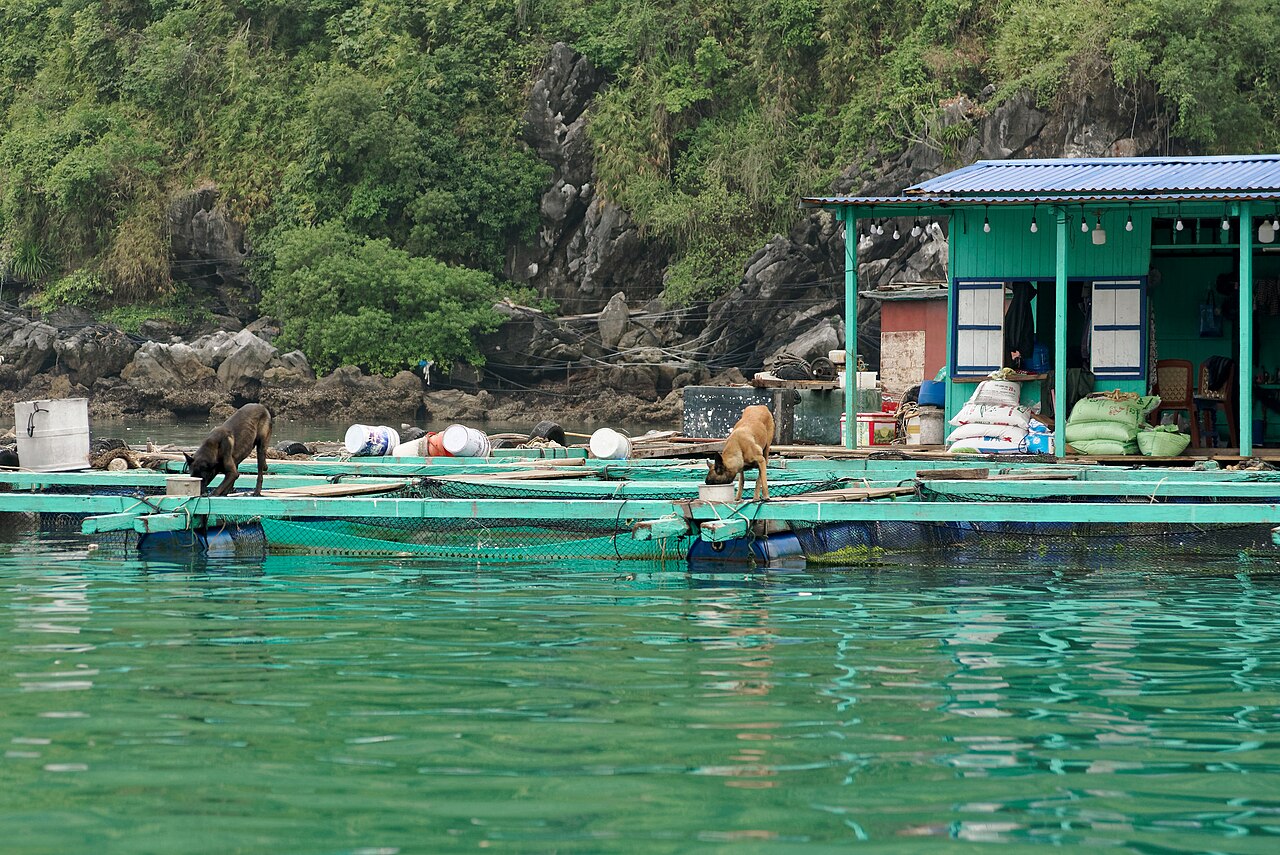
What was daily life like?
The day often began early because fishing, market activity and boat travel depended on light, tide and weather. Families cleaned equipment, checked cages, collected seafood and prepared products for sale.
Fresh water, fuel, food and construction materials had to reach the home by boat. Waste, repairs and medical needs were more complicated than they would be in town. Access to schools and public services also required travel between the floating community and land.
Children grew up understanding boats, water and changing weather from an early age. Their home environment provided practical maritime knowledge, but it could also make education, healthcare and social services harder to access.
Life on the bay was communal. Neighbours could exchange information, help repair equipment or respond when a boat or cage was damaged. Cooperation became particularly important before storms.
How did families prepare for dangerous weather?
The limestone islands provide shelter, but Lan Ha Bay is not protected from every storm. Strong wind, heavy rain and rough water could damage homes, boats and aquaculture cages.
Residents secured ropes, strengthened moorings and moved vessels into safer positions. They also monitored changing conditions through direct observation and information from authorities.
A storm threatened more than the house. It could destroy equipment, release farmed fish and remove the family’s source of income. Living on the water therefore required resilience, but it should not be romanticised as an effortless or permanently tranquil lifestyle.
Why has floating-village life changed?
Environmental management, navigation safety, public services and aquaculture planning have transformed the bay. Floating facilities and fish cages must be controlled because dense development can affect water quality, scenery and marine ecosystems.
World Heritage management documentation describes plans to rearrange anchoring sites and aquaculture cages around Lan Ha and Ben Beo. Many households have relocated to land or changed how they work. Some continue fishing or aquaculture, while others participate in tourism, boat services, seafood supply and related businesses.
Tourism can provide additional income, but it also changes the relationship between the community and the bay. A working home may become something visitors photograph, and an ordinary fishing route may become part of a sightseeing itinerary.
Does anyone still live and work on the water?
Floating homes, fish farms and working boats can still be seen around Cai Beo and parts of Lan Ha Bay. However, visitors should not assume that everything represents an untouched ancient lifestyle.
Modern materials, engines, mobile phones and tourism are now part of life. Families adapt as regulations, markets and environmental conditions change. Culture remains alive precisely because it changes rather than remaining frozen for visitors.
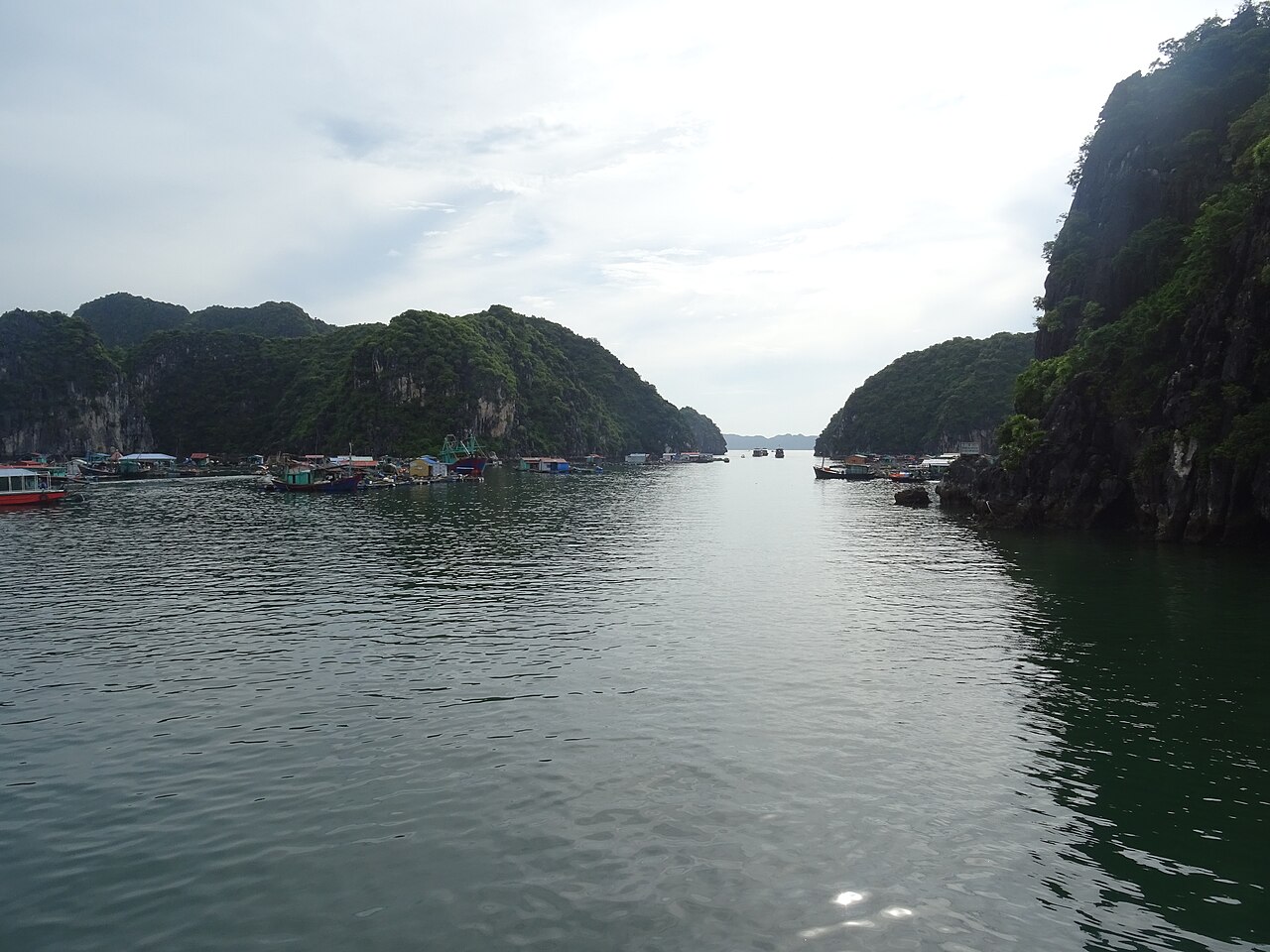
How should visitors behave?
Cai Beo is a workplace and, for some people, a home. Visitors should keep noise low, avoid blocking working boats and ask permission before taking close photographs of residents.
Do not touch aquaculture cages, feed fish without permission or throw anything into the water. Choose a local guide who can explain the community’s history, present-day challenges and relationship with the marine environment.
The most respectful visit is not simply a search for picturesque floating houses. It is an opportunity to understand the knowledge and labour that allowed generations of Cat Ba residents to build their lives around the sea.