
Cat Ba Beyond · Fishing Life & Local Culture
How Do Local People Farm Fish in Lan Ha Bay?
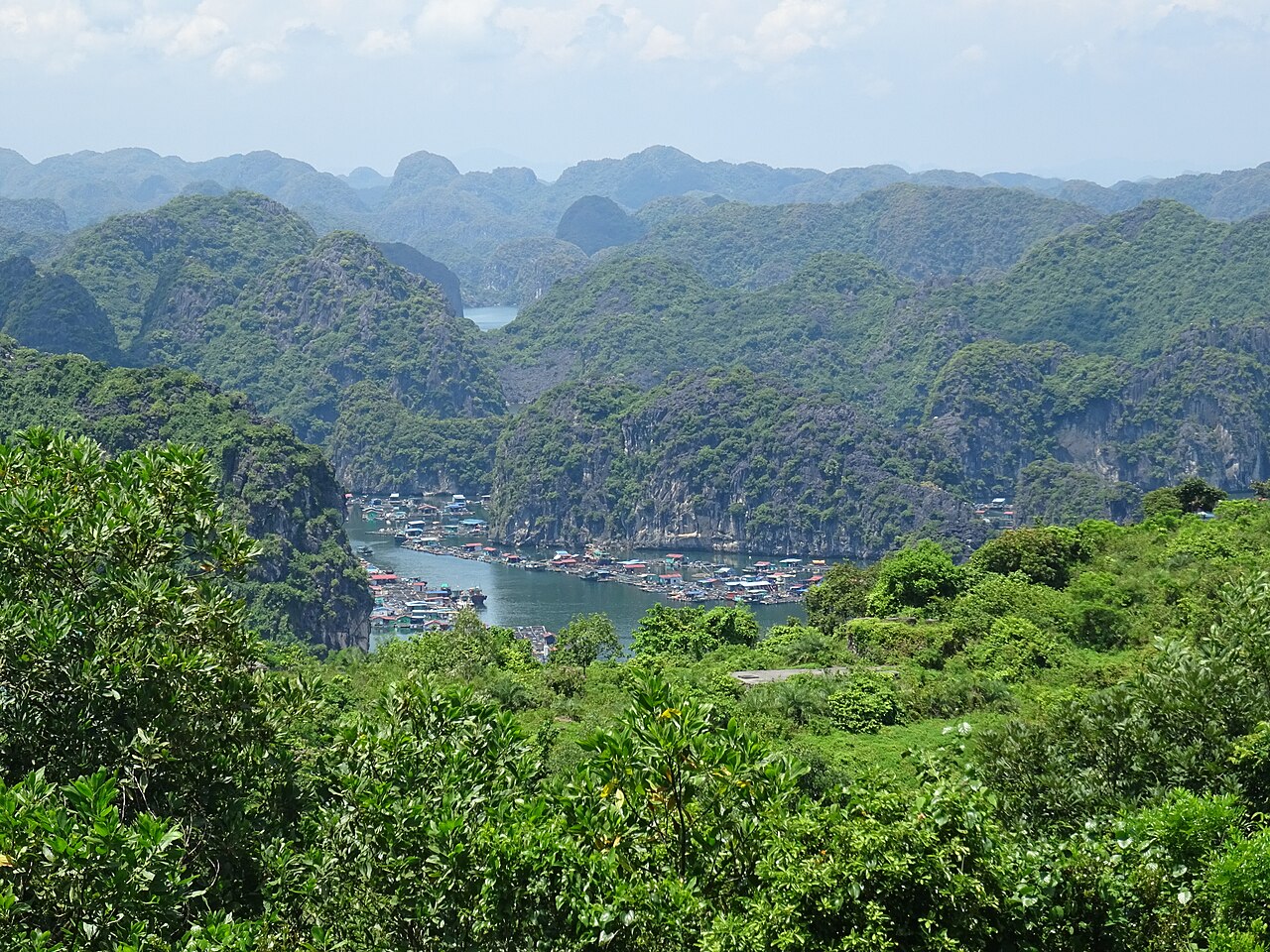
At first glance, a floating fish farm in Lan Ha Bay may look like a small wooden house surrounded by peaceful squares of water. Beneath those walkways, however, is a carefully managed aquaculture system—and behind it is the daily work of families whose lives have long been connected to the sea.
A farm built above the water
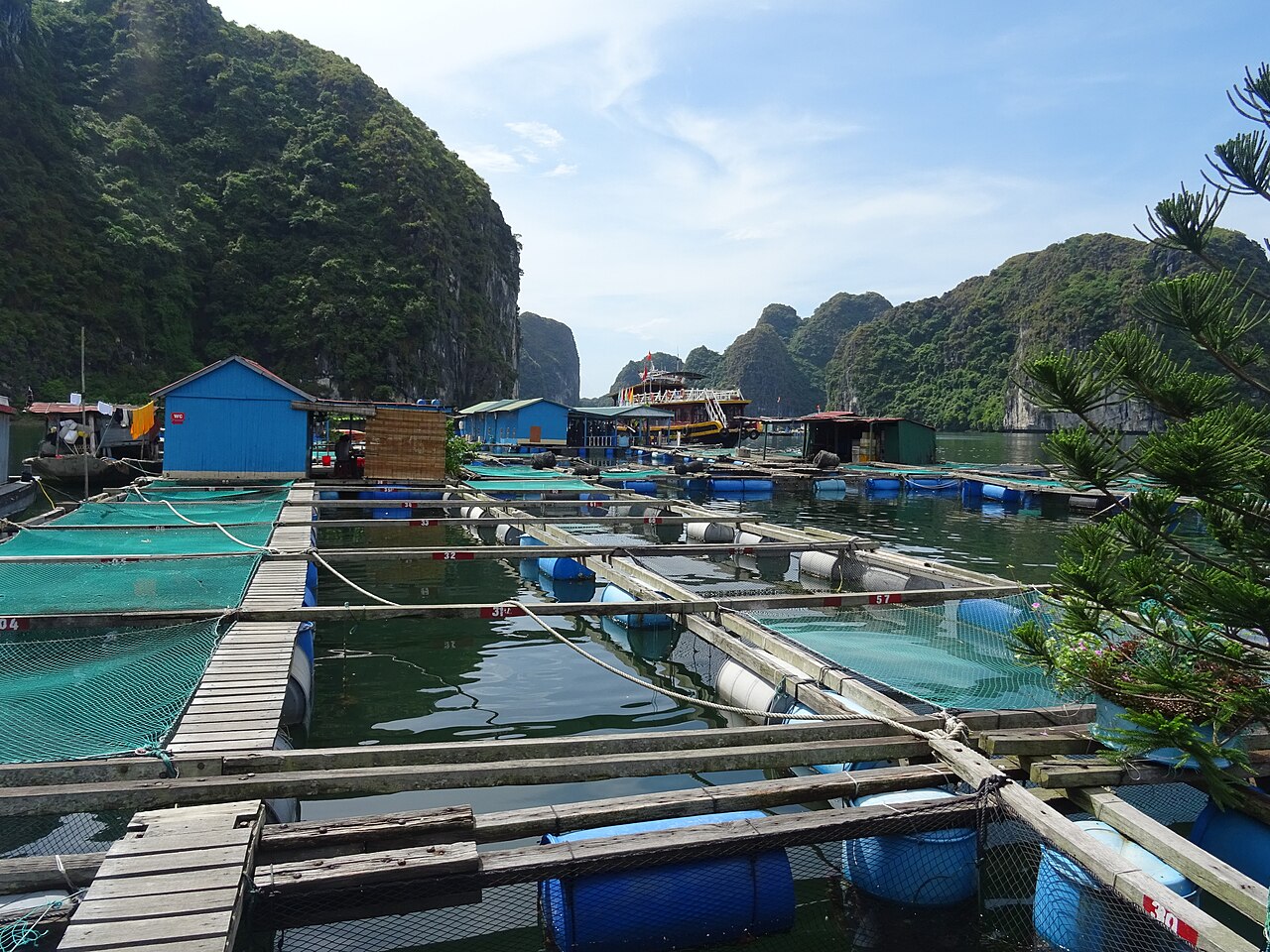
Traditional fish farms are built on floating frames supported by buoyant materials and secured at fixed anchoring points. Net cages hang below the walkways, allowing seawater to circulate naturally while keeping the fish inside.
The floating structure may include a family home, storage space, feeding areas and several cages of different sizes. Each farm is therefore more than a workplace: it can also be a home, a boat landing and the center of a family’s livelihood.
Choosing and sorting young fish
Farmers begin with juvenile fish obtained from suitable suppliers or, traditionally, from fishermen operating around the region. Commonly farmed species may include grouper, cobia, sea bass and snapper.
Young fish are sorted by species and size before being released into separate cages. This step helps farmers control feeding, monitor growth and reduce competition between larger and smaller fish. Stocking methods vary according to the species, cage capacity, season and experience of each household.
Feeding fish is a daily responsibility
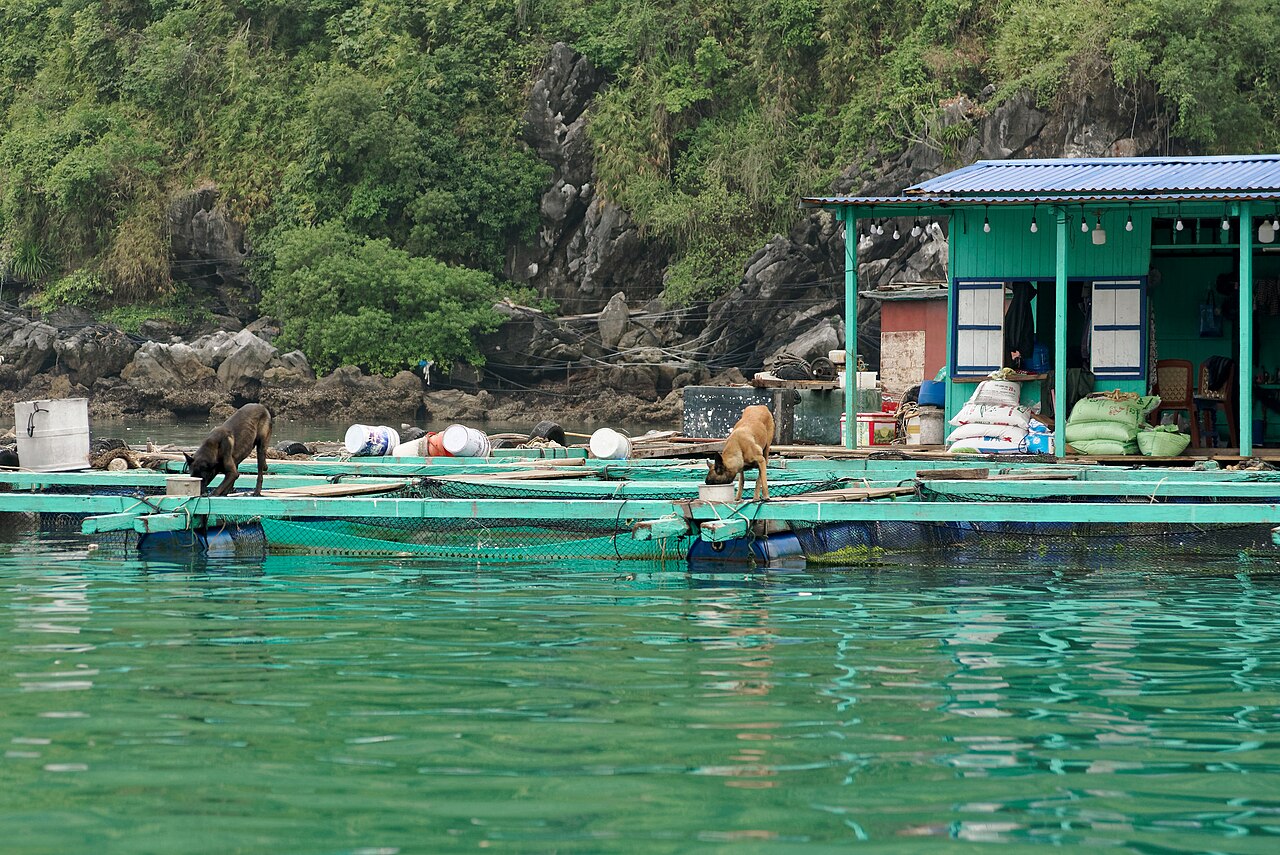
Feeding normally takes place once or several times a day, depending on the species, age, weather and appetite of the fish. Some local farms have traditionally used small, low-value fish as feed, while more modern operations may introduce formulated feed.
Farmers do not simply throw food into the cages and leave. They watch how quickly the fish respond, how much they consume and whether any animals behave unusually. A loss of appetite can indicate stress, poor water conditions or health problems, so careful observation is one of the most important skills in the job.
What farmers check every day
Life on a floating farm follows the tides and weather rather than a fixed office schedule. Farmers regularly inspect:
- The appetite, movement and appearance of the fish
- Nets for holes, loose sections or trapped debris
- Ropes, anchors and floating frames
- Water circulation around each cage
- Marine growth attached to the netting
- Weather forecasts and approaching storms
Algae, shells and other organisms gradually grow on submerged nets. If the mesh becomes clogged, water cannot circulate effectively. Farmers must therefore clean or replace sections of netting and repair damage quickly to reduce the risk of fish escaping.
How storms affect a floating farm
Strong winds and tropical storms are among the greatest challenges for aquaculture families. Before severe weather arrives, farmers reinforce mooring ropes, inspect anchors, secure equipment and remove loose objects. Fish cages must remain stable while still moving safely with waves and changing water levels.
A damaged frame or torn net can mean losing months of work in a single night. For that reason, knowledge of local currents, sheltered areas and changing weather is just as valuable as knowledge of the fish themselves.
Harvesting and selling the fish
Fish are not always harvested at the same time. Farmers may wait until they reach a suitable market size or collect a particular quantity in response to an order.
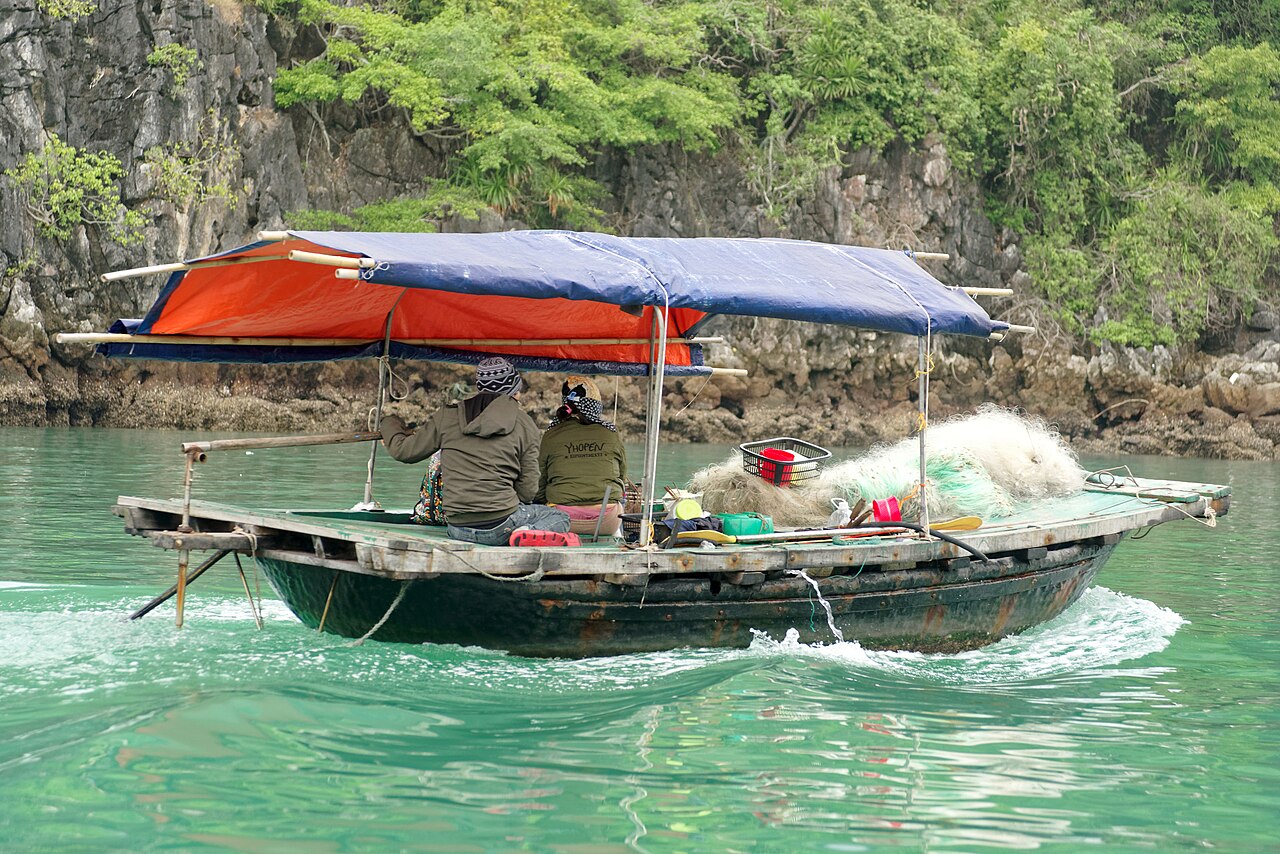
During harvesting, part of the net is carefully raised to bring the fish closer to the surface. Selected fish are then collected and transferred to a boat, sometimes in containers designed to keep them alive or fresh. The catch may be sold to traders, seafood restaurants, markets or other buyers serving Cat Ba and nearby destinations.
Floating farms have traditionally connected local aquaculture with the island’s seafood economy. They supply products while supporting families who possess generations of practical knowledge about the bay.
Aquaculture is changing
Fish farming in Lan Ha Bay is also being reshaped by environmental management. Excessive cage density, waste from feed and unsuitable floating materials can place pressure on water quality and the surrounding landscape. Local authorities have therefore been reorganizing aquaculture areas, reducing unplanned cages and encouraging more durable, environmentally responsible farming systems.
This transition matters because Lan Ha Bay is both a living environment and a protected destination. Sustainable aquaculture must balance local livelihoods with clean water, marine biodiversity and heritage conservation. Practices differ between households and continue to evolve as regulations, technology and environmental conditions change.
Visiting a fish farm respectfully
A floating fish farm is not only a tourist attraction. It is someone’s home and an active workplace. Visitors should ask permission before boarding, follow the guide’s instructions and avoid touching nets, equipment or fish without approval. Feeding the fish independently may disturb the farm’s routine or introduce unsuitable food.
A responsible visit offers something far more valuable than a quick photograph. It reveals how residents read the weather, maintain their cages, protect their stock and build a livelihood in direct relationship with the sea. Local accounts describe these floating farms as both homes and working aquaculture spaces, with fish raised beneath interconnected walkways.
To understand Lan Ha Bay, look beyond its limestone cliffs. Meet the people who work on its water, hear their stories and discover the knowledge hidden beneath every floating walkway.