
Cat Ba Beyond · Fishing Life & Local Culture
How Do Local People Prepare for Storms in Cat Ba?
When a storm approaches Cát Bà, the first visible change usually happens on the water. Tour boats stop operating, fishing vessels return to shelter, floating-farm families secure their cages, and residents begin moving equipment away from exposed areas. The sea may still look calm, but local people understand that preparation cannot wait until the wind becomes strong.
Living on an island teaches one essential lesson: property can be repaired, but a late evacuation can cost lives.
Preparation begins with the forecast
Residents follow weather forecasts, harbour announcements and instructions from local authorities. Fishermen and boat owners also exchange information about wind direction, wave conditions and safe anchorage.
This early warning period is crucial. Boats need enough time to return from fishing grounds or tourism routes, pass through harbour entrances and find suitable mooring positions before conditions deteriorate. Moving too late can expose vessels to rising waves and strong crosswinds.
When authorities suspend marine activities, fishing boats, ferries, tour vessels and small watercraft must follow the restrictions. Travellers may experience cancellations, but these decisions are made to protect passengers and crews. Cát Hải authorities describe local boat checks and evacuations before a recent storm.
Securing fishing and tourism boats
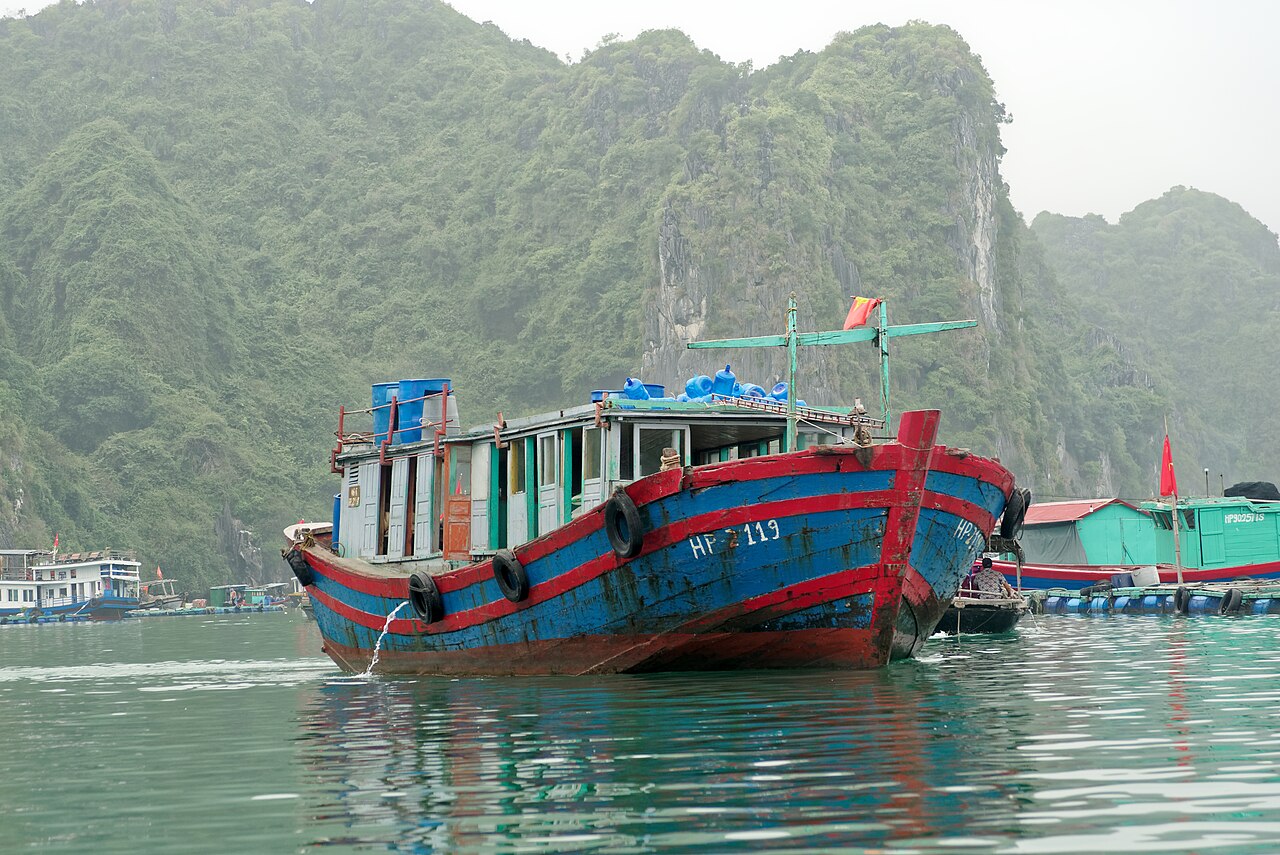
Returning to port is only the first step. A boat can still be damaged after reaching a sheltered anchorage if its ropes, position or neighbouring vessels are not managed properly.
Boat owners inspect mooring lines, anchors, engines and emergency equipment. Loose objects are removed or tied down so that they cannot become dangerous in high winds. Vessels are arranged according to instructions from harbour managers, border guards or local authorities rather than simply anchoring wherever space appears available.
Vietnam's disaster-prevention guidance warns that entering a storm anchorage does not automatically guarantee safety. Boats must arrive early, use appropriate mooring arrangements and avoid blocking navigation channels. Nobody should remain aboard a moored vessel when a storm affects it or evacuation is ordered.
Protecting floating fish farms
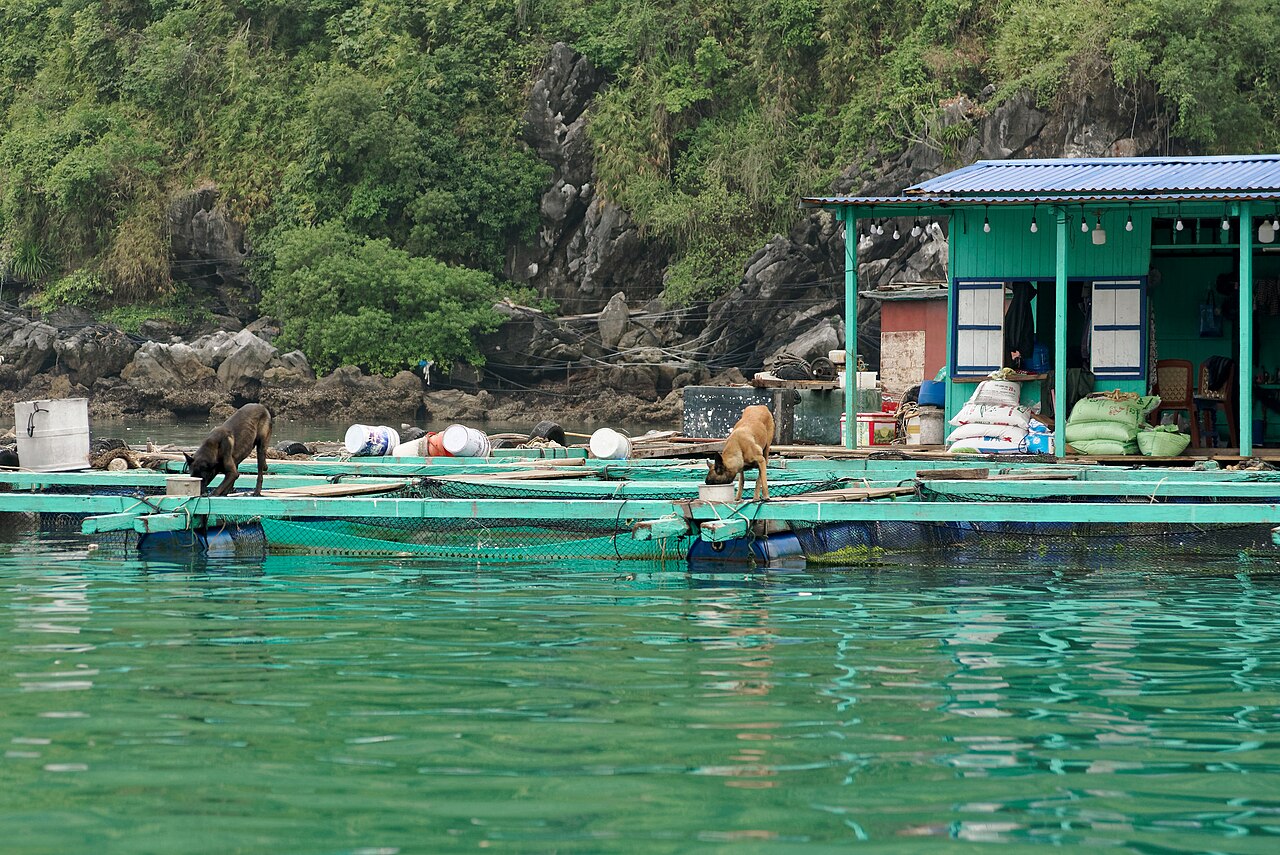
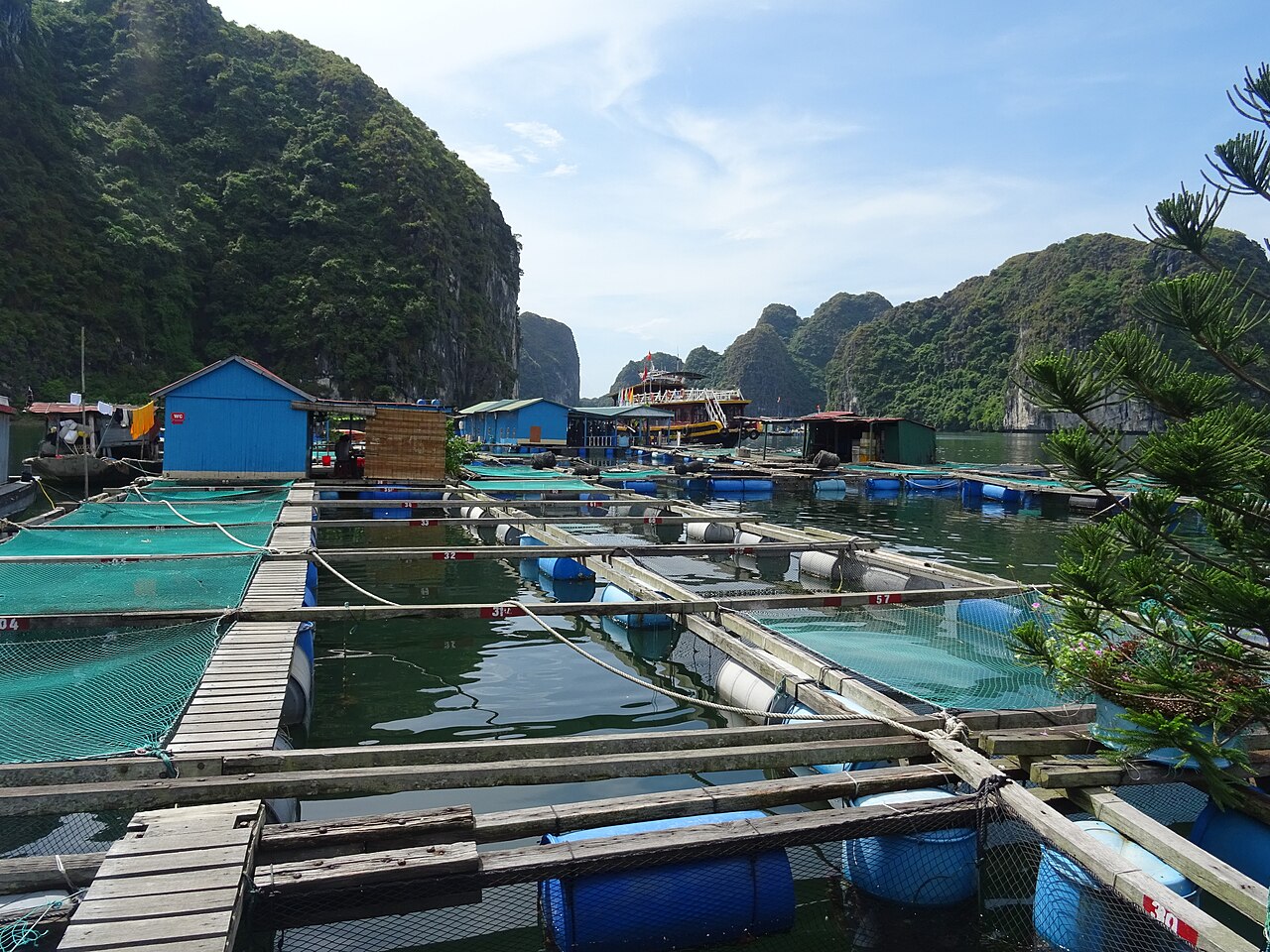
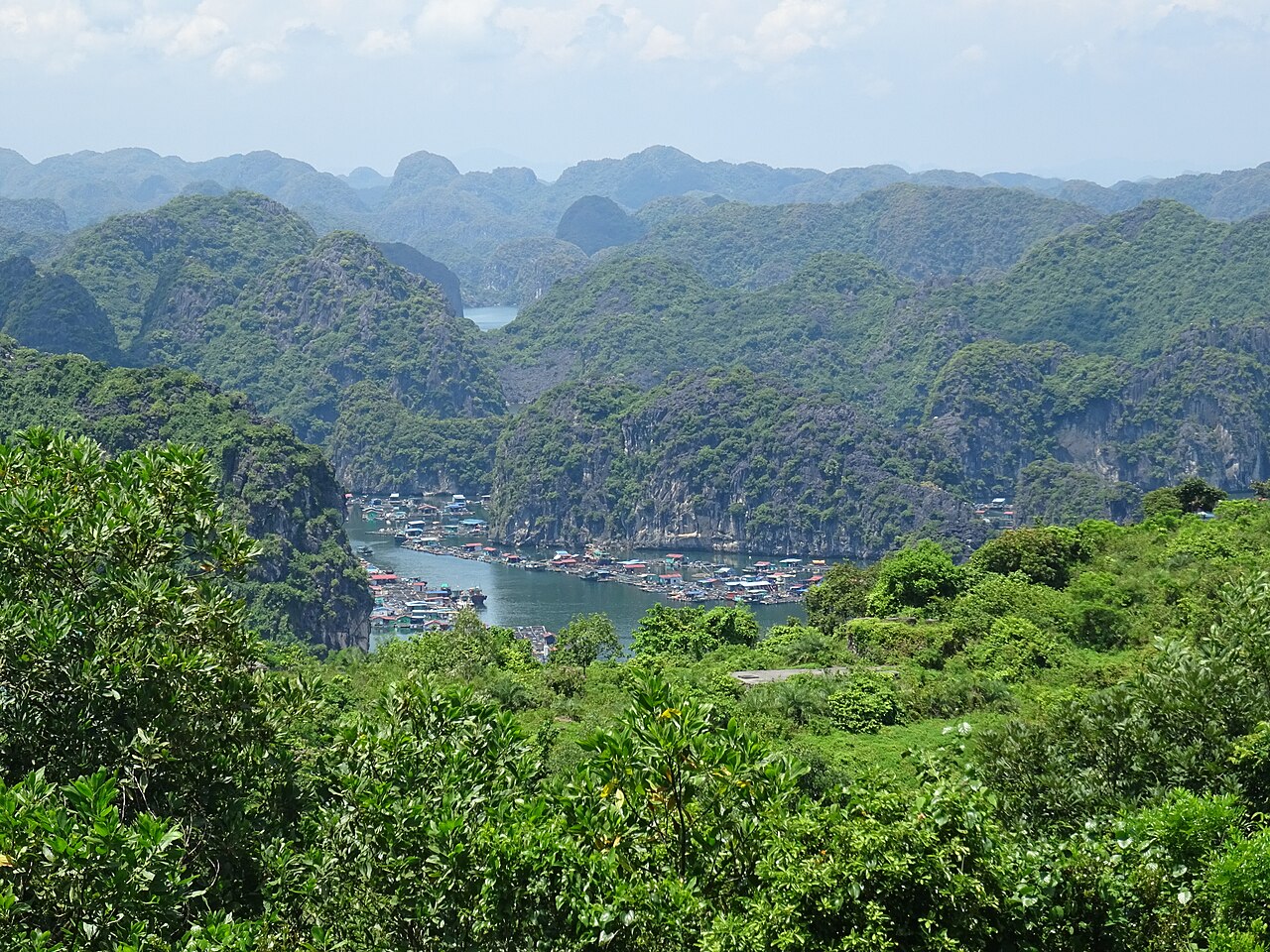
For families raising fish on Lan Ha Bay, a storm threatens both their home and their livelihood. Net cages, floating frames, wooden walkways and storage areas are all exposed to wind, waves and powerful currents.
Before conditions become dangerous, farmers may:
- Inspect and reinforce anchoring systems
- Add or tighten mooring ropes
- Repair torn or weakened nets
- Secure cage frames and floating sections
- Remove tools, fuel containers and loose equipment
- Transfer important documents and valuables ashore
- Check that fish cages are properly closed
- Follow evacuation instructions from the authorities
Farmers cannot control the storm, but they can reduce avoidable damage. A loose rope may allow cages to collide. A torn net can release months of stock. An unsecured object may damage the farm or injure someone.
Why residents must leave floating structures
Some people may feel tempted to remain on a boat or fish farm to protect their property. This is extremely dangerous. Conditions can change rapidly, and rescue operations become far more difficult once strong winds and waves arrive.
Vietnam's disaster-prevention guidance says workers should be evacuated from aquaculture cages and clam-farming areas before a storm makes landfall. People should not remain on moored boats, floating farms or watch huts during the storm.
Experienced residents know the emotional difficulty of leaving behind fish, boats and equipment. These assets may represent years of work. Nevertheless, protecting life takes priority. Once an evacuation order is issued, families move to solid buildings or designated shelters and wait until authorities declare that it is safe to return.
Preparing homes on the island
Residents living on land face different risks. Strong winds can lift roofing materials, break windows and turn unsecured outdoor objects into dangerous debris. Heavy rain may flood low areas, block roads or trigger falling rocks and landslides near steep slopes.
Before the storm, households commonly close doors and shutters, reinforce vulnerable sections of roofing and move motorbikes, furniture and equipment to safer places. Objects on balconies, pavements and rooftops are brought inside or tied down.
Drains are cleared where possible so rainwater can move away more easily. Families living in exposed, low-lying or structurally weak homes may relocate before the weather worsens.
Food, water and communication
A storm can interrupt electricity, transport, mobile signals and access to shops. Families therefore prepare enough essential supplies for the period of disruption rather than expecting normal services to continue.
A practical emergency supply may include:
- Drinking water
- Food that requires little preparation
- Essential medicines
- A first-aid kit
- Flashlights and spare batteries
- Charged phones and power banks
- Personal documents in waterproof protection
- Basic hygiene products
- Clothing and blankets
- A radio, when available
Phones are charged before the electricity fails. Important numbers are saved, and relatives are informed of evacuation plans. Families also avoid using all their battery power for entertainment because communication may become vital after the storm.
Neighbours look after one another
Storm preparation is not only an individual household task. In island communities, neighbours often share information and help families who need additional support.
Older residents, people with disabilities, young children and those living alone may require assistance with moving supplies or reaching a safe shelter. Boat owners help one another handle heavy ropes. Floating-farm families may work together to reinforce neighbouring structures before evacuating.
Local authorities, border guards, rescue teams and community representatives also check vessels, dangerous areas and evacuation progress. Their instructions may change as the storm's path develops, so residents continue monitoring official updates instead of relying only on an earlier forecast.
What happens while the storm is passing?
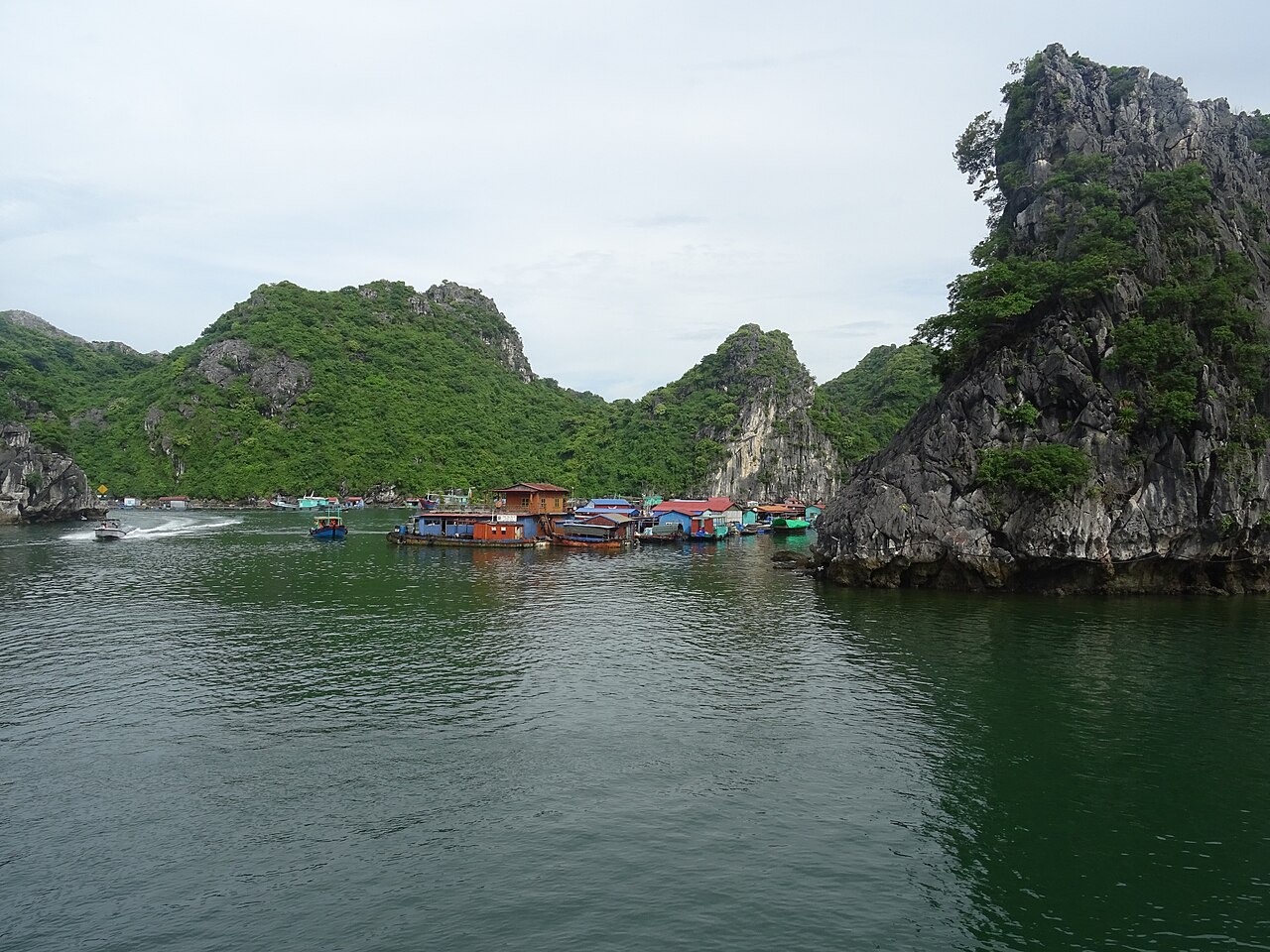
Once sheltered, residents stay indoors and away from windows. They do not go to the waterfront to watch waves, take photographs or inspect boats.
A temporary reduction in wind does not necessarily mean the danger has passed. It may be a short lull or part of the storm's changing structure. People wait for reliable information before leaving shelter.
Heavy rain can also create risks after the strongest winds have weakened. Flooded roads, falling branches, unstable slopes and damaged power cables may remain dangerous. Residents and tourists should avoid exposed coastlines, landslide-prone areas and flooded routes and follow evacuation instructions immediately.
Returning after the storm
When the storm passes, residents do not immediately resume normal activities. They first wait for official clearance and evaluate the safest way to return.
On land, people check for fallen trees, unstable walls, broken glass, damaged roofs and exposed electrical cables. Drinking water and food may need to be inspected for contamination. Floodwater is avoided because it may conceal sharp objects, open drains or electrical hazards.
At the waterfront, boat owners and farmers assess damage before boarding. Mooring lines may still be under extreme tension, walkways may be unstable, and cage frames may have shifted. Life jackets and safe working practices remain necessary even when the sky has cleared.
Rebuilding boats and farms
Recovery may take days or months, depending on the severity of the storm. Families repair homes, recover displaced equipment and remove debris. Boat crews inspect hulls, engines, propellers and electrical systems before returning to sea.
Floating-farm operators count their remaining stock, mend cages and replace damaged frames or buoyancy units. Escaped fish and destroyed equipment can create significant financial losses. Community members often help one another because specialised materials, transport and labour may be limited immediately after a major storm.
Tourism also restarts gradually. Roads, harbours, boats and attractions must be inspected before visitors can return safely. A sunny morning after a storm does not mean every route or activity is ready to operate.
What should travelers do?
Visitors should treat storm warnings seriously, even when the weather outside their hotel still appears pleasant. Conditions on the open water can deteriorate earlier and more severely than conditions in town.
Travellers should:
- Follow official announcements and hotel instructions
- Accept tour, ferry or bus cancellations
- Avoid beaches, cliffs and waterfront viewpoints
- Never board an unauthorised vessel during a marine closure
- Keep passports, money and electronics protected from water
- Charge phones and power banks
- Allow extra time for transport disruptions
- Remain flexible about accommodation and departure dates
A trustworthy operator will prioritise safety over maintaining an itinerary. No sunset cruise, kayaking route or transfer connection is worth ignoring a storm warning.
Local knowledge and official instructions work together
Cát Bà residents have accumulated valuable knowledge from generations of living beside the sea. They recognise exposed anchorages, understand local currents and know which parts of a floating structure need reinforcement first.
However, experience does not make anyone stronger than a typhoon. The safest response combines local knowledge with forecasts, marine closures, evacuation orders and professional emergency guidance.
Storm preparation in Cát Bà is therefore not one dramatic action. It is a sequence: monitor the forecast, return early, secure boats and farms, protect the home, prepare supplies, evacuate exposed areas and wait for permission before returning.
That routine may save property. More importantly, it saves lives.
If weather affects your visit, contact Cat Ba Beyond to adjust your plans safely