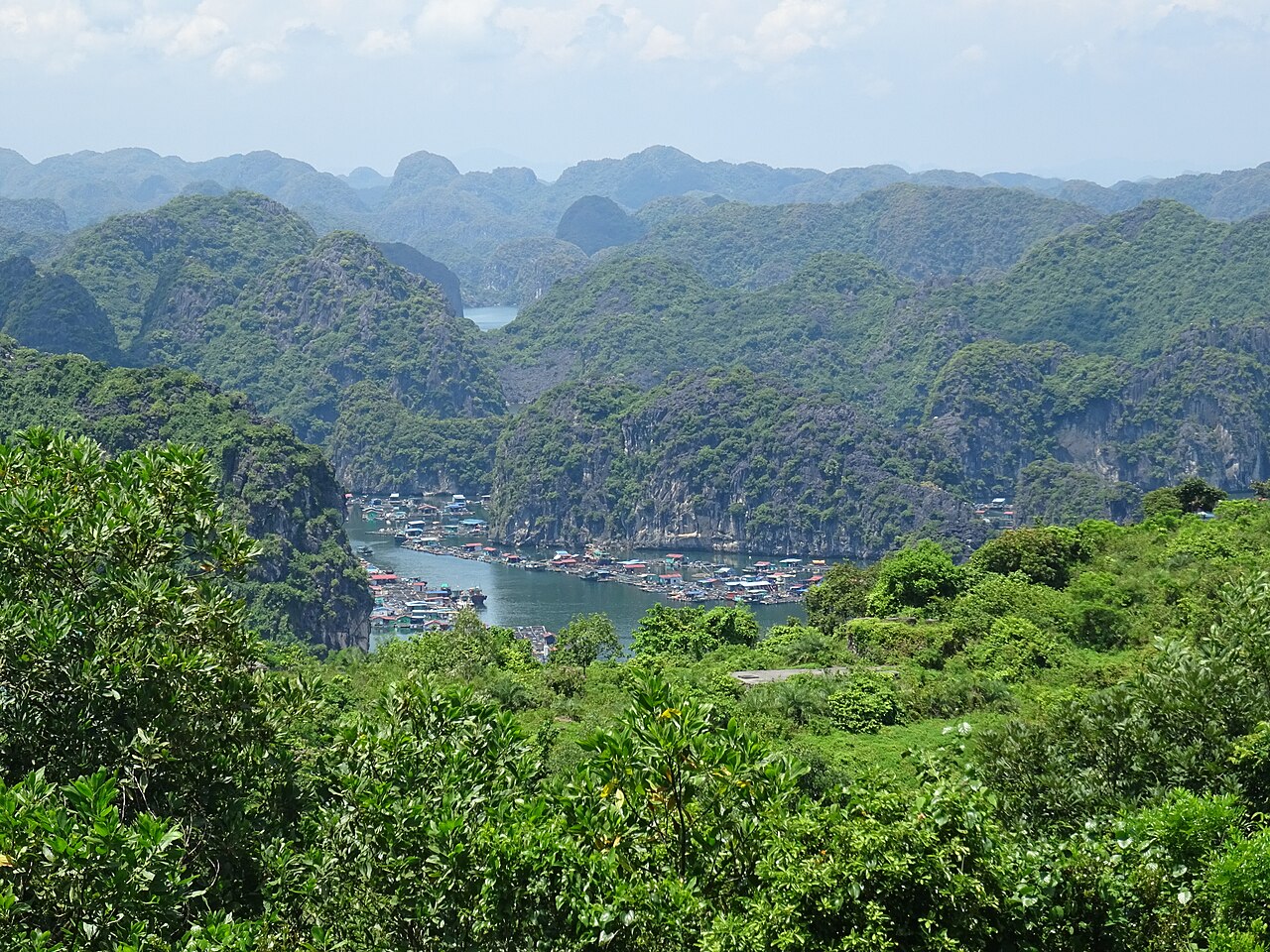
Cat Ba Beyond · Fishing Life & Local Culture
How Do Local People View Tourism Development in Cat Ba?
Ask ten Cát Bà residents what they think about tourism and you will not receive one shared answer. A hotel owner, fisherman, kayaking guide, market vendor and resident living beside a construction site experience tourism in very different ways.
Many people welcome the jobs, customers and improved connections that tourism brings. Others worry about waste, rising costs, large developments and the loss of familiar landscapes. Most opinions are not simply “for” or “against” tourism. They are closer to a practical question:
What kind of tourism will improve local life without damaging the island that makes those livelihoods possible?
Tourism created work beyond fishing
For generations, local employment depended heavily on fishing, aquaculture, agriculture and trade between the island and mainland. These livelihoods remain important, but tourism has broadened the local economy.
Residents can now find work in:
- Hotels, hostels and homestays
- Restaurants and seafood supply
- Day cruises and overnight boats
- Bus and boat transportation
- Kayaking and adventure activities
- Tour guiding and interpretation
- Equipment maintenance and construction
- Markets, cafés and retail businesses
- Environmental services and waste collection
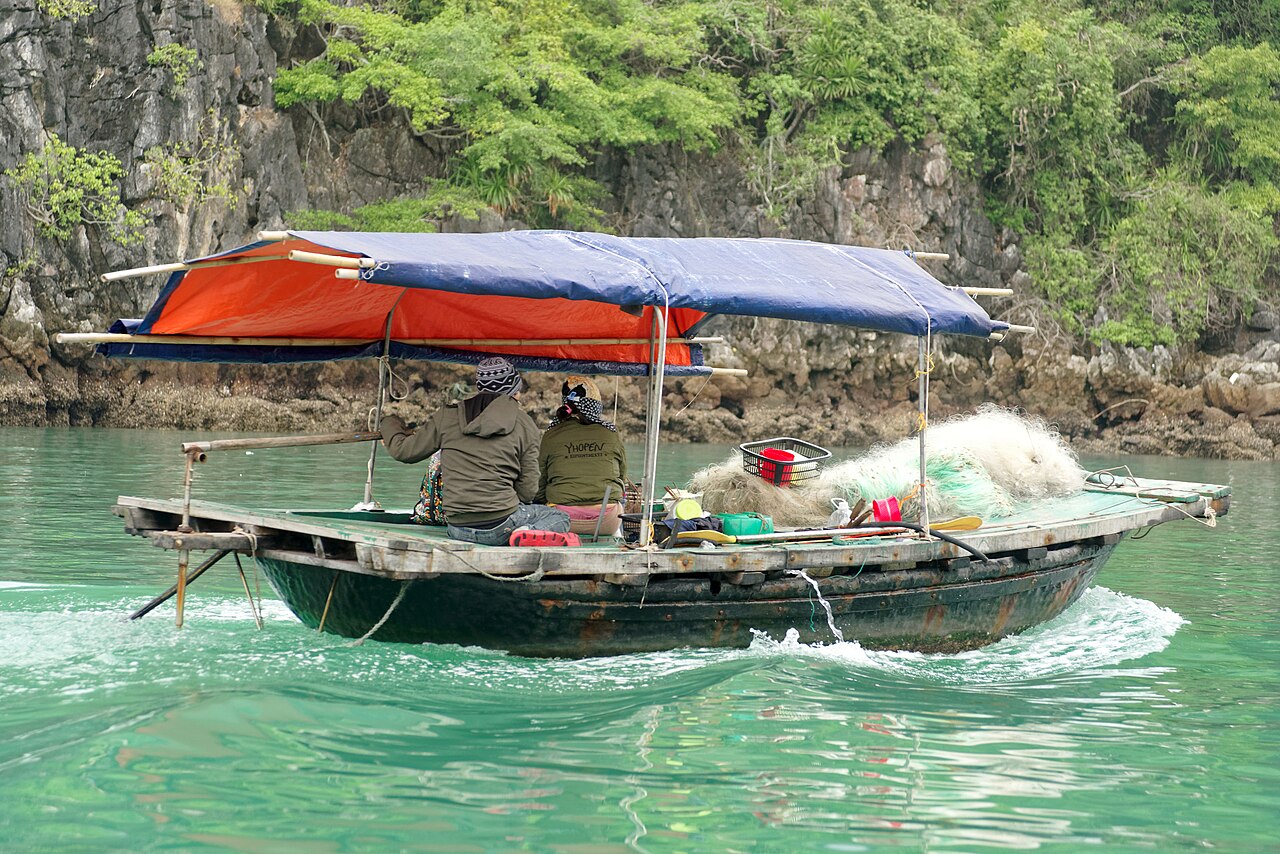
A fisherman who once depended entirely on the daily catch may now captain a tourism boat. A family may combine aquaculture with a homestay or supply seafood to restaurants. Young residents who speak English can work as guides without leaving the island to find employment elsewhere.
For these households, tourism is not an abstract development strategy. It pays school fees, supports family businesses and creates alternatives when fishing income becomes uncertain.
Better connections benefit residents too
Tourism encourages investment in roads, ports, communications and transportation. Visitors may be the target market, but residents also use these services.
Improved connections make it easier to reach Hải Phòng, transport products, access hospitals and receive supplies. Better phone and internet coverage supports local businesses, education and contact with family members.
Restaurants and accommodation businesses create demand for vegetables, seafood, repairs, laundry, transport and other services. Tourism money can therefore circulate beyond companies that deal directly with travellers.
This helps explain why many residents support tourism development in principle. They have seen how an isolated island economy can gain jobs, services and opportunities through better access.
The benefits are not distributed equally
The existence of tourism revenue does not mean every resident receives an equal share. A family owning property near the waterfront may benefit from rising land values, while a renter faces higher housing and business costs. A large company may capture revenue from accommodation or entertainment while small operators compete for a limited portion of visitor spending.
People with capital, property, language skills or strong business connections often have more opportunities. Fishing families, older residents and seasonal workers may receive fewer benefits while still experiencing congestion, noise and rising prices.
This difference shapes local attitudes. Residents who earn directly from tourism may be more supportive of expansion. Those who bear its costs without gaining stable income may be more cautious. A 2021 study of residents around Cát Bà National Park documented attitudes and participation in ecotourism, underlining why community perceptions should be examined rather than assumed.
Seasonal income remains a major problem
Cát Bà’s tourism demand changes sharply through the year. Summer weekends and holidays can bring crowded streets, full hotels and busy boats. During colder or wetter periods, visitor numbers may decline significantly.
Seasonality makes income unpredictable. A restaurant may be overwhelmed in June but struggle to cover expenses in winter. Boat crews, hotel workers and guides may work long hours for part of the year and have limited employment during quieter months.
Bad weather also affects tourism. Storms, strong winds or marine closures can cancel tours immediately. A household that has moved from fishing into tourism may discover that its new income is still controlled by the weather.
Many local people therefore want tourism that lasts beyond the peak beach season. Hiking, cultural experiences, nature education, locally guided village visits and smaller year-round activities could distribute income more consistently.
Development can change the place people call home
Tourists usually encounter Cát Bà for a few days. Residents experience every construction project, traffic change and altered view for years.
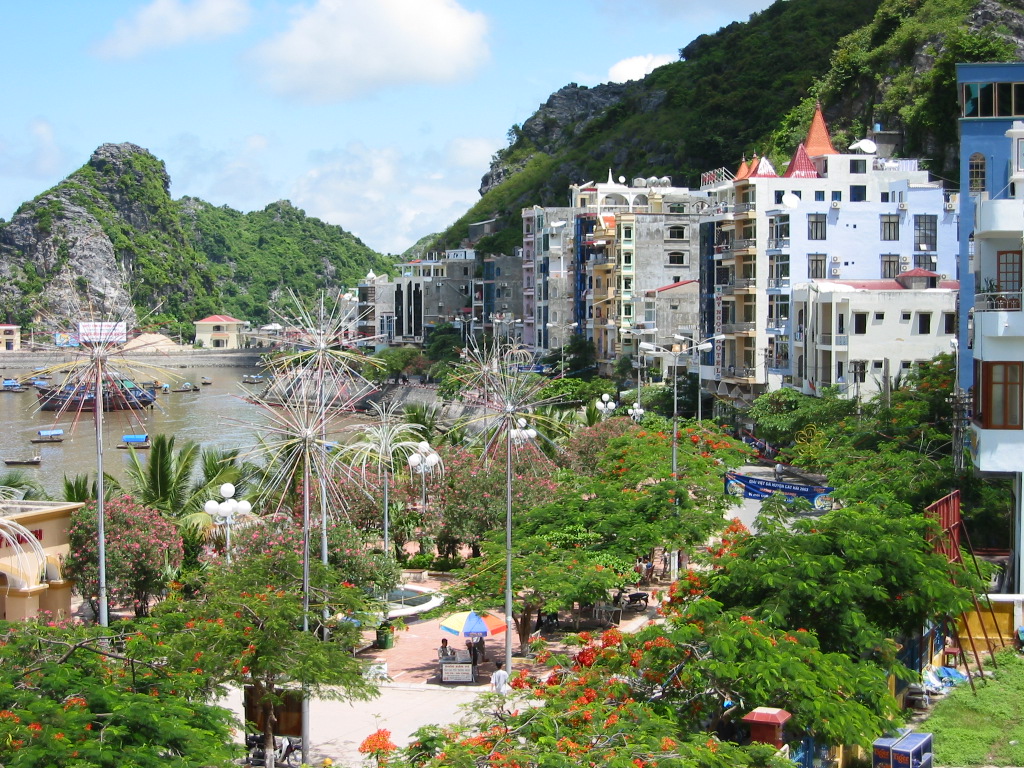
New hotels, roads and entertainment facilities may create employment and improve infrastructure. At the same time, rapid construction can bring dust, noise, heavy vehicles and disruption. Large projects may change the coastline or replace familiar public spaces with commercial areas.
Residents can therefore support economic development while disliking the form it takes. Wanting better roads does not necessarily mean wanting uncontrolled construction. Welcoming visitors does not mean accepting the loss of every quiet beach or neighbourhood.
The most important distinction is often not between development and no development. It is between development designed with local needs in mind and development imposed without meaningful community participation.
Waste and water create visible concerns
Tourism concentrates large numbers of people in a relatively small island environment. Every visitor uses water, produces rubbish and adds pressure to transport and sanitation systems.
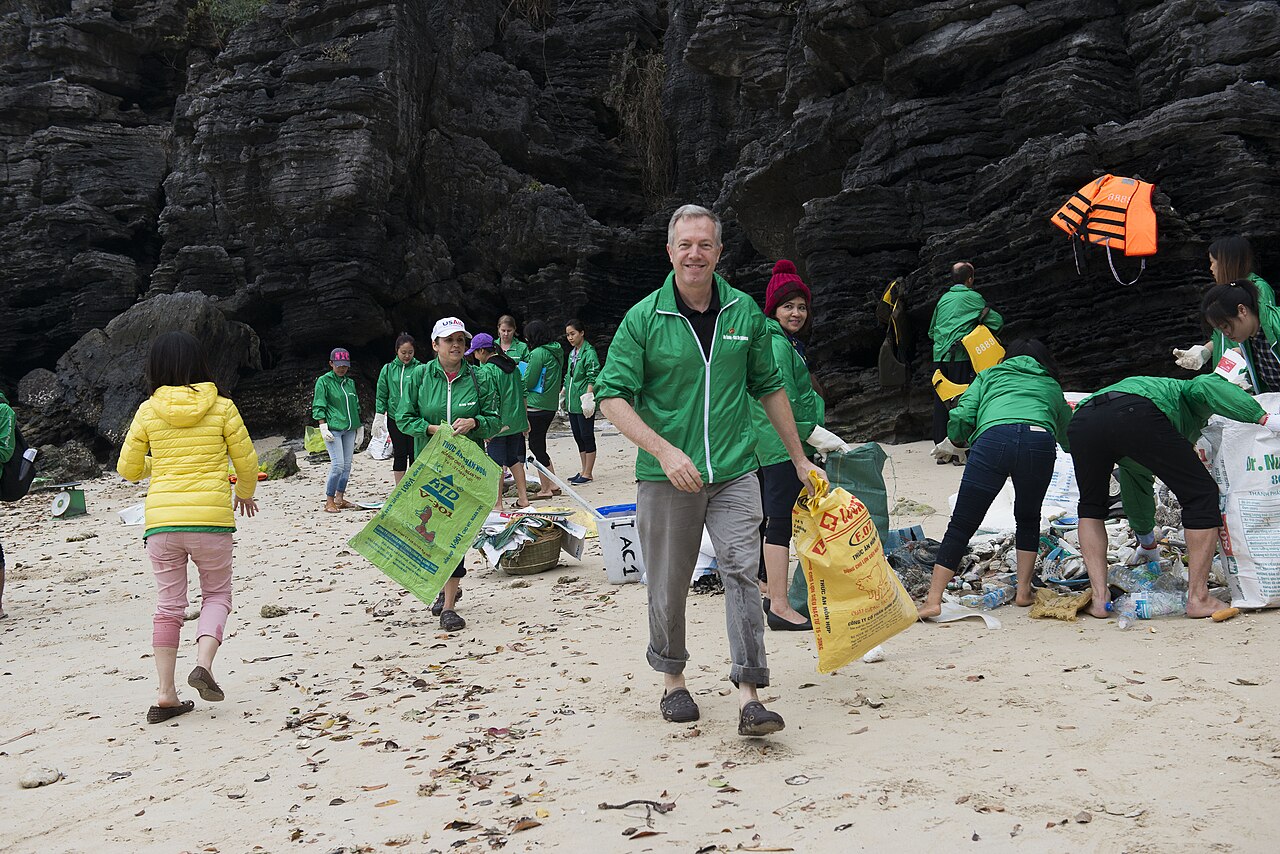
During busy periods, waste infrastructure may struggle to keep pace. Plastic packaging, food waste and litter can move from streets and boats into the sea. Hotels and restaurants require significant quantities of freshwater, while wastewater needs effective treatment.
A study of tourism in Việt Hải identifies environmental pressure associated with rising visitor numbers and calls for stronger waste treatment and community-based management.
Residents understand that polluted water harms more than the visitor experience. It affects fisheries, aquaculture, beaches and community health. If tourism damages the environment on which local income depends, short-term growth can undermine long-term prosperity.
Fishing families see both opportunity and disruption
Tourism can provide fishermen with additional work as captains, guides and seafood suppliers. Their knowledge of currents, weather, caves and anchorages is valuable to boat operators.
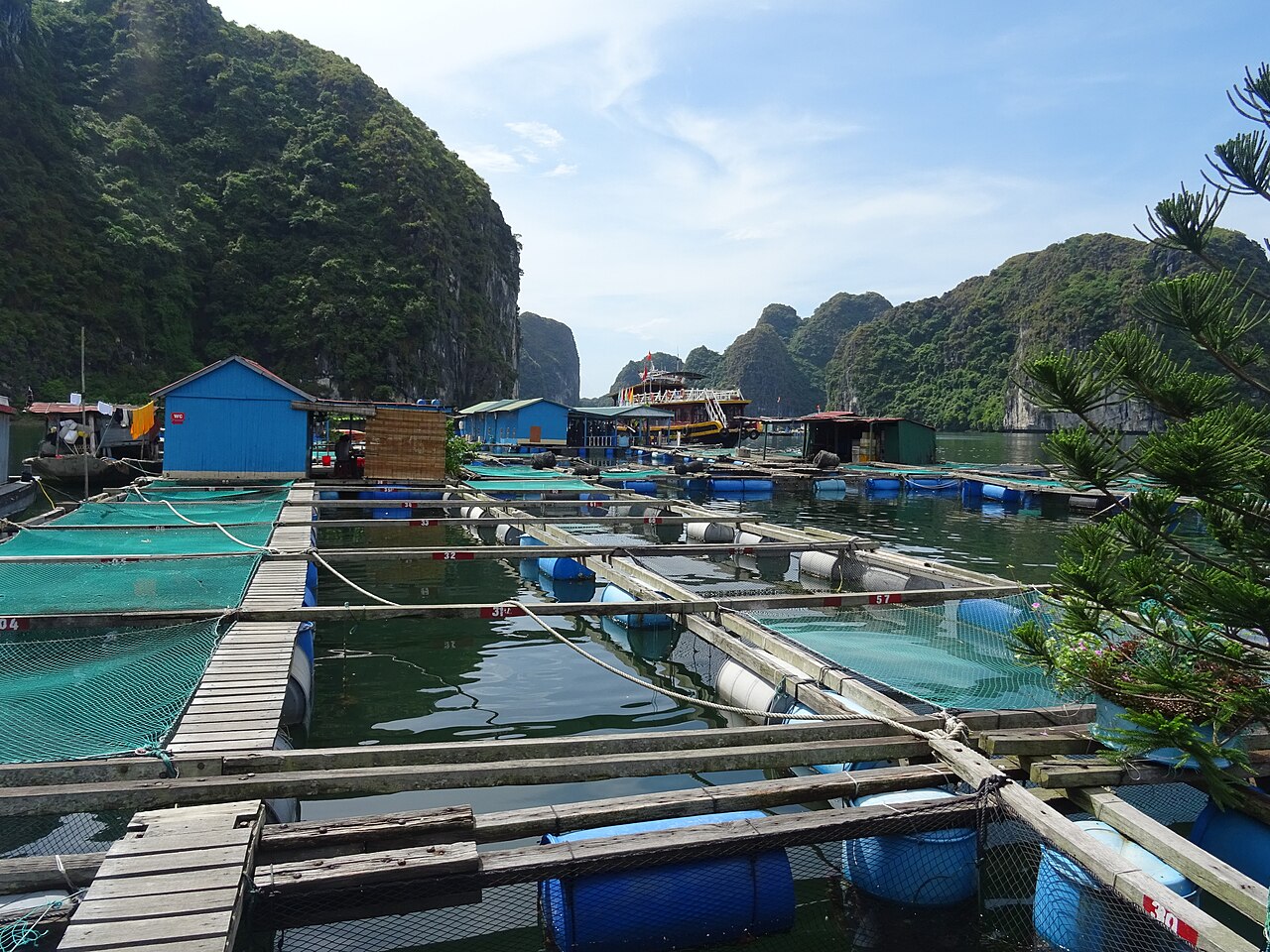
However, tourism vessels also share waterways with fishing boats and floating farms. Waves from passing boats can disturb small craft. Busy routes may affect where nets or cages can be maintained. Aquaculture facilities may be relocated to protect landscapes or reorganise marine space for conservation and tourism.
From a fishing family’s perspective, tourism can be both a customer and a competitor. Restaurants purchase seafood, but marine development may also limit traditional working areas. Responsible planning must recognise that Lan Ha Bay is not an empty landscape created for sightseeing. It is a workplace with existing communities, routes and livelihoods.
Residents value nature for practical reasons
Visitors may protect Cát Bà because they admire its limestone cliffs and wildlife. Residents have additional reasons: clean water supports fish farming, healthy forests protect biodiversity, and an attractive landscape keeps visitors returning.
Environmental protection and economic interests are therefore not always opponents. Local businesses understand that polluted beaches, damaged coral areas and overcrowded attractions weaken Cát Bà’s reputation.
Research on community tourism in Việt Hải describes its potential to support socioeconomic development and reduce seasonality. Yet “eco-tourism” must mean more than a label: it needs waste treatment, visitor limits where necessary, responsible boats, trained guides and income reaching the host community.
Local culture can become a product
Tourism creates demand for fishing-village visits, local meals and stories about island life. This can provide income and encourage cultural preservation. But it also creates a risk: residents may be treated as part of the scenery. A floating home becomes a photo stop. Daily work is interrupted for staged demonstrations. Complicated changes in aquaculture and relocation are reduced to a romantic story about “timeless fishermen.”
Many local people are willing to share their culture, but respectful tourism should happen with consent and fair benefit. Visitors should ask before boarding a floating structure or photographing residents at close range. Guides should explain how people actually live rather than repeating attractive myths. Cultural tourism is strongest when local people control how their stories are presented.
Young residents may see tourism differently
Older residents may remember a quieter island centred on fishing and small-scale trade. Younger people have grown up with smartphones, foreign visitors, online booking platforms and new career possibilities.
For some young residents, tourism offers a reason to remain in Cát Bà. Language skills, hospitality training and digital marketing allow them to build businesses connected to their home.
Others may view tourism work as seasonal, low-paid or offering limited advancement. They may choose education and careers in Hải Phòng, Hà Nội or elsewhere. Keeping younger generations involved requires professional training, stable employment and opportunities for local entrepreneurs to compete—not merely more visitors.
What kind of tourism do residents need?
The most useful tourism development is not necessarily the largest. For local communities, quality may matter more than raw visitor volume. A healthier model would prioritise:
- Stable employment across more months of the year
- Local ownership and small-business participation
- Professional training for guides and hospitality workers
- Effective waste and wastewater treatment
- Protection of beaches, forests and marine habitats
- Cleaner and safer tourism vessels
- Fair consultation before major developments
- Respect for fishing and aquaculture livelihoods
- Clear environmental limits
- Cultural experiences led by local people
This model treats residents as decision-makers and business partners, not simply as labour for an industry controlled elsewhere.
Visitors influence the outcome
Travellers may not participate in planning decisions, but their spending choices shape the market. A visitor who chooses a locally guided tour, eats at an independent restaurant and stays in locally operated accommodation helps tourism revenue circulate within the community. A traveller who follows environmental rules and avoids intrusive village visits reduces some of tourism’s social cost.
Visitors can contribute by:
- Booking with responsible local operators
- Avoiding unnecessary single-use plastic
- Carrying rubbish back from remote areas
- Respecting marine closures and conservation rules
- Asking permission before photographing people
- Buying local products at transparent prices
- Visiting outside peak periods when possible
- Choosing meaningful experiences instead of rushed checklists
No single booking can solve the island’s development challenges. Collectively, however, visitor behaviour influences which businesses succeed.
Tourism is welcomed—but not at any cost
Local people understand that tourism is now a central part of Cát Bà’s economy. It creates jobs, improves connections and gives families alternatives to resource-intensive livelihoods. At the same time, residents live permanently with the consequences of rapid growth. They notice when roads become crowded, prices rise, rubbish reaches the water or construction changes a familiar coastline.
Their position is often conditional rather than contradictory: tourism is valuable when it improves local life and protects the island; it becomes a burden when communities carry the costs while benefits flow elsewhere.
Cát Bà does not need to choose between remaining isolated and accepting unlimited development. Its stronger path is tourism rooted in local ownership, environmental limits and honest community participation.