
Cat Ba Beyond · Fishing Life & Local Culture
How Has Life on Lan Ha Bay Changed Over the Past 20 Years?
Twenty years ago, the first sounds of morning on Lan Ha Bay were likely to be a small boat engine, water striking a wooden platform and fish splashing inside a net cage. The bay was already connected to Cát Bà’s tourism economy, but life on the water still revolved primarily around fishing, aquaculture and the practical needs of floating households.
Today, the same limestone islands surround a very different working landscape. Mobile phones deliver storm warnings, solar panels power some floating homes, tourism boats pass fish farms, and environmental rules determine where aquaculture facilities may operate.
Life has become more connected and, in some ways, more comfortable. It has also become more regulated, commercial and vulnerable to the pressures created by tourism and development.
Twenty years ago: life depended directly on the water
For many families, the bay was simultaneously their home, workplace and transport network. Fishing boats collected wild seafood, while floating farms raised species such as cobia, grouper and sea bass in net cages suspended beneath wooden walkways.
Almost everything required a journey by boat. Families travelled ashore to buy food, fuel, medicine, freshwater and household supplies. Children living on floating farms were taken by family boat toward the shore before continuing to school. Traders arrived to purchase fish, while repair materials had to be transported back to the farm.
Daily decisions depended on the tide, wind and condition of the sea. A damaged engine could interrupt access to town. A storm could threaten a family’s home and entire aquaculture stock at the same time.
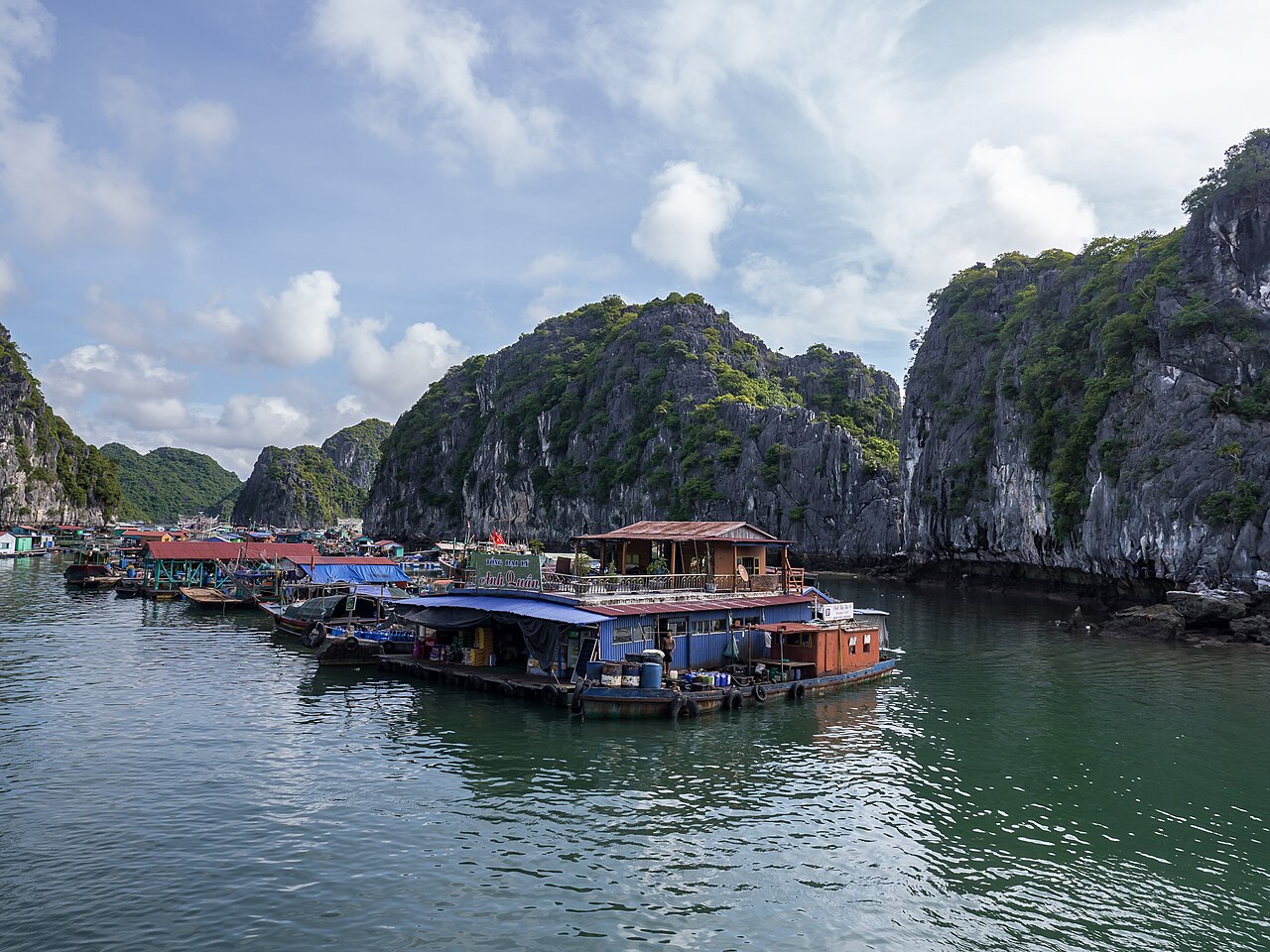
Floating homes have gained modern equipment
Traditional floating structures were often built with timber, bamboo and buoyant materials assembled by local families. Their living spaces were practical rather than spacious, with much of the platform reserved for fish cages, nets, tools and boat access.
Over time, some households introduced stronger construction materials, improved engines, storage batteries and solar panels. A 2022 Japan–Vietnam project report described Lan Ha Bay floating households using solar panels and batteries, showing that off-grid energy had become part of modern life on the water.
Electricity allows families to charge phones, power lights and operate small appliances without depending entirely on generators. These improvements do not remove the difficulties of living offshore, but they reduce some of the isolation that earlier generations experienced.
Mobile phones changed communication
A mobile phone may appear ordinary, but it has transformed daily life on the bay. Farmers can now contact seafood buyers, check weather forecasts, arrange deliveries and call relatives without travelling ashore.
Storm preparation has also changed. Official alerts and harbour instructions can reach boat owners more quickly. Families still rely on their knowledge of clouds, wind and currents, but forecasts provide additional time to reinforce cages, secure boats and evacuate when necessary.
Digital communication has also connected floating households with tourism businesses. A family may receive advance notice that a guide is bringing visitors, arrange a seafood order or request fuel and freshwater from a supplier.
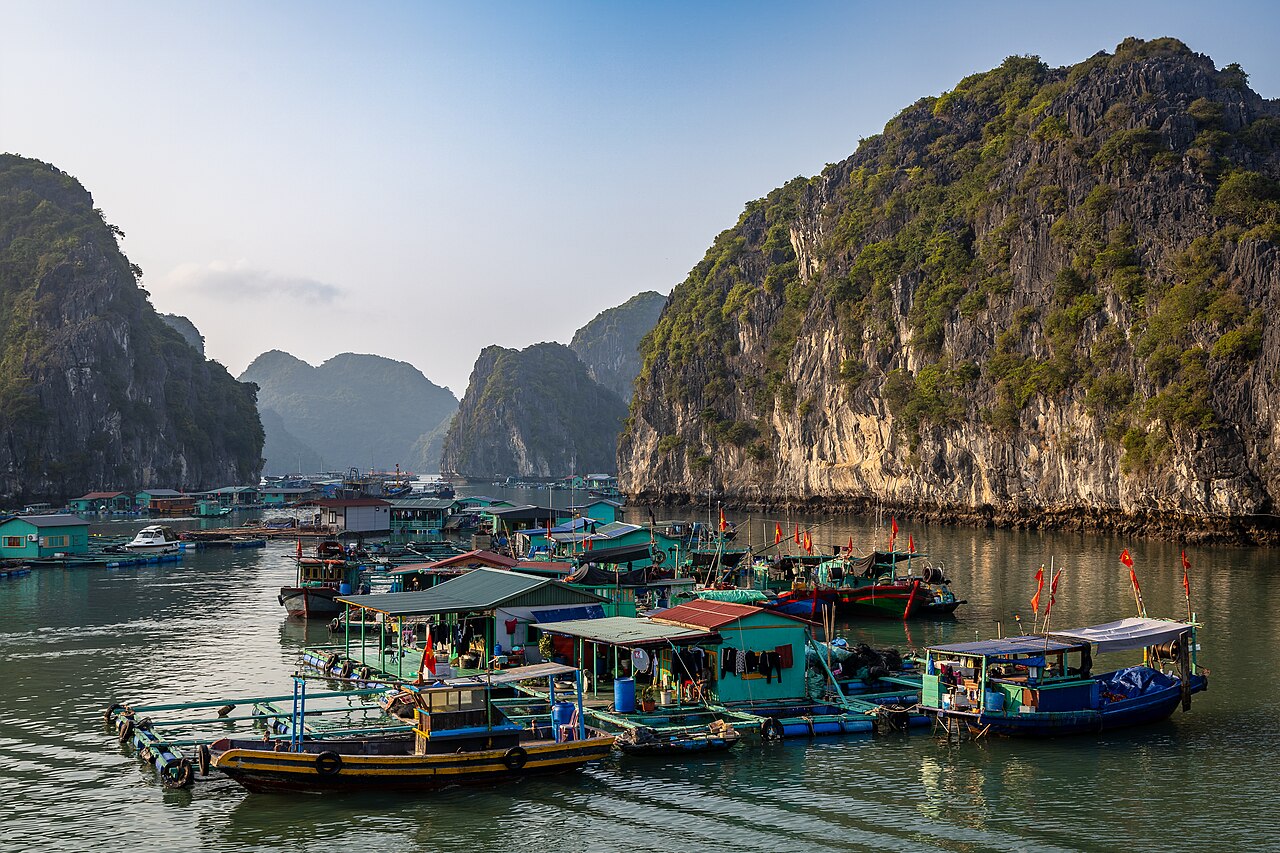
Fishing is no longer the only source of income
Twenty years ago, fishing and aquaculture played an even more dominant role in the bay’s household economy. Those occupations remain important, but tourism has created additional work.
Local people may now earn income as:
- Boat captains and crew members
- Kayaking guides
- Cruise cooks and hospitality workers
- Transport-boat operators
- Floating-homestay hosts
- Seafood suppliers for tourism businesses
- Mechanics and boat-repair workers
- Local guides and environmental workers
Some families combine several activities. They may raise fish while welcoming visitors, supply seafood to restaurants or use their boat for transport. Tourism can diversify household income, especially when fishing conditions or seafood prices are unfavourable.
However, this change also creates dependency. If storms, economic disruption or travel restrictions reduce visitor numbers, families working in tourism may suddenly lose a major part of their income.
Visitors changed the rhythm of the bay
The number and variety of tourism activities have grown. Day cruises, overnight boats, kayaking excursions, swimming trips and visits to floating farms bring travellers into areas that once functioned mainly as residential and working spaces.
Tourism has created opportunities, but it has also changed how residents use the water. Families must share channels and anchorages with larger vessels. Noise and waves from passing boats can disturb smaller craft and floating structures. Popular kayaking areas may become busy at certain times of day.
Some visitors view a fish farm as a picturesque attraction, while residents see cages that require constant feeding, cleaning and repair. Responsible tourism should recognise that these structures are not stage sets. They are homes and businesses.
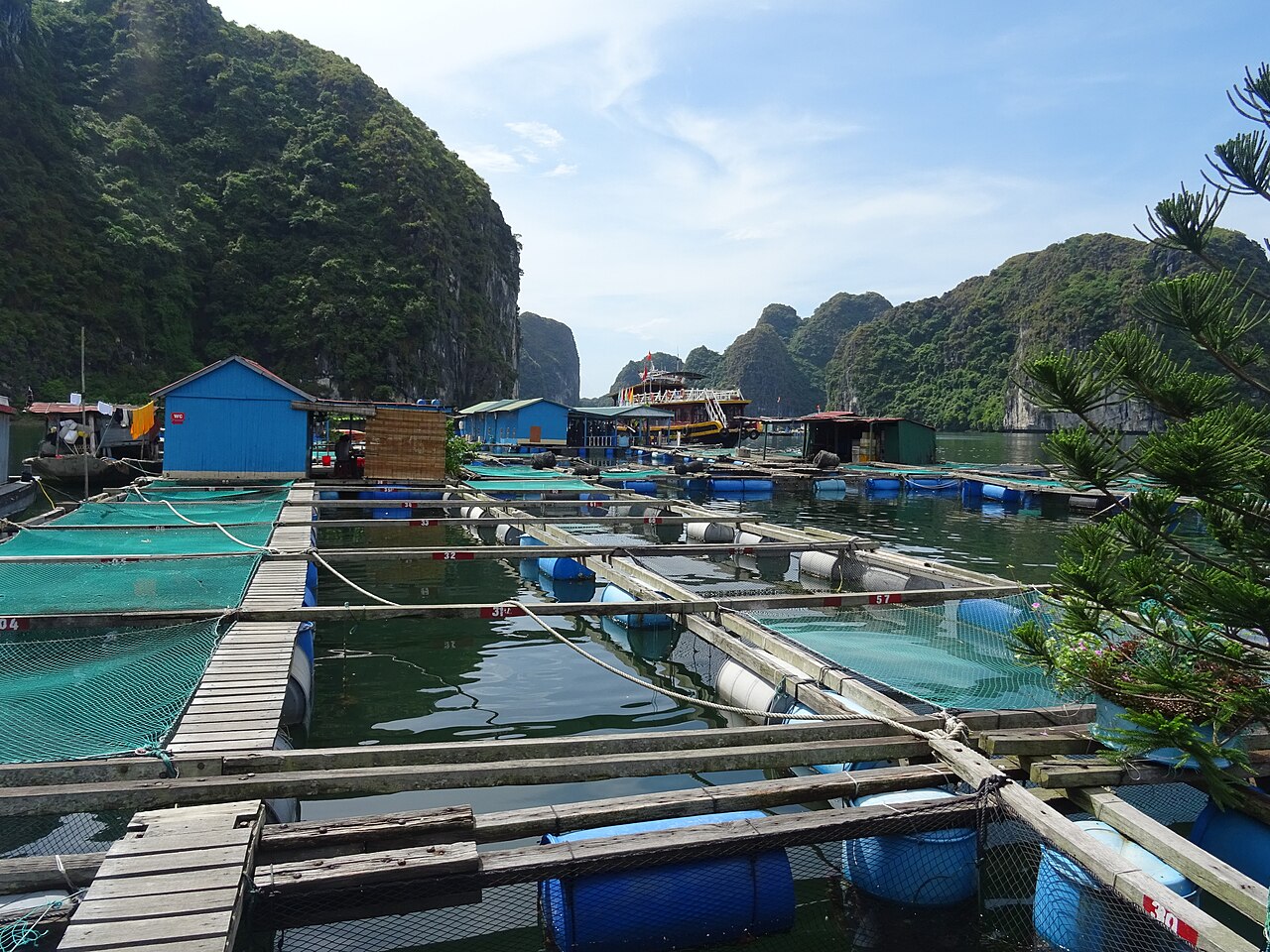
Aquaculture expanded—and created environmental pressure
The growth of cage aquaculture provided income and seafood, but unplanned expansion also created problems. Too many cages in confined areas could obstruct water space, affect the landscape and increase waste from uneaten feed and daily activities.
Older floating systems also used materials that could deteriorate and become marine debris. Combined with growing boat traffic and tourism, this placed pressure on water quality and the appearance of the bay.
Management has therefore shifted toward designated farming zones, fewer unplanned facilities and more durable, environmentally appropriate cage materials. Hải Phòng’s published plans include relocating aquaculture facilities and identifying marine areas for future farming.
Recent planning aims to connect aquaculture with environmental monitoring, improved technology and responsible tourism rather than allowing cages to spread without coordination.
Some families have moved closer to life on land
The boundary between life on the bay and life ashore has become less absolute. Some families maintain aquaculture facilities but keep their main home on Cát Bà. Others commute by boat instead of having every family member live full-time on the farm.
Living ashore can make education, healthcare and public services easier to access. Children no longer need to spend as much of their daily routine travelling from a floating home, while older residents may find land-based life safer and more convenient.
Yet relocation can also alter the social fabric of a floating community. When fewer families live permanently on the water, knowledge once passed naturally from parents to children may become harder to preserve. The bay remains a workplace, but it may no longer be home in the same way for every household.
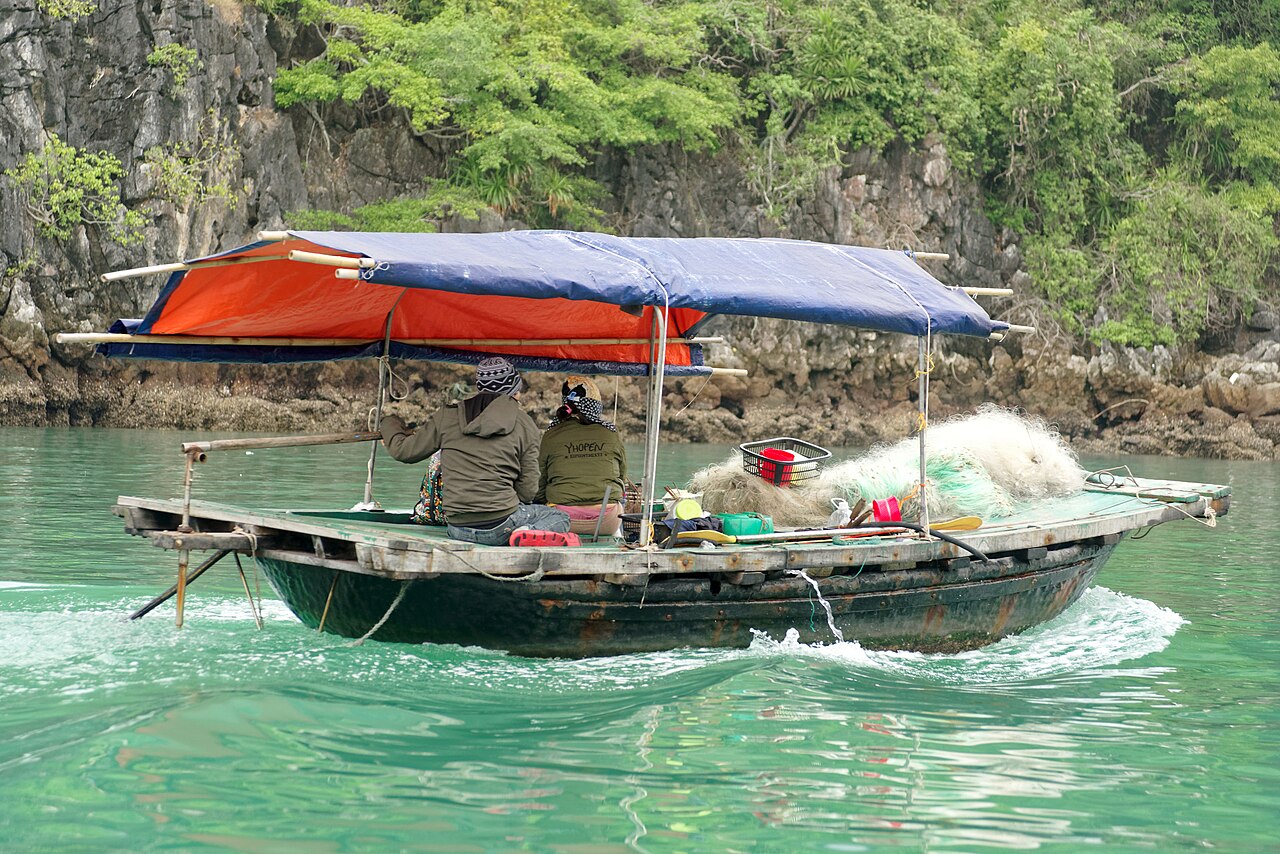
Regulation now shapes the working bay
Compared with twenty years ago, aquaculture, tourism and residence are increasingly shaped by zoning, environmental requirements and heritage management. This does not mean that floating structures were previously free of all rules.
Authorities have removed or relocated unplanned facilities, restored parts of the landscape and proposed concentrated aquaculture areas. These changes are intended to improve water circulation, reduce pollution and protect the bay’s natural appearance.
For residents, however, regulation can bring difficult adjustments. Moving cages costs money. New materials require investment. A farming area used for years may no longer fall within an approved zone.
The challenge is to protect the bay without treating local livelihoods as separate from its heritage. Fishing knowledge, boatbuilding skills, floating architecture and seafood culture are all part of Lan Ha Bay’s identity.
World Heritage recognition brought a new responsibility
The Cát Bà Archipelago became a UNESCO Biosphere Reserve in 2004. In 2023 it was added to the expanded Ha Long Bay–Cat Ba Archipelago World Heritage property.
This recognition increased Lan Ha Bay’s international profile. It can support conservation, research and responsible tourism, but it also raises expectations. Water quality, waste management, construction, vessel traffic and visitor behaviour now attract greater attention.
The title does not freeze the bay in time. People still need to work, travel, raise families and earn an income. The real task is to manage change without destroying the ecological and cultural qualities that made recognition possible.
Climate and storms remain powerful forces
Technology has improved forecasts and communication, but local people remain exposed to strong winds, waves and tropical storms. A floating cage can still be damaged in a few hours. Boats must return to shelter, equipment must be secured, and residents must leave the water when evacuation is required.
Weather uncertainty adds pressure to households already adapting to new regulations and economic changes. Stronger infrastructure helps, but it cannot eliminate risk. Knowledge of the sea remains essential even in an age of smartphones and modern engines.
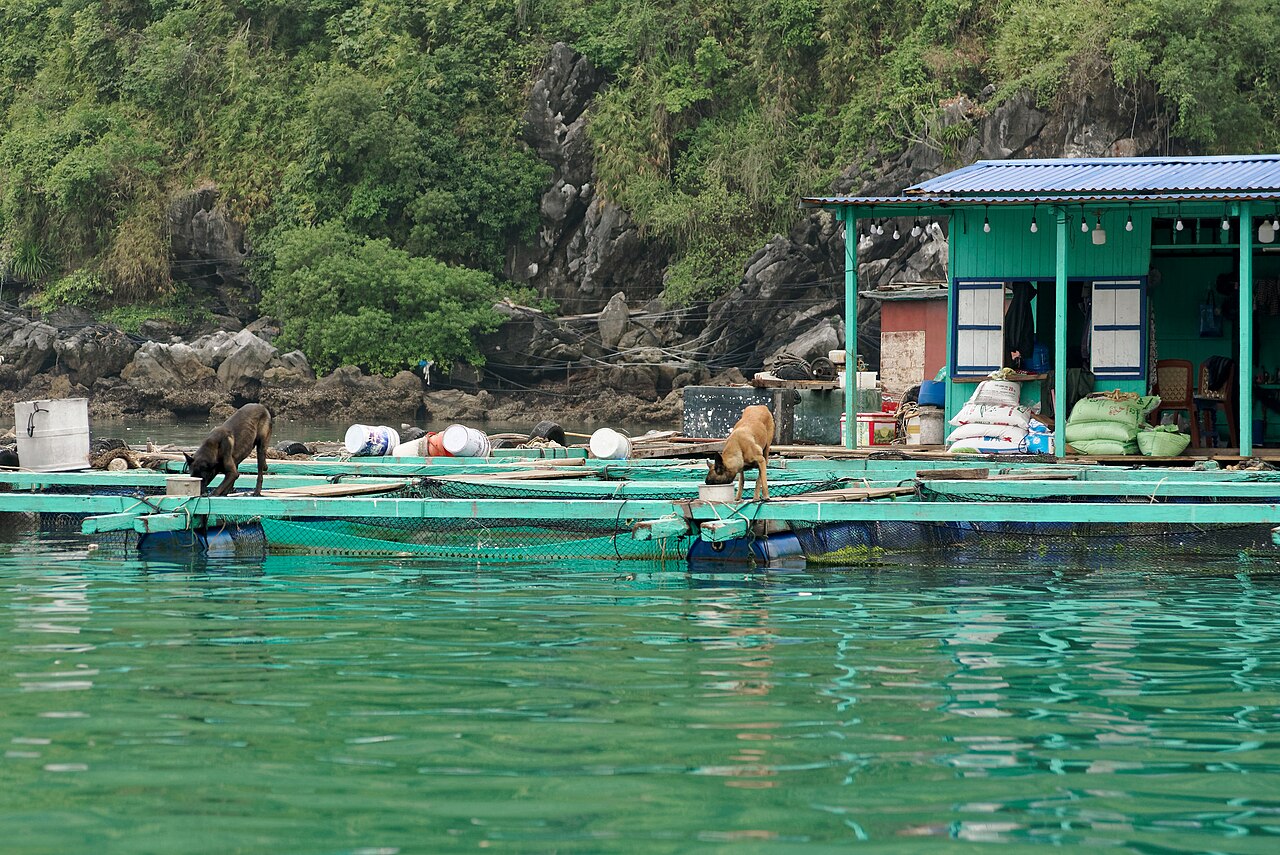
What has been gained—and what could be lost?
Over two decades, life on Lan Ha Bay has gained faster communication, better access to information, new energy sources and broader employment opportunities. Tourism has connected local families with visitors from around the world. Environmental planning has begun addressing the damage caused by poorly controlled growth.
At the same time, the bay risks losing something less visible: the continuity of a community whose daily life once unfolded almost entirely on the water.
The future should not require choosing between people and nature. A healthy bay supports fishing, aquaculture and tourism. Local knowledge improves conservation. Responsible visitors create income without turning homes into performances. Modern services can improve living conditions without erasing maritime identity.
Lan Ha Bay has changed from an isolated working environment into a globally recognised destination. The limestone landscape remains, but the human relationship with it is being rewritten.
To understand that change, visitors need to look beyond the scenery. Every floating platform, relocated cage and passing tourism boat tells part of a larger story: how a community adapts while trying to remain connected to the sea that shaped it.