
Cat Ba Beyond · Fishing Life & Local Culture
How Has Tourism Changed Life for Cat Ba Residents?
A generation ago, a young person growing up in Cát Bà was far more likely to imagine a future connected to fishing, aquaculture, farming or small local trade. Today, that same person might become a boat captain, hotel manager, chef, kayaking guide, photographer or online travel consultant.
Tourism has not simply added more visitors to the island. It has changed how residents earn money, use land, learn new skills, organise their year and think about the future. It has created opportunities that previous generations did not have, but it has also introduced seasonal employment, rising costs, construction pressure and environmental problems.
The change is neither wholly positive nor wholly negative. Its impact depends greatly on who benefits, where they live and how development is managed.
From fishing economy to service economy
Fishing and aquaculture remain important parts of Cát Bà’s identity, but they are no longer the only visible routes to earning a living.
Tourism has created employment in:
- Hotels, hostels and homestays
- Restaurants, cafés and seafood businesses
- Day cruises and overnight boats
- Bus, taxi and marine transportation
- Kayaking, climbing and adventure activities
- Tour guiding and translation
- Boat, engine and equipment maintenance
- Retail, markets and souvenir shops
- Construction and property services
- Online booking and travel marketing
A fisherman may now spend part of the year operating a tourism boat. A family raising seafood may sell its products directly to restaurants. A household with an extra room may enter the accommodation business.
These new income sources can reduce dependence on fishing conditions and seafood prices. They also allow residents to earn from their knowledge of the bay rather than only from extracting resources from it.
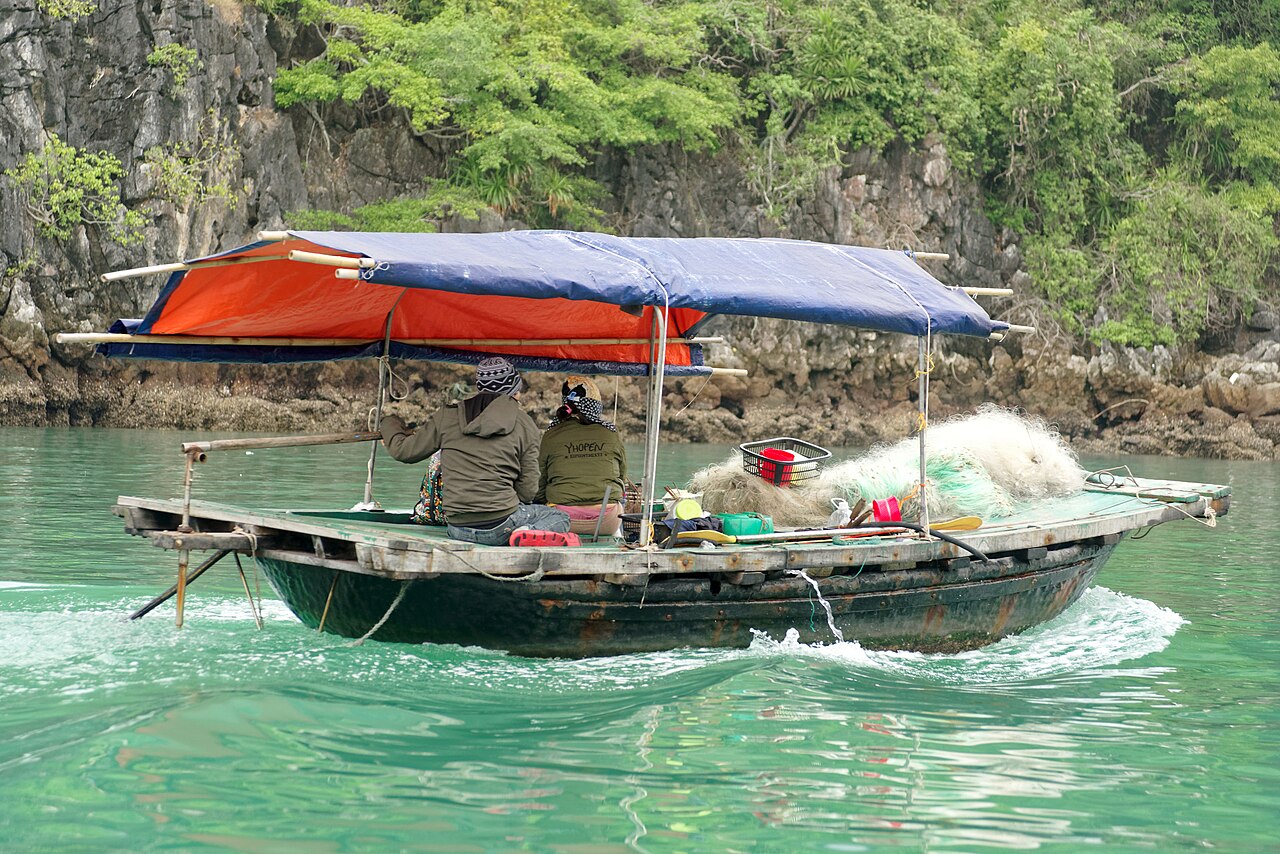
Maritime knowledge found new economic value
Long before tourism became important, Cát Bà residents already understood local currents, tides, caves, anchorages and seasonal weather. These skills developed through fishing and daily travel between islands.
Tourism gave that knowledge a new use. Former fishermen and people from maritime families can work as captains, crew members and guides. They know where the water becomes shallow, which route is sheltered from the wind and when the tide may prevent access to a lagoon.
A visitor may see a guide steering through a limestone channel as a routine part of a tour. For the guide, that ability may represent knowledge learned across many years from parents, relatives and personal experience.
When local people lead tours, tourism can help preserve this knowledge. When companies treat them only as low-paid labour, the cultural value of their expertise is easily overlooked.
Tourism changed opportunities for younger residents
Younger generations have more reasons to learn English, hospitality, digital marketing and customer service. Some can build careers on the island instead of moving permanently to Hải Phòng or Hà Nội.
Online platforms allow small hotels, guides and transport providers to reach international customers directly. Social media gives local businesses inexpensive ways to show their services. Language skills can transform someone’s access to employment.
Tourism can also encourage professional ambition. A seasonal boat assistant may become a certified guide. A family restaurant may develop into a recognised local business. A resident familiar with climbing or kayaking may build a specialist outdoor career.
However, not every tourism job offers stability. Some positions are temporary, physically demanding or poorly paid. Training, fair wages and paths to advancement determine whether tourism provides a career or merely short-term work.
Women gained more visible business opportunities
Fishing at sea has traditionally been associated strongly with men, although women have always contributed through seafood selling, processing, household management and financial work.
Tourism expanded opportunities in accommodation, restaurants, retail, administration and online customer service. Women can operate homestays, manage bookings, run cafés, sell local products and lead family businesses.
This does not mean that tourism automatically creates equality. Women may still perform a large amount of unpaid domestic work while managing guests or helping with a business. Nevertheless, the service economy has made their economic contribution more visible and provided additional ways to earn independent income.
Local products gained new customers
Tourism affects people who never work directly with travellers. Hotels and restaurants purchase seafood, vegetables, drinks, furniture, cleaning products and repair services. Boats require fuel, engines, paint, safety equipment and maintenance.
Market sellers gain more customers. Seafood farmers can supply restaurants. Drivers transport visitors and workers. Laundry services, mechanics and small shops benefit from increased demand.
This creates a local supply chain around tourism. The benefit is greatest when businesses buy locally rather than importing most products and services from outside the island.
Research on community-based tourism in Việt Hải examines its contribution to socioeconomic development and potential to reduce seasonal dependence.
Infrastructure became more connected
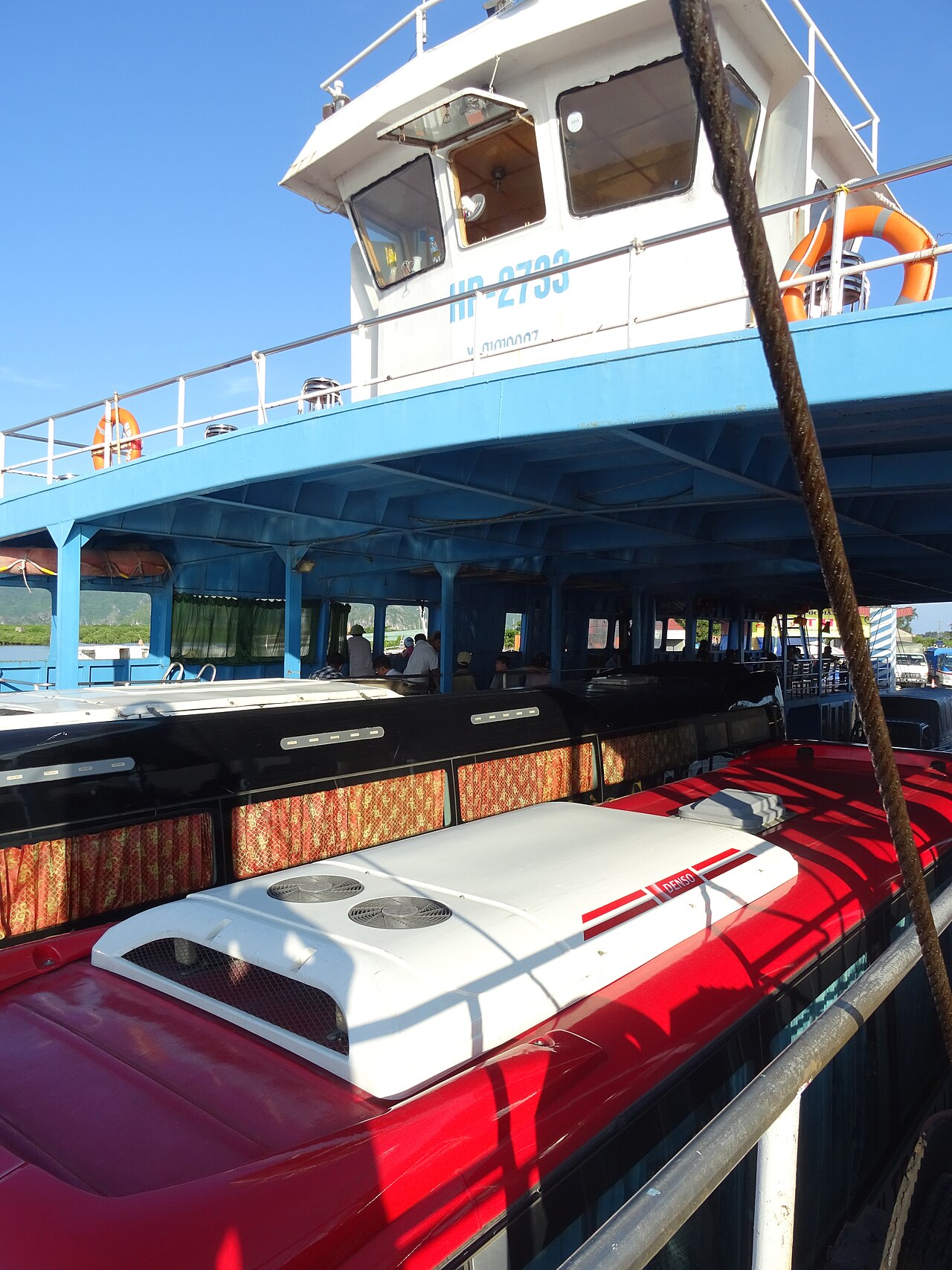
As visitor numbers increased, Cát Bà gained improved transport connections, roads, telecommunications and tourism services. These changes do not serve travellers alone.
Residents can move goods more easily, communicate with customers and reach the mainland more conveniently. Better internet supports education and online business. Improved transport can make access to hospitals, suppliers and administrative services less difficult.
The island is less isolated than it was twenty years ago. That connectivity expands choices for residents, especially those building businesses or pursuing education.
At the same time, infrastructure built mainly for high visitor volumes may prioritise tourism corridors over quieter residential needs. Development is most useful when residents benefit throughout the year, not only during peak travel periods.
The island now follows a tourism calendar
Fishing life follows tides, seasons and weather. Tourism adds another calendar: summer holidays, weekends, public festivals and international travel seasons.
During peak periods, hotels fill quickly, boats operate daily and restaurants work late into the night. Residents may earn a large portion of their annual income within a few intense months.
When winter arrives or storms interrupt marine activities, demand can fall sharply. Guides receive fewer bookings, boats remain at the harbour and small businesses must survive on reduced revenue.
This seasonality affects household planning. Residents may save peak-season income for quieter months, combine tourism with another occupation or leave temporarily to find work elsewhere. A busy summer does not necessarily mean a secure year.
Land, rent and business costs have risen
Tourism makes desirable locations more valuable. Property near the waterfront, commercial streets or transport hubs may become attractive to investors and accommodation businesses.
Owners can benefit from selling, leasing or developing their land. Renters and small operators may face the opposite effect. Higher rents can reduce profits or push businesses away from central areas.
Young residents who do not inherit property may find it harder to buy a home or open a business. Income from tourism may rise, but living costs can rise with it.
This creates an important divide. Two families living on the same island may experience tourism very differently depending on whether they own valuable land, operate a successful business or rely on wages and rented accommodation.
Construction changed familiar landscapes
New roads, hotels and tourism facilities can create jobs and improve services. They can also replace familiar views, public spaces and sections of coastline.
Residents experience construction differently from short-term visitors. They live with the dust, noise, heavy traffic and restricted access long after a traveller has left.
Some people welcome large projects because they expect better infrastructure and more customers. Others worry that rapid construction will make Cát Bà resemble destinations that have lost their local character.
Development is therefore not only an economic issue. It affects memory and belonging. A waterfront is not simply valuable land; it may be where residents learned to swim, repaired boats, met neighbours or watched family members return from sea.
Tourism increased pressure on freshwater and waste systems
Every hotel room, restaurant and boat uses water and produces waste. During peak periods, thousands of additional people place pressure on infrastructure designed for a small island community.
Plastic packaging, food waste and discarded items can reach beaches or the bay when collection systems are insufficient. Wastewater must be treated effectively to protect swimming areas, aquaculture and marine ecosystems.
Research in Việt Hải has identified environmental pressure from rising visitor numbers and limitations in local waste-treatment infrastructure.
Residents experience these effects directly. Polluted water threatens seafood farming. Litter damages the island’s appearance. Overloaded infrastructure reduces quality of life for people who remain after visitors leave. Tourism depends on a clean environment, but without proper investment, it can damage the resource it sells.
Fishing-village culture entered the tourism market
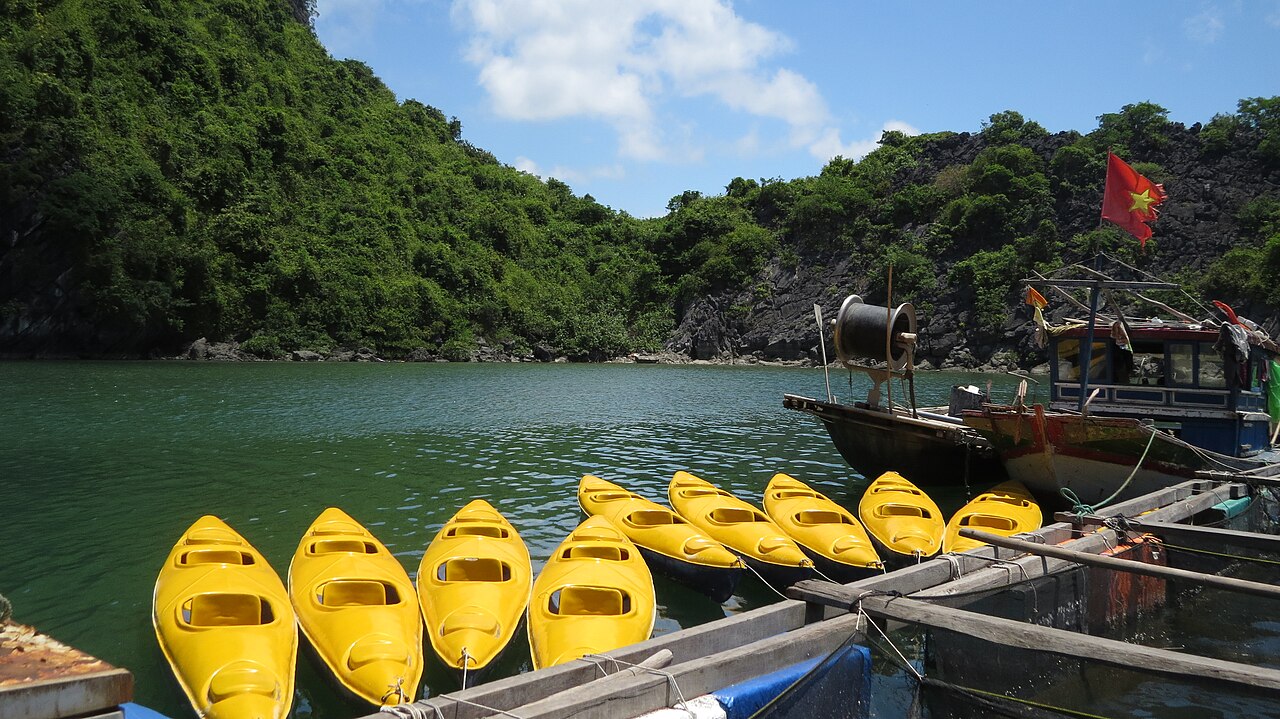
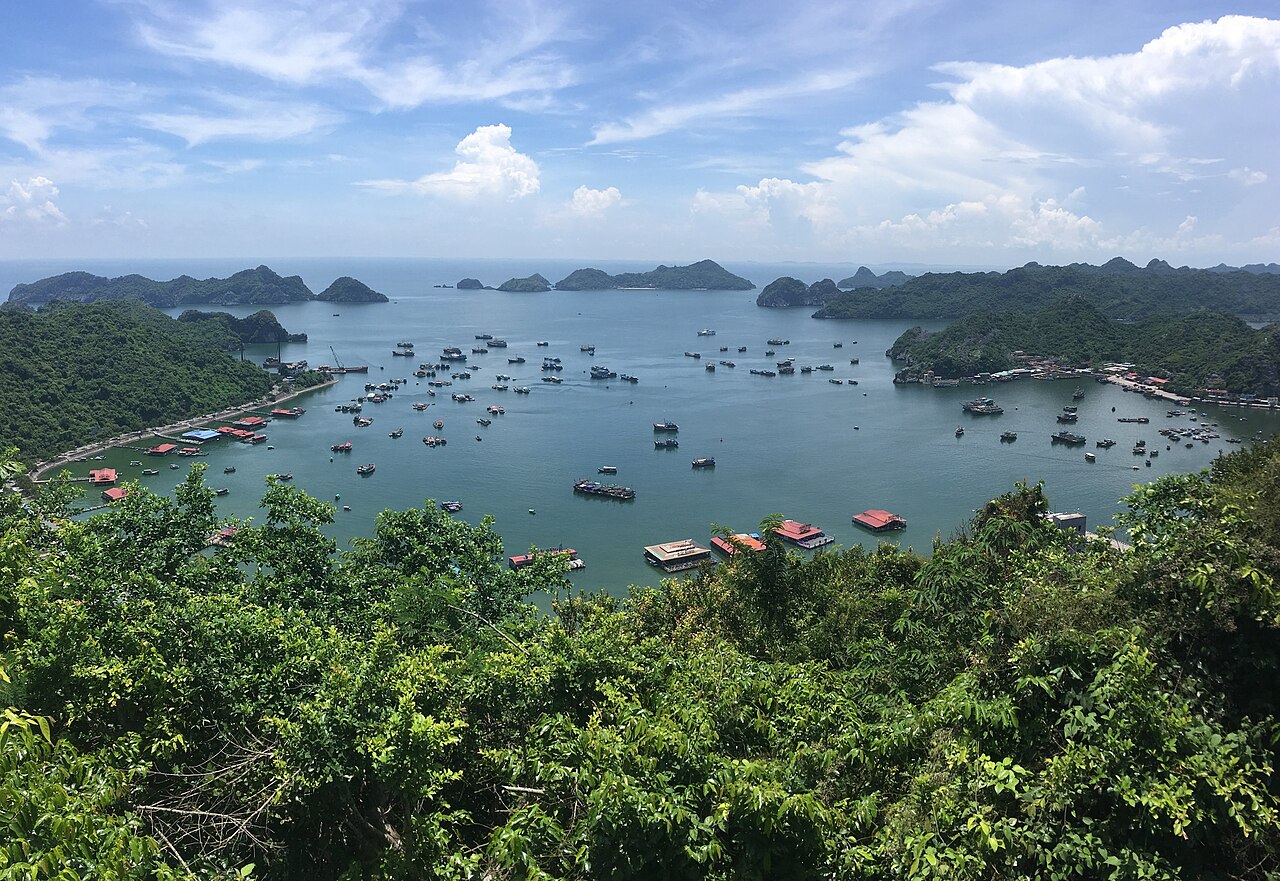
Floating houses, fish farms and traditional boats attract visitors because they appear different from urban life. This attention can generate income and encourage interest in local heritage.
Yet culture can become simplified. A working fish farm may be presented only as a scenic photo stop. Residents may be photographed without permission. Complex issues such as relocation, changing aquaculture regulations and declining floating-house residence can disappear behind romantic descriptions.
Tourism helps preserve culture when local people control the story, lead the experience and receive fair payment. It weakens culture when communities are treated as decoration.
Responsible guides explain how floating platforms are built, how families obtain freshwater and why fewer people now live permanently on the bay. They do not pretend that local life has remained unchanged for centuries.
Conservation gained economic importance
Cát Bà’s forests, wildlife and limestone seascape have always held ecological value. Tourism also gives them direct economic importance. Healthy ecosystems attract visitors and support guiding, boating and accommodation businesses. Protecting nature can therefore create employment that does not depend on harvesting marine or forest resources.
The Cát Bà Archipelago has been a UNESCO Biosphere Reserve since 2004 and became part of the expanded Ha Long Bay–Cat Ba Archipelago World Heritage property in 2023. These recognitions strengthen both tourism appeal and conservation responsibility.
However, a heritage title alone does not guarantee sustainable development. Visitor numbers, construction, boat traffic and waste still require careful management.
Local families became vulnerable to tourism disruptions
Depending on tourism introduces new risks. Storms can stop boat trips. Transport interruptions can reduce visitor arrivals. Economic downturns or health emergencies can empty hotels and restaurants.
A fishing family may lose stock because of bad weather, but a tourism-dependent household can lose bookings for the same reason. Diversifying away from fishing does not eliminate vulnerability; it changes its form.
Households with several income sources are often better positioned. A family may combine accommodation, seafood supply and transport. Another may operate tours during summer and return to different work in winter. A resilient tourism economy should help residents prepare for disruption rather than encouraging complete dependence on one seasonal market.
Who benefits determines whether change is positive
Tourism has brought money and employment to Cát Bà, but total revenue is not the same as community benefit. The impact is stronger when:
- Local people own or manage businesses
- Workers receive training and fair wages
- Companies purchase goods locally
- Tourism operates beyond the summer peak
- Environmental costs are properly funded
- Residents participate in planning decisions
- Fishing and aquaculture livelihoods are respected
- Culture is presented by the community itself
If profits leave the island while residents absorb higher costs, waste and congestion, tourism becomes extractive. If income circulates locally and supports conservation, it can improve both livelihoods and the visitor experience.
Travellers participate in this change
Visitors shape Cát Bà through where they stay, what they buy and how they behave. Choosing an independent local restaurant or knowledgeable island guide keeps more money within the community. Travelling outside peak weekends can reduce overcrowding and provide income during quieter periods. Respecting residents, avoiding single-use plastics and following conservation rules lowers some of the social and environmental cost.
Tourists should not expect Cát Bà to exist only for their convenience. It is a living community before it is a holiday destination.
Tourism has opened Cát Bà—and made protection more urgent
Tourism has given local people new careers, larger markets and stronger links with the mainland. It has encouraged language learning, entrepreneurship and investment in services.
It has also introduced seasonal dependence, unequal benefits, higher costs, rapid construction and environmental pressure. Some families have gained substantially, while others experience the disruption without receiving the same rewards.
The best measure of tourism’s success is therefore not the number of visitors arriving. It is whether local families can build secure lives while the beaches, forests, fishing culture and waters of Cát Bà remain healthy.