
Cat Ba Beyond · Activities
How Should You Protect Your Phone and Camera on Lan Ha Bay?
Lan Ha Bay offers exceptional photography: limestone cliffs reflected in calm water, floating homes, hidden lagoons and kayaks passing beneath low cave entrances. The same environment exposes electronics to salt spray, rain, humidity and accidental drops.
Protection takes more than an ordinary plastic bag. Your equipment should remain dry, secured to you and protected from sudden temperature changes.
What can damage your equipment?
Falling into the sea is the most obvious risk, but small amounts of moisture can enter charging ports, battery compartments and damaged seals. Salt left on buttons or metal contacts may cause corrosion.
Common risks include:
- Paddle splash while kayaking
- Spray from a speedboat or tender
- Rain and high humidity
- Wet hands touching ports or lenses
- Sand or dirt trapped in waterproof seals
- Condensation after leaving an air-conditioned cabin
- Equipment sliding from a bench or kayak
- Salt residue remaining after the tour
Plan as though your equipment will be splashed, even when the weather appears calm.
How should you protect your phone?
Place it in a genuine waterproof pouch with a reliable closure, designed for immersion rather than merely described as water-resistant. Before the trip, test the empty pouch: put dry tissue inside, close it correctly and submerge it. Check that the tissue stays dry. Repeat periodically as seals can deteriorate.
Attach a strong lanyard securely to your body or life jacket without interfering with safety equipment. Do not hold the phone loosely while stepping between a boat and kayak. Practise using the touchscreen and camera through the plastic before launching.
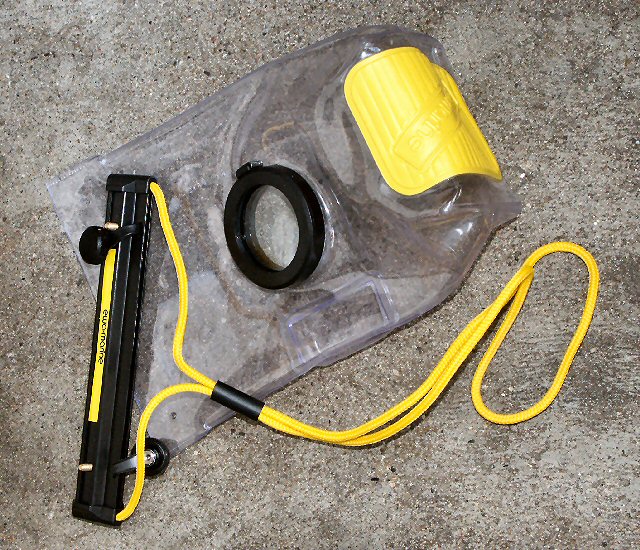
Is a waterproof phone safe without a pouch?
Not necessarily. Water-resistance ratings apply under specific test conditions and may decline after wear, drops, damaged seals or repairs. Salt water presents additional risk. A pouch also helps protect against scratches, spray and loss. For higher-quality photographs, remove the phone only when seated safely on the main boat away from the edge; put it back before transferring to a smaller vessel.
How should you store a mirrorless or DSLR camera?
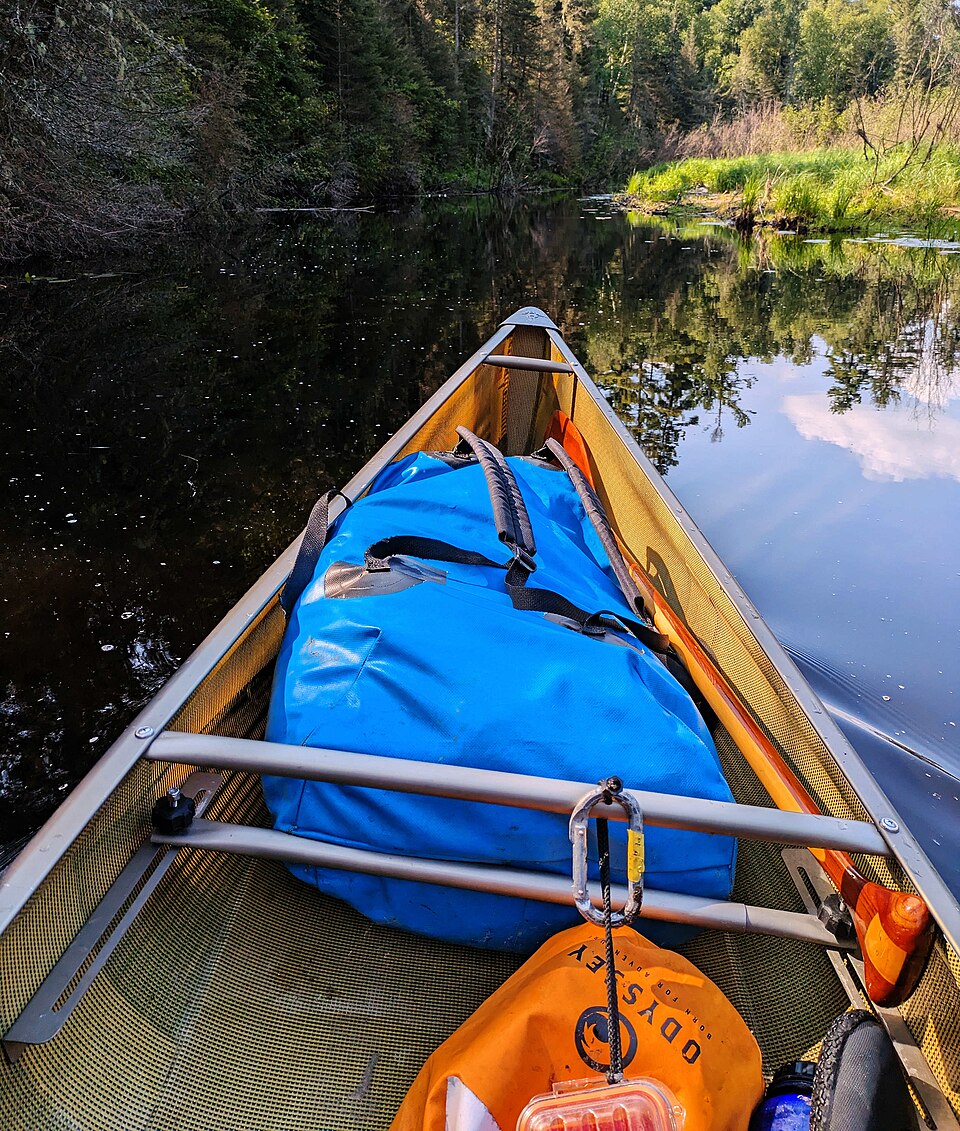
Keep it in a padded dry bag when not in use. Fold a roll-top closure the number of times its manufacturer specifies; one loose fold is not a reliable seal. Add clean padding and a small silica-gel pack, and put spare batteries and memory cards in separate sealed containers.
Attach the bag to a secure point so it cannot slide overboard. Avoid the kayak floor, where water collects. If taking a camera onto a kayak, use a suitable strap and keep the lens cap accessible, but follow the guide’s instructions: a loose neck strap can snag on the life jacket or paddle.
How should you protect an action camera?
Check the waterproof rating for your exact model. Close every battery door and port cover fully, and remove hair, sand or dirt from sealing surfaces. Use a floating hand grip or wrist strap to reduce the chance of losing it.
After salt-water use, follow the manufacturer’s instructions. For example, GoPro advises rinsing compatible waterproof cameras in fresh water and drying them with a soft cloth before opening doors. Never rinse an ordinary camera or a device not approved for that treatment.
How can you prevent condensation?
A cool phone or camera moved from air-conditioning into warm, humid air may collect moisture on the lens or inside the device. Before leaving a cool room, seal the camera in a bag and let it warm gradually before opening. Canon recommends this approach for moving between temperatures.
If condensation appears, stop using the camera and allow it to adjust naturally. Avoid repeatedly removing the lens, battery or memory card while moisture remains.
What should you do if a device gets wet?
Move away from the water, turn it off if safe and disconnect accessories. Do not plug in a charger just to test it. Dry the exterior with a soft cloth and, for a phone, hold the connector downward so excess liquid can drain. Leave it in a dry, ventilated place and follow its manufacturer’s instructions.
Do not use strong heat, a hair dryer or compressed air. Do not insert paper or cotton buds into the port. Avoid rice: particles can enter the device. Apple warns that charging through a wet connector can corrode its pins and cause permanent damage. A non-waterproof camera exposed to salt water needs prompt professional assessment even if its exterior appears dry.
How should you organise photographs and storage?
Back up important images before the tour. If the camera supports two memory cards, consider recording to both. Upload phone photos once you have a stable connection; data coverage may be intermittent in the bay. Several smaller memory cards reduce reliance on one card. Store used and unused cards separately in waterproof cases, and label your equipment with contact details so the crew can return misplaced items.
What should remain on the main boat?
Leave passports, wallets, spare batteries, large lenses and unnecessary electronics in a secure, dry spot aboard. Take only what you intend to use. A kayak is an unstable place to change lenses or organise accessories, and fewer items leave you free to paddle and respond to changing conditions.
A simple protection checklist
Before kayaking, confirm that:
- Your waterproof pouch has been tested
- Every closure is sealed correctly
- Your phone or camera is attached securely
- Spare batteries and cards are protected
- Equipment does not interfere with your life jacket
- Important photographs are backed up
- A dry cloth and sealed dry bag are available
Good preparation lets you photograph Lan Ha Bay without spending the activity worrying about equipment.