
Cat Ba Beyond · Activities
Is Kayaking Safe During the Rainy Season?
Yes, kayaking in Lan Ha Bay can be safe during the rainy season, but rain alone should never decide whether you launch. A light shower over calm, sheltered water is very different from a thunderstorm bringing lightning, strong wind and rapidly changing waves. The safest decision depends on conditions at that moment, the route, your ability and the local crew’s judgment.
Does rain automatically make kayaking dangerous?
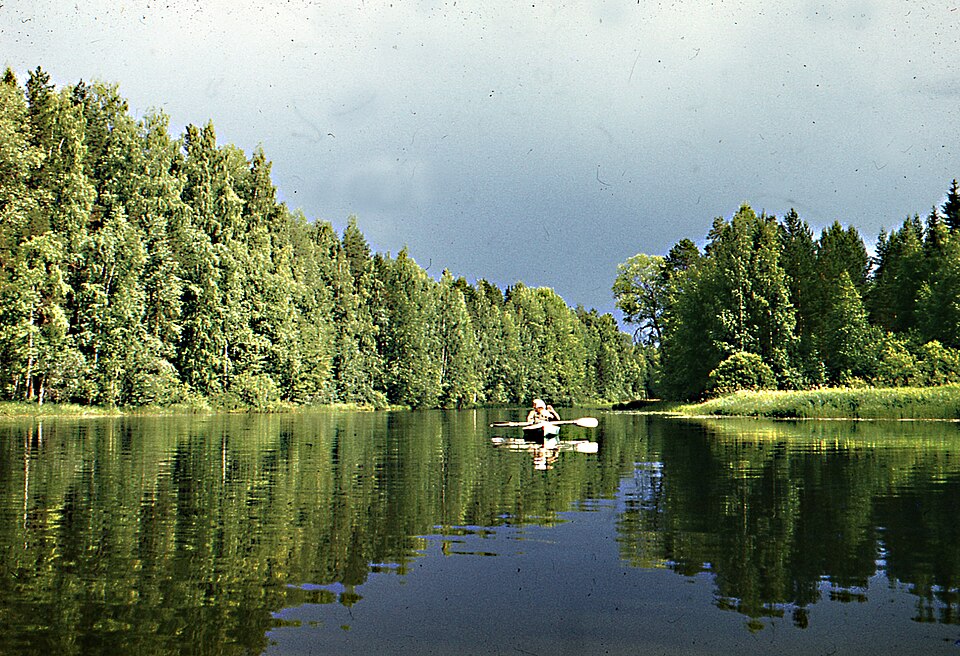
Light or moderate rain is not necessarily a reason to cancel. Lan Ha Bay has sheltered channels and lagoons behind limestone islands. If wind stays gentle, visibility is adequate and no thunderstorm is approaching, a guided paddle may continue safely. Mist and rain can create striking scenery, but a guide must keep monitoring the sky, wind and water throughout the activity.
What makes rainy-season kayaking unsafe?
- Thunder and lightning
- Sudden wind gusts or rough, confused water
- Reduced visibility
- Stronger current near narrow passages
- Slippery landing areas
- Rapidly changing conditions
Heavy rain may hide the support boat, other kayaks or approaching vessels. Wind can push beginners off route, and waves can fill an open kayak. Cave entrances need particular caution because rain, tide and current can make steering difficult.
Can you kayak during a thunderstorm?
No. If thunder is heard, leave the water promptly and follow the crew’s emergency instructions. Lightning can strike outside the rain area; do not wait for the storm to be overhead. A limestone overhang, cave, beach shelter or open-sided boat is not reliable lightning protection. The U.S. National Park Service advises that no outdoor place is safe during a thunderstorm and to wait at least 30 minutes after the last thunder or lightning before resuming an outdoor activity. The U.S. National Weather Service warns that marine thunderstorms can develop quickly and bring dangerous wind, waves and lightning.
Who should be particularly cautious?
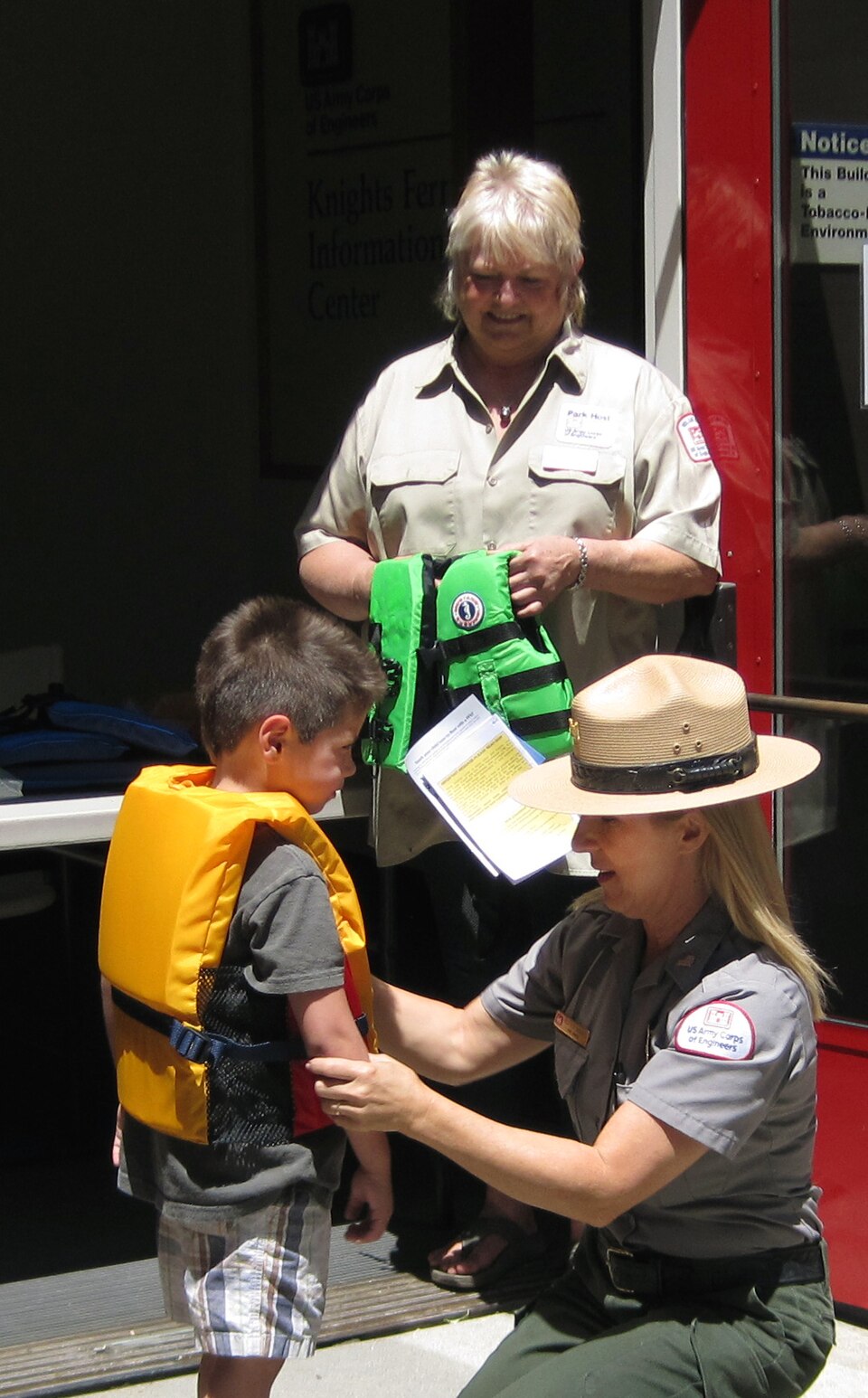
Beginners, children, weak swimmers and travellers with limited mobility should choose a short, sheltered route close to the main boat and avoid exposed crossings when weather is uncertain. Swimming ability does not replace a life jacket. Each participant needs a correctly sized, fully fastened flotation device; children need child-sized equipment, not a loose adult jacket. Tell the guide before launching if deep water or enclosed caves make you anxious. A locally rowed bamboo boat may be an alternative when available.
What should you wear?
Wear lightweight, quick-drying clothes and secure shoes with good grip. A light waterproof layer may help with warmth, but avoid heavy clothes that become uncomfortable when soaked. Put phones, passports and cameras in a sealed waterproof pouch, and leave unnecessary valuables on the main boat. Bring drinking water and sun protection: humidity can dehydrate you and UV exposure continues through thin cloud.
How can you choose a responsible operator?
Ask how the company handles rain, thunderstorms and kayaking cancellations. It should provide life jackets, monitor conditions, supervise groups and offer an alternative when paddling cannot proceed.
- Is a support boat nearby?
- Who makes the final launch decision?
- Can kayaking move to a safer area?
- What alternative is offered if it is cancelled?
- Can the itinerary change for weather or tides?
- Are correctly sized child life jackets available?
Be cautious of a promise that kayaking will operate in every condition. No responsible company can guarantee a water activity without assessing the day.
What if kayaking is cancelled?
The whole cruise does not necessarily have to end. The captain may choose a sheltered location, offer sightseeing from the boat or reorder activities. In severe weather, the vessel may return early or wait in a protected anchorage. Visitors should not pressure the guide to continue because kayaking appeared on the itinerary or another group is still paddling.
What if conditions change while paddling?
Stay with the group and watch for the guide’s signal. Do not separate for photographs or explore a different channel. If wind increases, position the kayak as instructed and return to the support boat or designated landing. If you hear thunder, stop and leave the water without delay. Do not independently shelter inside an unfamiliar cave; tide or current could obstruct the exit.
The honest answer
Rainy-season kayaking in Lan Ha Bay can be peaceful under suitable conditions. Light rain may be manageable; thunderstorms, lightning, powerful gusts and poor visibility are not. Safety depends on a licensed operator, correct equipment and willingness to change plans. The best guide knows when not to launch.