
Cat Ba Beyond · Cat Ba Island
What Do Travellers Often Misunderstand About Cat Ba?
Cat Ba is often reduced to a few labels: a cheaper Ha Long Bay, a beach destination, a cruise departure point or a busy island town. Each contains part of the truth, but none describes the whole place.
Clearer expectations reveal an island of forests, fishing communities, limestone caves, working harbours and protected marine landscapes.
Misunderstanding 1: Cat Ba is only the town
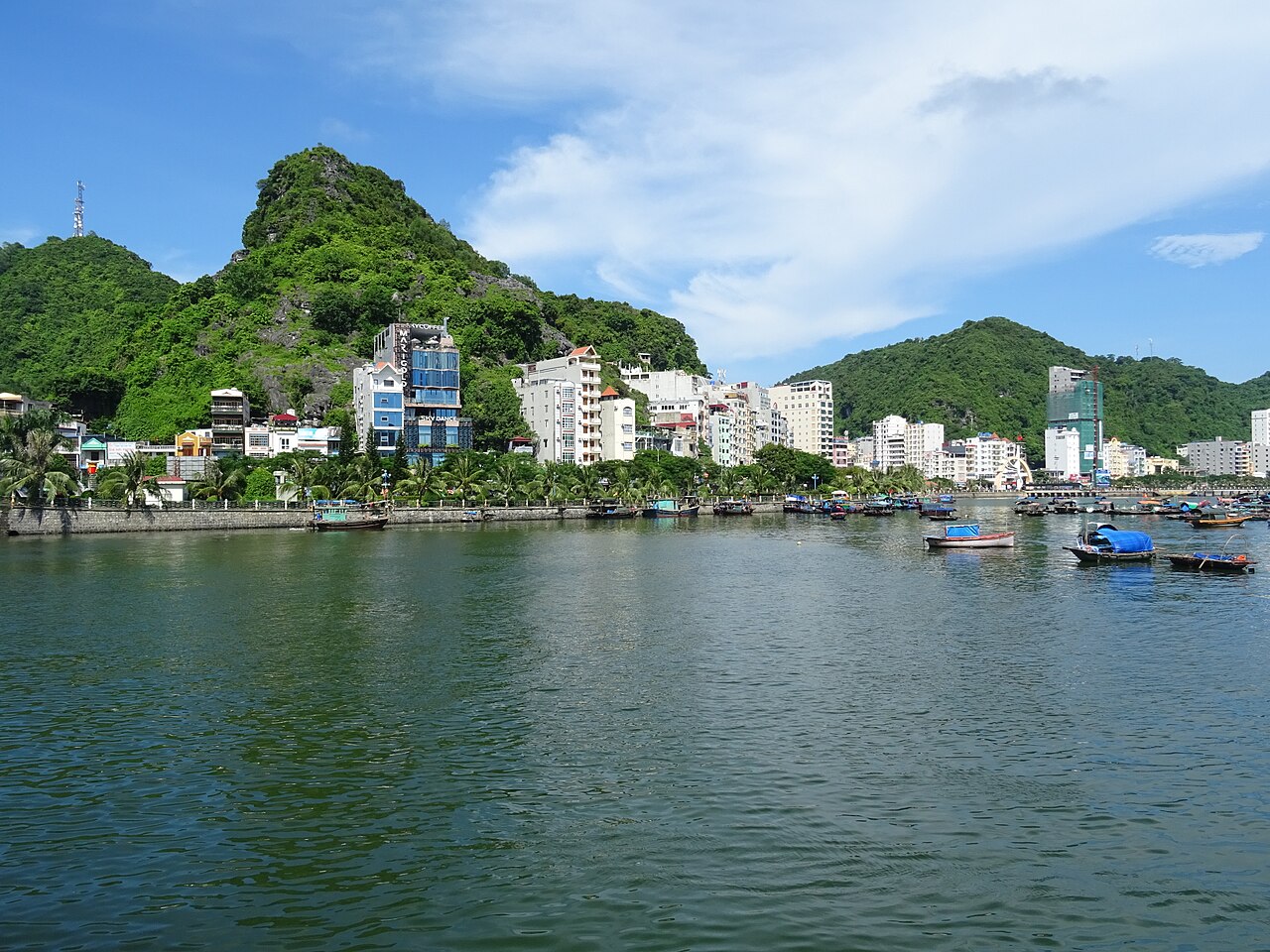
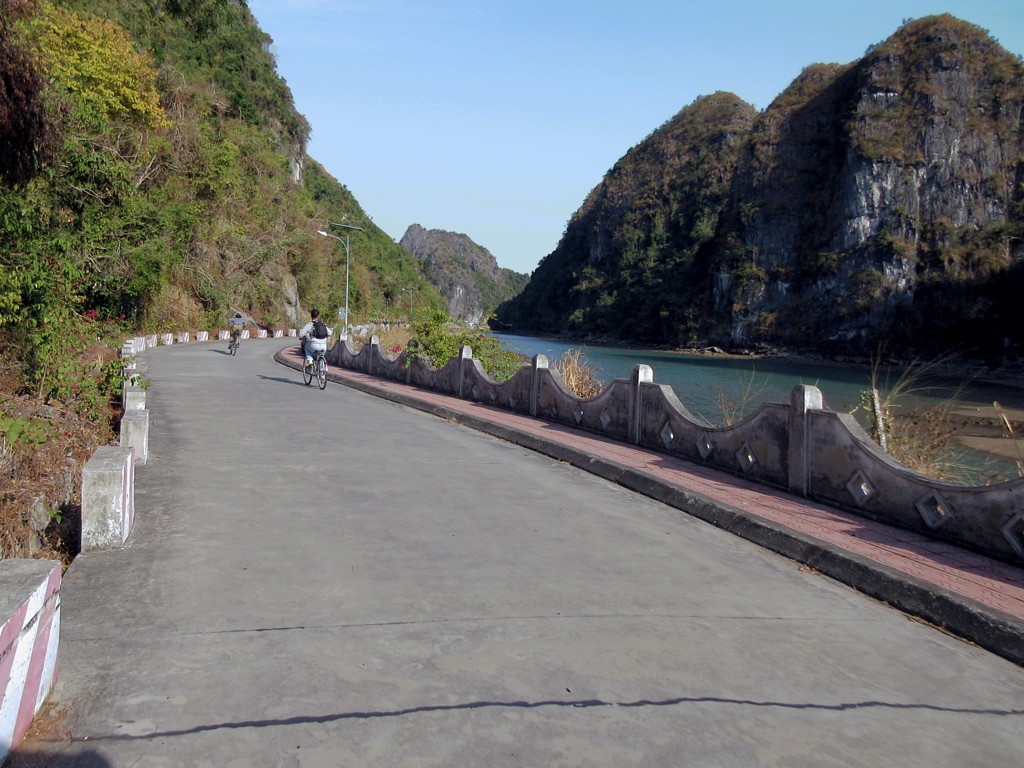
Cat Ba Town is where many visitors sleep and eat, but the island extends far beyond its waterfront. Cat Ba National Park, Trung Trang Cave, Xuan Dam, Hien Hao and Viet Hai offer different landscapes and ways of life. Forest, valleys and limestone cliffs replace town streets.
One night near the waterfront is a visit to the town, not a full experience of the island. Allow time for its interior.

Misunderstanding 2: Cat Ba and Lan Ha Bay are the same place
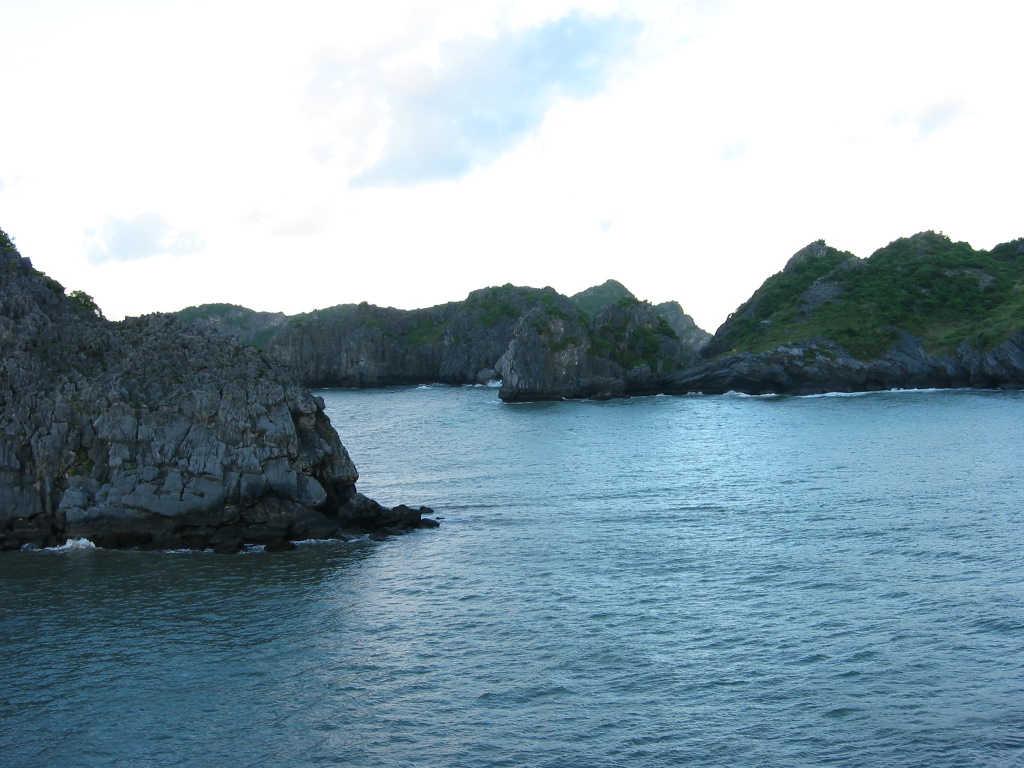
Cat Ba is the main island and commonly names its wider archipelago. Lan Ha Bay lies beside it and is explored by boat. Guests usually stay on the island, then travel from a harbour into the bay for cruising, kayaking or swimming. A hotel advertised as “Cat Ba” is not necessarily on the water. Check where a tour begins and where a hotel actually stands.
Misunderstanding 3: Lan Ha Bay is another name for Ha Long Bay
The two bays share a connected limestone seascape, but have different departure points and usual routes. In 2023, Cat Ba Archipelago became part of the expanded Ha Long Bay–Cat Ba Archipelago World Heritage property. UNESCO lists 65,650 hectares and 1,133 islands and islets for the combined property.
One World Heritage listing does not mean every cruise visits both bays. Read the actual itinerary.
Misunderstanding 4: Cat Ba is only worth visiting in summer
Warm summer conditions suit swimming, but summer can also bring humidity, holiday crowds and storms. Spring and autumn may suit walking and paddling; winter is often quieter but cooler and cloudier. The best period depends on your activity, not a single ideal photograph.
- Swimming needs suitable water and sea conditions.
- Trekking is more comfortable in moderate temperatures.
- Kayaking depends on wind, tide and route access.
- Travellers seeking quiet may prefer dates outside peak holidays.
Misunderstanding 5: A sunny forecast guarantees every activity
Sunshine alone cannot guarantee a specific boat route, beach or kayak stop. Wind, visibility, currents, tides and harbour instructions all affect marine operations. Authorities can restrict sailing; operators may need to change or cancel a program for safety. A responsible operator explains this uncertainty rather than promising every stop regardless of conditions.
Misunderstanding 6: A “2-day, 1-night” cruise provides two full days
The label counts calendar days, not 48 hours. Many overnight cruises board around midday and return before or around lunchtime the next day; check the actual schedule for your vessel. Check boarding, departure, return and activity times before comparing an overnight cruise with a day trip.
Misunderstanding 7: Every bay tour offers the same experience
Likewise-named places do not make two tours equivalent. Compare vessel capacity, group size, time on the water, kayaking duration, route, meals, safety equipment, included fees and cancellation terms. A knowledgeable local guide can connect the scenery to fishing culture, tides, ecology and changing communities. Choose a tour that matches your interests and explains its inclusions clearly.
Misunderstanding 8: Seafood is automatically inexpensive
Living by the sea does not make premium seafood cheap. Fish, crab, prawns and shellfish may be priced by weight. Before ordering:
- Confirm whether the price is per kilogram, portion or animal.
- Watch the seafood being weighed.
- Agree on the cooking method and any preparation charge.
- Ask whether rice, vegetables and drinks are separate.
- Confirm the estimated total.
Home meals are also not permanent seafood feasts: rice, vegetables, soup, tofu, eggs, pork and smaller fish are everyday foods.
Misunderstanding 9: Wildlife sightings are guaranteed
The Cat Ba langur is critically endangered and endemic to the archipelago, as noted in the World Heritage evaluation. That importance does not make it easy to see. Wild animals do not appear on schedule, and responsible guides cannot promise a sighting. Stay on permitted routes, keep noise low and never pressure crews to approach protected habitat.
Misunderstanding 10: Every beach looks turquoise every day
Water colour shifts with sunlight, cloud, tide, sediment and recent rain. A bay that looks emerald in an aerial photograph may look grey-green under an overcast sky. Tides also change the visible width of small beaches. Expect a changing natural place, not permanently edited colours.
Misunderstanding 11: Every remote place can be explored independently
Independent travel is possible in many areas, but remote kayak routes, serious treks, rock climbing and deep-water soloing require appropriate skill, equipment and local knowledge. Weather, tide, route-finding and emergency access matter. A capable guide helps select a suitable route, monitor conditions and explain the environment—not merely point the way.
Misunderstanding 12: More attractions make a better trip
Trying to combine a cruise, forest hike, cave, beach, village and long-distance transfer in one day usually creates more travel than enjoyment. A first visit may work better with one full day on Lan Ha Bay, another half or full day for the park and island interior, and unplanned time for food and the harbour. Leave space for weather changes.
Arrive with better expectations
Cat Ba is neither untouched wilderness nor just a resort town. Tourism, fishing, conservation and development coexist. The sea may not match a filtered photograph; a cruise route may change; wildlife may remain hidden. The island becomes more rewarding when visitors pay attention to the real place in front of them.