
Cat Ba Beyond · Local life
What Is a Day in the Life of a Cat Ba Local Like?
Before most visitors open their hotel curtains, Cat Ba is already working. Fishing boats move through the half-light, market stalls begin receiving produce, and families on floating aquaculture farms check cages exposed overnight to wind and tide.
There is no single routine shared by everyone on the island. A fisherman, hotel receptionist, national-park ranger and restaurant owner live very different days. Yet their work is connected by the same forces: the sea, tourism, weather and seasonality.
Before sunrise: the working harbour wakes up
At Ben Beo Harbour, mornings begin with the sound of engines and equipment moving between boats. Fishing crews check fuel, nets, ropes and weather conditions before leaving or unloading their catch.
For aquaculture families, the day may involve travelling to floating farms, feeding fish, inspecting cages and checking for damage from currents or overnight weather. Fishing and aquaculture remain part of the island’s economy alongside tourism, as a Cat Ba Island research paper describes.
The day does not always follow the clock. Tides, wind and sea conditions can decide when work begins, which route is safe and whether boats should operate at all.

Around 5 a.m.: Cat Ba Market comes to life
Cat Ba Market opens early. The island tourism portal lists the central market near Nui Ngoc Street as generally operating from 5 a.m. to 7 p.m., selling fresh and dried seafood, fish sauce, honey and everyday goods. Hours may change.
In the first hours of the morning, residents shop before work, traders arrange the catch, and restaurant owners choose ingredients for lunch and dinner. Fish, prawns, squid and shellfish sit alongside vegetables, fruit and daily necessities brought from elsewhere on the island or mainland.
Nearby breakfast stalls serve quick meals. A bowl of noodles, bánh mì or sticky rice may be followed by Vietnamese coffee before the working day gathers speed. Visitors can observe, but should leave narrow paths clear and ask before photographing traders.
Morning: tourism joins the rhythm
By mid-morning, Cat Ba Town has changed character. Buses collect passengers, guides confirm reservations, hotels prepare rooms, and boat crews welcome travellers heading into Lan Ha Bay.
Tourism supports work beyond the boats and hotels. A study of community tourism in Viet Hai describes local opportunities tied to accommodation, meals and visitor services. That is one part of a wider island economy that also includes seafood supply, transport, fishing and aquaculture.
One person may drive visitors to the harbour while another supplies a restaurant. A household may run rooms in summer and rely on another livelihood during quieter months. These examples illustrate how the sectors connect; they are not a schedule for every resident.

Away from town: a different pace
Cat Ba Town is not the whole island. In Viet Hai, daily life can include farming, gardening, maintaining homes and supporting community-based tourism. Residents may rent bicycles, prepare meals, guide visitors or operate homestays.
Elsewhere, people work in schools, shops, public offices, workshops, construction, transport and conservation. Rangers and environmental workers follow a different schedule from hotel or restaurant staff, especially during patrols and wildlife monitoring.
Midday: heat, meals and preparation
Outdoor work often slows around midday in the hotter months. Families and workers stop for lunch while restaurant kitchens prepare for tour groups.
On day cruises, lunch may be served on the water. Hotel staff clean rooms and receive guests. Market traders protect seafood and produce from heat, while crews clean decks, refuel or prepare equipment for the afternoon.
A home lunch may be a shared meal of rice, fish, vegetables and soup, shaped by what is available that day—not a tourist-style seafood feast.
Afternoon: the season controls the workload
Summer can mean full hotels, crowded harbours and long restaurant shifts. Quieter or cooler periods may leave more time for repairs, maintenance and other livelihoods.
Weather can overturn the plan. Strong wind, heavy rain or an official sailing restriction may cancel cruises, delay fishing and reduce restaurant trade. For people working at sea, adapting to those conditions is routine, not an occasional inconvenience.
Afternoon also brings changeovers: boats return from shorter trips, restaurants receive deliveries, hotels finish check-ins, and traders prepare for evening customers.
Sunset: boats return and kitchens become busy
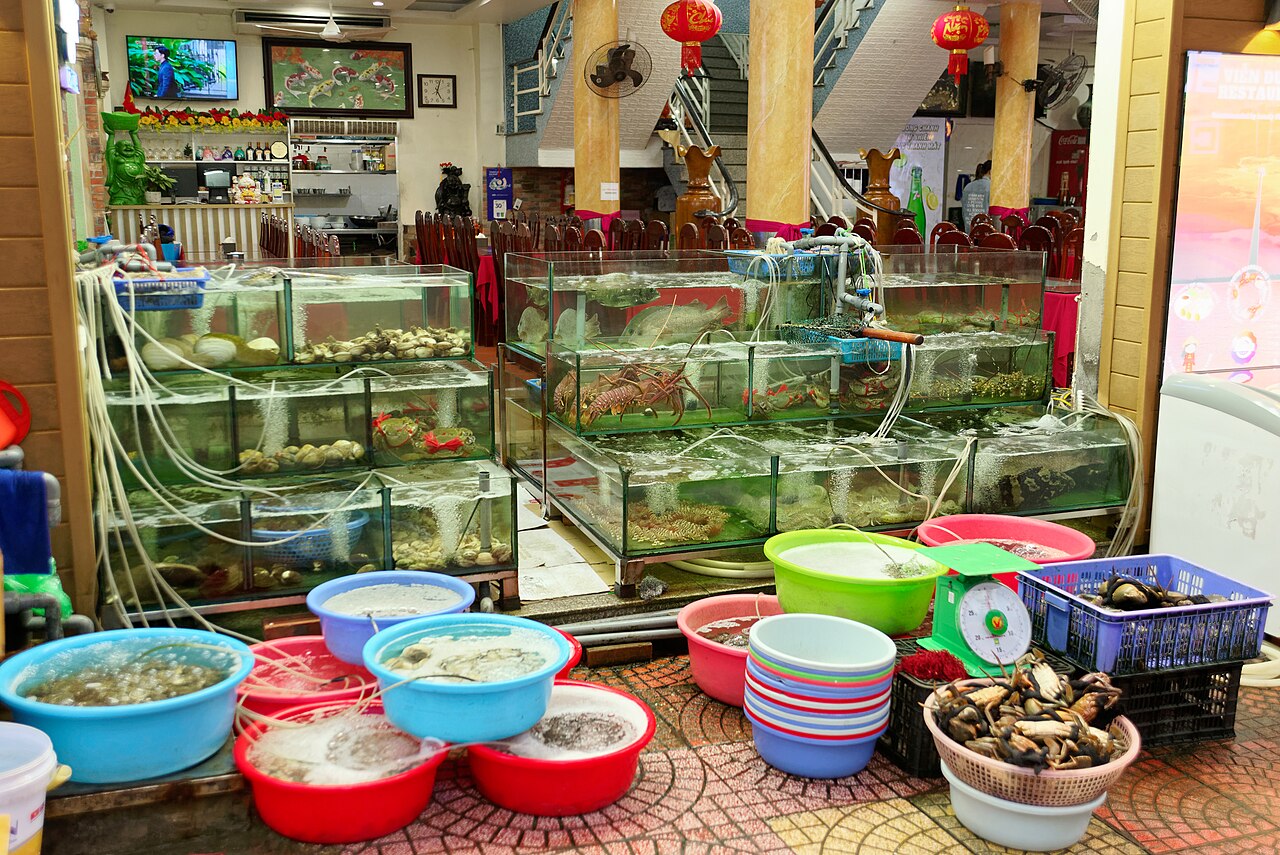
As daylight softens, boats return, equipment is unloaded and passengers head into town. Seafood restaurants ready their grills, tanks and tables for dinner.
For some families, evening is the first chance to eat together. A home meal may be rice, fish, vegetables and soup. For cooks, servers, receptionists, shopkeepers and drivers, however, work continues.
The same tourism portal lists Cat Ba Night Market on 1/4 Street as generally open from 6 p.m. to 10 p.m. Stalls sell snacks, dried seafood and souvenirs; location and operating arrangements can vary by season.
Night: the island becomes quiet—unevenly
The waterfront may stay lively while residential streets settle earlier. Families prepare for the next morning, children do schoolwork, and people whose work depends on the sea check the forecast.
Some floating-farm workers may still monitor equipment. Hotels and overnight boats continue to serve guests. The island does not become completely still; different groups hand the working day to one another.
A day in the life of a Cat Ba resident is not one picturesque story. It is a network of routines linking harbour, market, farms, hotels, villages and protected landscapes. For travellers, noticing that rhythm changes the experience: Cat Ba becomes more than a gateway to Lan Ha Bay.