Cat Ba Beyond · Fishing Life & Local Culture
What Seafood Is Farmed in Lan Ha Bay?
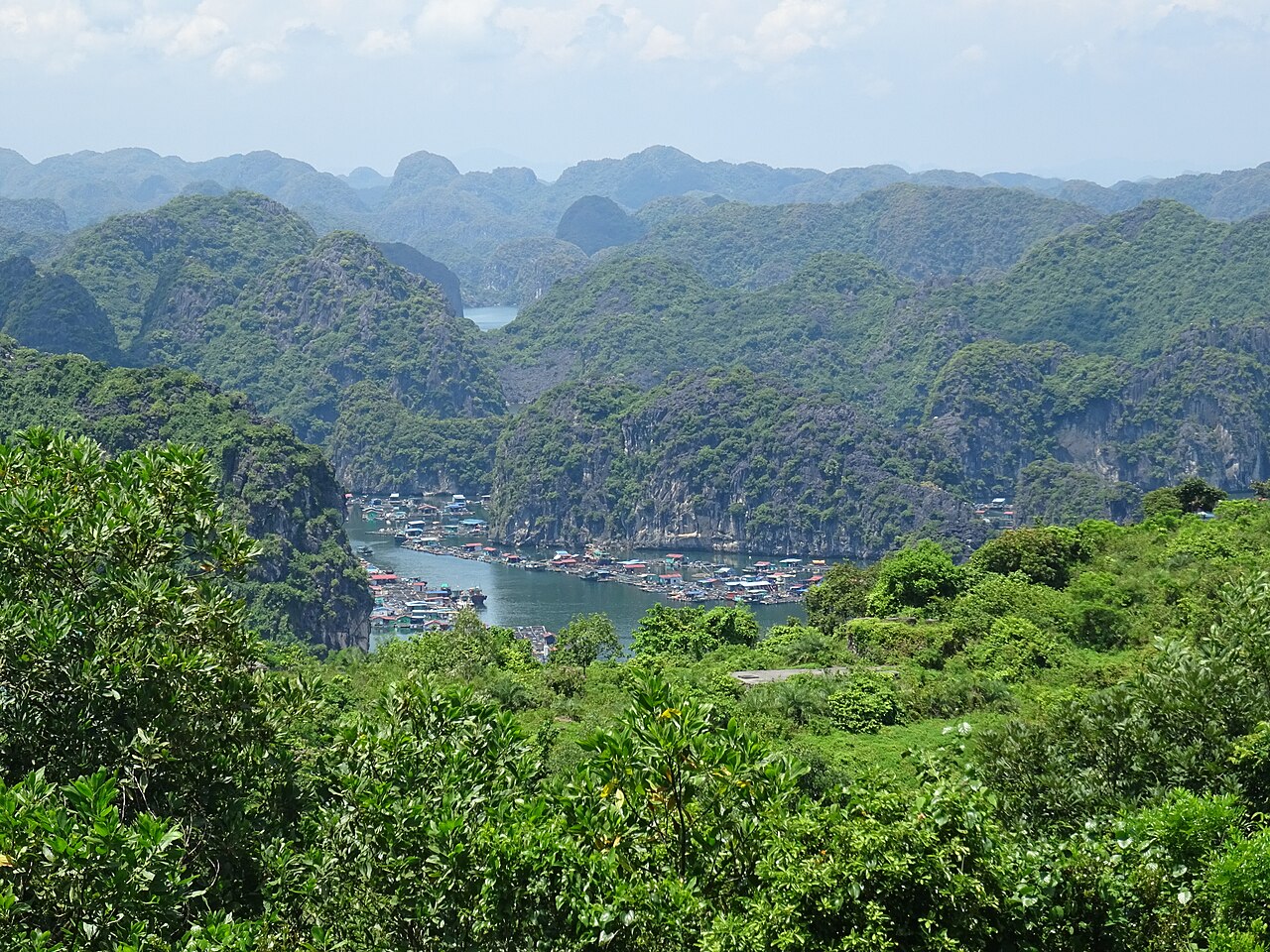
Look beneath the wooden walkways of a floating farm in Lan Ha Bay and you will find more than one kind of seafood. Separate net cages may hold fast-growing cobia, valuable grouper, sea bass, croaker or spangled emperor. In suitable farming areas, local families also raise several kinds of clam.
This diversity is important. Each species grows at a different speed, requires different care and reaches the market at a different time. For farming families, choosing what to raise is both an economic decision and a result of experience gained from living on the water.
Cobia – Cá giò
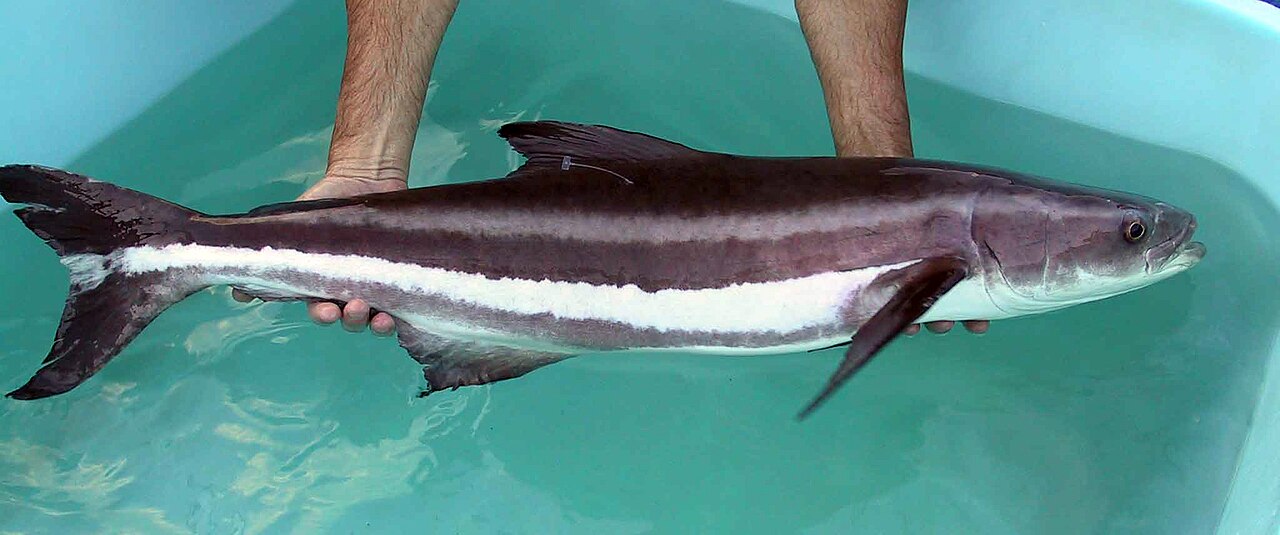
Cobia is known locally as cá giò. It is a large, fast-growing marine fish with firm flesh and relatively few small bones. Because cobia can become considerably larger than many other cage-farmed species, farmers need strong nets, secure frames and enough space for the fish to move.
A cobia cage must be checked regularly for damage. As the fish gain weight, weak mesh or loose ropes become a greater risk. When harvested, cobia may be sold whole to traders and restaurants or cut into portions for grilling, hotpot and other seafood dishes.
Grouper – Cá song
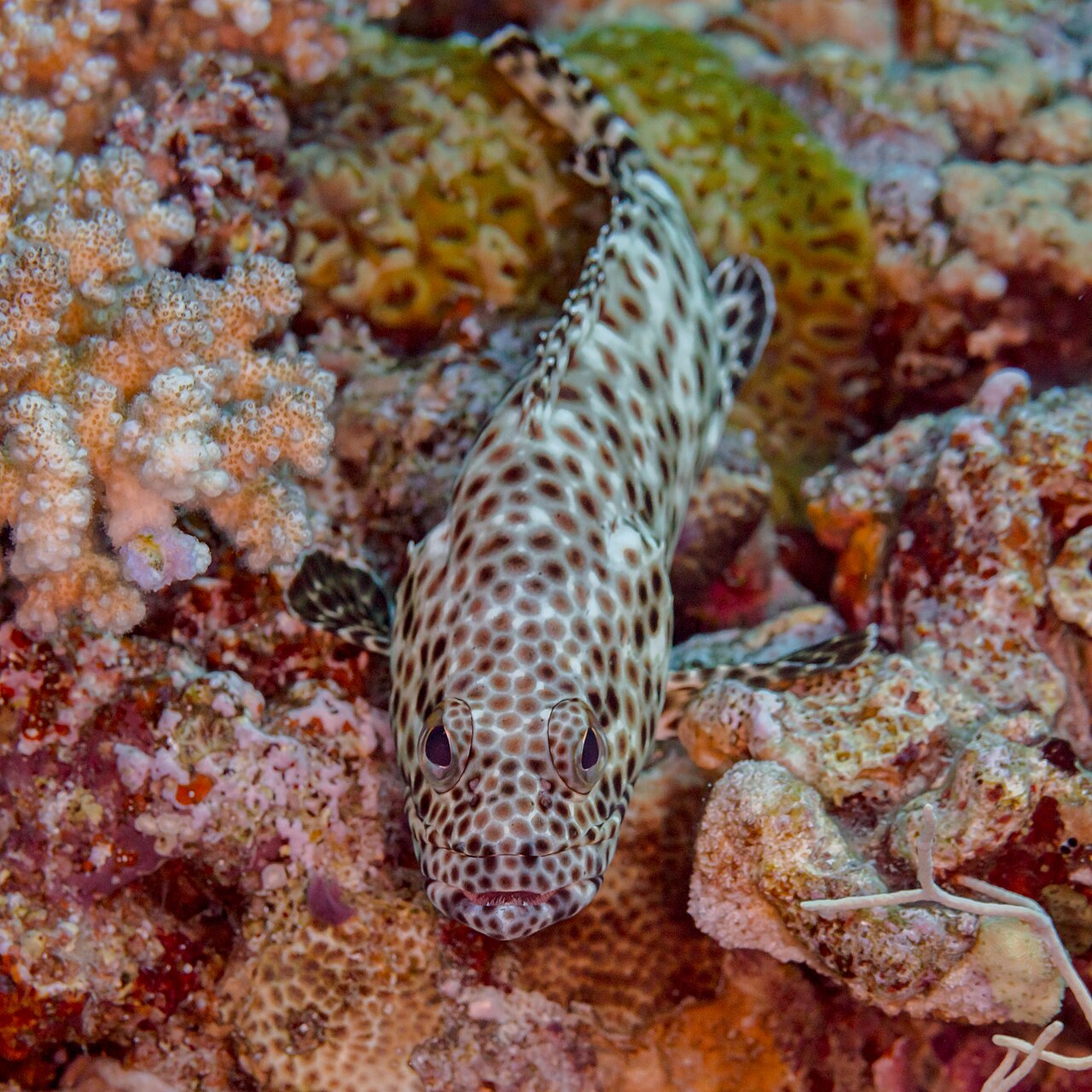
Grouper, called cá song in northern Vietnam, is one of the best-known fish served in seafood restaurants around Cat Ba. Its white flesh, delicate texture and market value make it an important species for some floating farms.
Grouper generally requires patient care. Farmers sort young fish by size because larger individuals may compete with smaller ones for food. They also watch feeding behavior closely: a fish that stops eating or stays apart from the group may be stressed or unhealthy.
Several grouper varieties can appear in local markets, so visitors should ask which variety is available, whether it was farmed or caught in the wild, and how its price is calculated before ordering.
Croaker – Cá sủ
Cá sủ belongs to the broader croaker group, named for the sounds some species can produce. In local trade, names may vary between fishermen, markets and restaurants, so “croaker” is the most practical English description unless the exact species has been identified.
Croaker provides another source of income for farming households and adds variety to local seafood menus. Its flesh can be steamed, grilled, fried or cooked in soup. As with other cage-raised fish, availability depends on the farming cycle rather than the daily catch alone.
Asian sea bass – Cá vược
Asian sea bass, also widely known as barramundi, is called cá vược or cá chẽm in Vietnam. It is appreciated for its mild flavor and versatile white flesh, making it accessible even to travelers who are unfamiliar with stronger-tasting seafood.
The species is kept in dedicated cages and sorted as it grows. Farmers monitor appetite, water movement, net cleanliness and stocking density. Sea bass is frequently prepared by steaming, grilling or frying, but the cooking style varies from one local kitchen to another.
Spangled emperor – Cá gáy
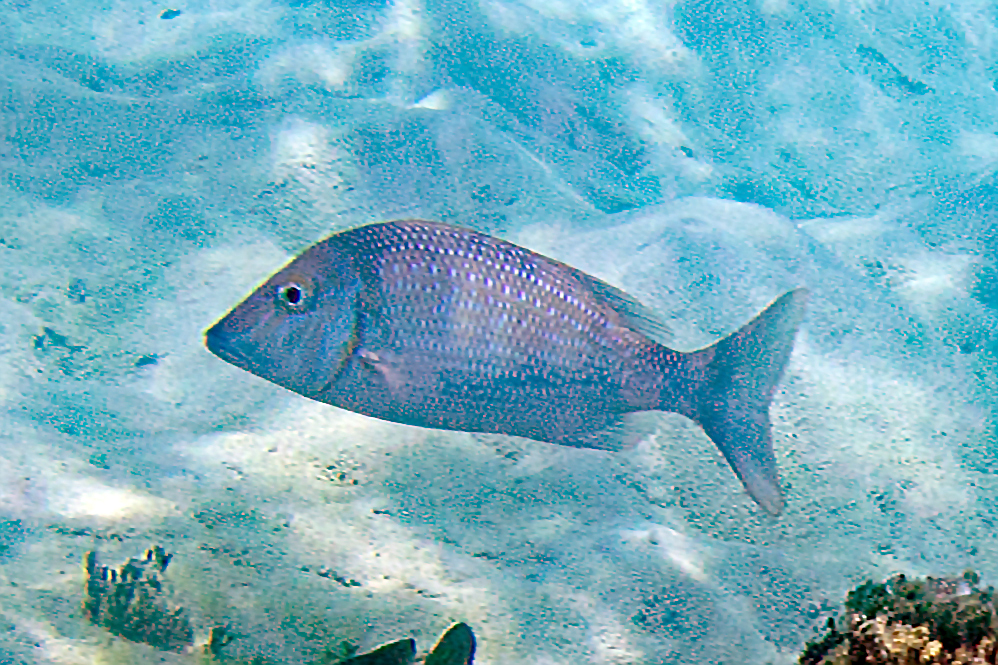
The fish locally called cá gáy is commonly identified as the spangled emperor. It has a firm texture and a flavor well suited to steaming, grilling and hotpot. Vietnamese aquaculture research has also examined raising this species in marine cages, reflecting its potential value as a farmed fish.
Cá gáy should not be confused with freshwater fish that may share a similar regional name. When translating local seafood names, identifying where the fish was raised and asking the farmer or seller for more detail is often more reliable than relying on a direct word-for-word translation.
Flower clams – Ngao hoa
Fish are not the only seafood cultivated in the area. Flower clams, known as ngao hoa, are valued for their patterned shells and naturally sweet flesh. Unlike fish in net cages, clams are filter feeders. They obtain food by filtering microscopic organisms and organic particles from the surrounding water.
Their growth therefore depends heavily on water quality, currents, salinity and the suitability of the farming location. Farmers must monitor the growing area, remove damaged or dead shellfish and protect the stock from poor weather and environmental changes.
Sâng and sần clams
Sâng and sần are local names used for particular clams in the Cat Ba area. Because these vernacular names do not always have a consistent commercial equivalent in English, retaining their Vietnamese names is more accurate than assigning an uncertain translation.
This is common in coastal communities. One species may have several local names, while similar-looking shellfish may be grouped under a single English term. Travelers interested in these clams should ask a local guide or farmer to show the differences in shell shape, color, texture and habitat.
Two-muscle clams – Ngao hai cùi
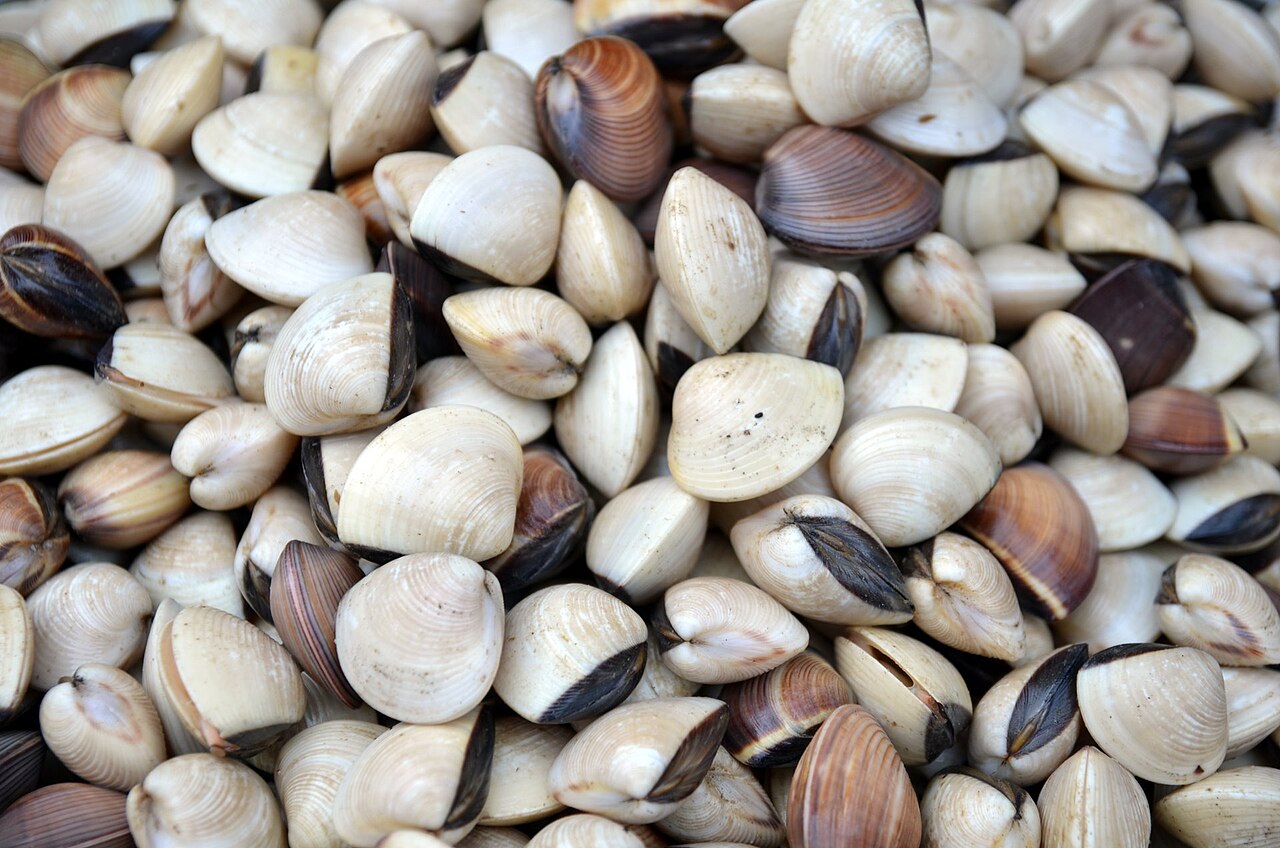
Ngao hai cùi, also called ngao hai cồi, receives its Vietnamese name from the two noticeable sections of firm meat inside the shell. It is commercially described as the turgid venus clam, although common English names can differ between suppliers.
This clam can be raised in suitable seabed areas or suspended farming systems, depending on local conditions. It is prized for a firm, slightly chewy texture and natural sweetness. Vietnamese regulatory species lists identify ngao hai cùi as Tapes dorsatus; a particular specimen should still be checked when scientific precision is required.
Why are different species kept separately?
A floating farm is not a mixed aquarium. Farmers divide seafood by species and size because each group has different requirements. Separating them helps farmers:
- Control feeding more accurately
- Observe growth and behavior
- Reduce competition between large and small fish
- Plan harvesting according to market demand
- Detect health or water-quality problems earlier
- Prevent one damaged cage from affecting the entire stock
The selection also changes over time. A farm may have grouper and sea bass during one visit but a different combination several months later. Storms, water conditions, juvenile availability, market prices and regulations all influence what farmers choose to raise.
An official 2023 Cát Hải document listed commercial stocks including cobia, starry croaker, sea bass and cá gáy in the bays around the Cát Bà Archipelago, demonstrating the range involved in the area’s marine aquaculture economy.
What should travelers ask before ordering seafood?
Local seafood is most enjoyable when you understand what you are buying. Ask the restaurant or guide:
- Is the seafood farmed locally or caught in the wild?
- Which species is currently in season?
- Is the price listed per kilogram, per animal or per dish?
- Will the seafood be weighed before cooking?
- Which preparation method suits that species?
- Are cooking fees, sauces and side dishes included?
These simple questions help prevent confusion and allow visitors to appreciate the work behind each meal. The fish on the table may have taken months—or longer—to raise, with farmers feeding it, cleaning its cage and protecting it through changing tides and storms.
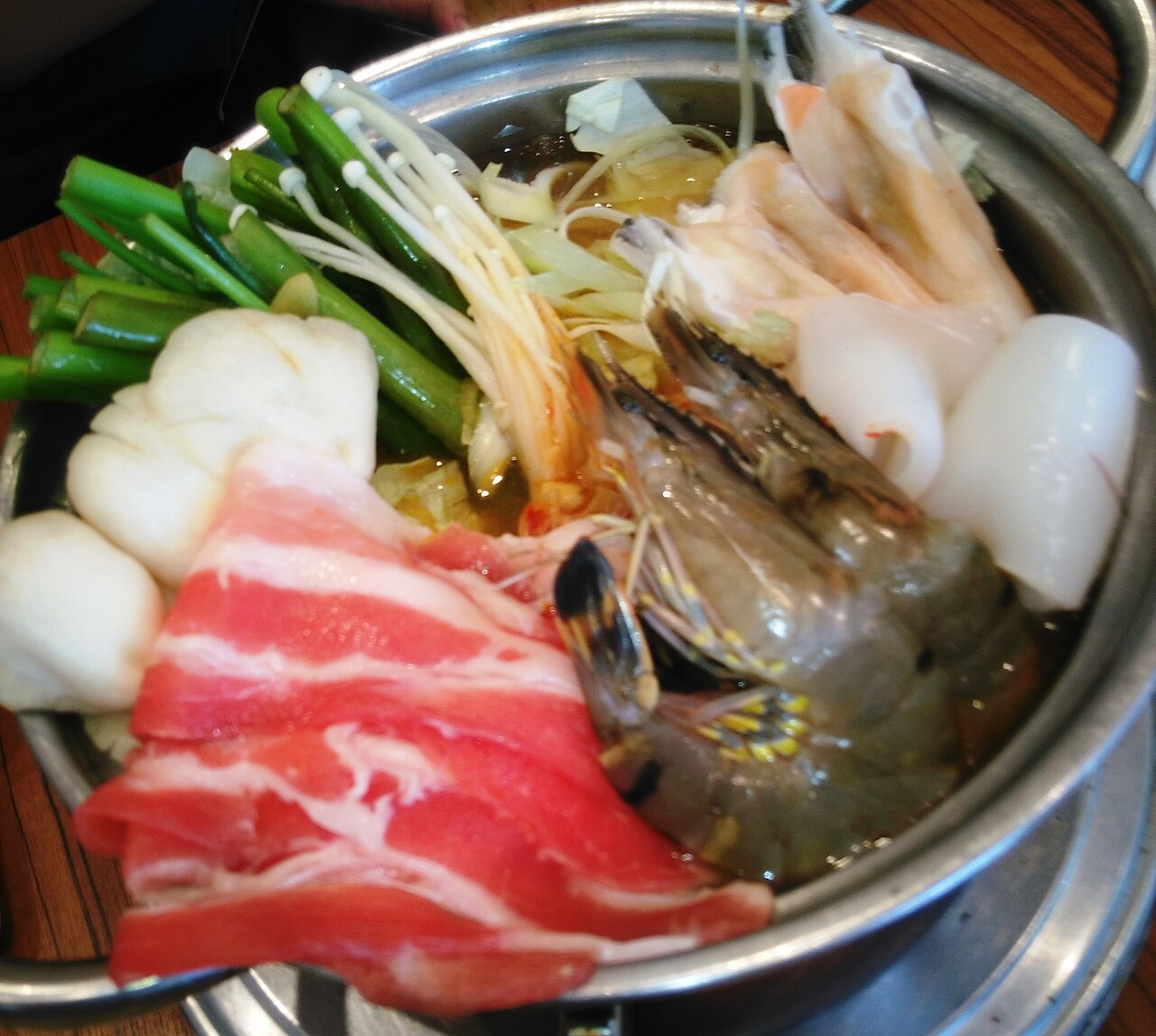
Lan Ha Bay’s aquaculture is not represented by one famous fish. It is a living system built around cobia, grouper, croaker, sea bass, spangled emperor and locally valued clams. Learning their names turns a floating farm from a scenic photo stop into a window onto the skills, food culture and livelihoods of the bay.