
Cat Ba Beyond · Food in Cat Ba
What Should You Eat in Cat Ba?
The best meal in Cát Bà is not necessarily the largest seafood platter or the most expensive fish in a restaurant tank. It is usually the meal built around what is fresh that day, prepared simply and ordered with a clear understanding of the price.
Cát Bà’s cuisine reflects its fishing and aquaculture traditions. Fish, squid, crab, mantis shrimp and shellfish appear throughout local menus, but visitors should also try everyday noodle soups, rice meals, vegetables and Cát Hải fish sauce.
Begin by asking what is fresh
Seafood availability changes with the season, weather and daily catch. Even farmed fish are harvested according to size and market demand rather than being continuously available. Instead of deciding on a species before entering the restaurant, ask:
- What arrived today?
- Which seafood is currently in season?
- Is it wild-caught or farmed?
- Which cooking method does the restaurant recommend?
- Is the price per kilogram, per animal or per dish?
Steaming, grilling and boiling are often the best preparations for fresh seafood because they preserve its natural texture and flavor. Heavy sauces can be enjoyable, but they can also conceal the quality of the main ingredient.
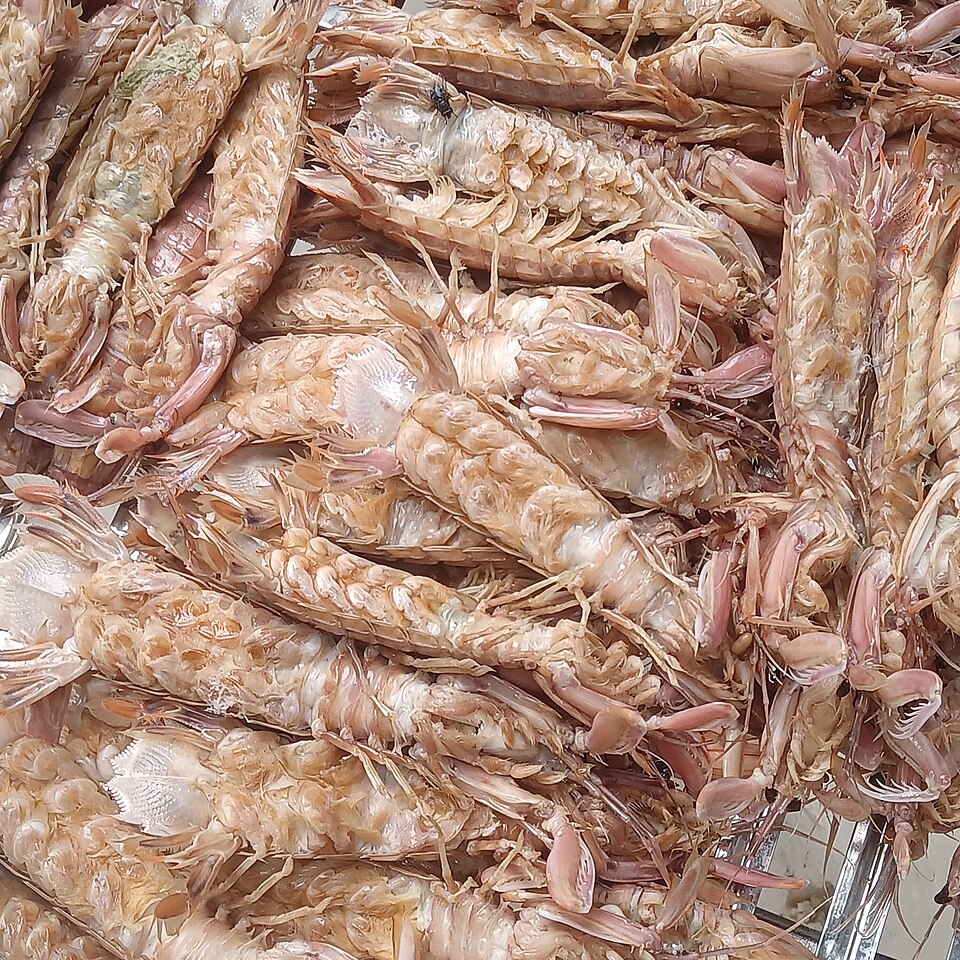
Mantis shrimp – Bề bề
Mantis shrimp, called bề bề in northern Vietnam, is one of the most approachable Cát Bà seafood choices. It has firm, naturally sweet meat protected by a hard shell.
Popular preparations include steamed, beer-steamed, salt-roasted, tamarind-coated and grilled mantis shrimp. Steaming is the best option when you want to judge freshness; salt-roasting adds more flavor but can make the dish heavier.
Ask whether it will be served whole or peeled. Some dishes appear inexpensive until you realize much of the weight is shell. Cát Hải’s tourism information lists bề bề among the area’s seafood specialties.
Blue swimming crab – Ghẹ
Ghẹ is commonly translated as blue swimming crab. It is smaller and lighter than many mud crabs, with sweet, delicate meat. Steaming, sometimes with lemongrass or beer, lets the flavor stand out.
Before ordering, ask to see the crab and confirm its weight. A lively crab generally offers a better eating experience than one kept in poor tank conditions. Crab is ideal for sharing, but the edible meat weighs much less than the whole animal. Ask staff how many are suitable for your group rather than ordering one kilogram per person automatically.
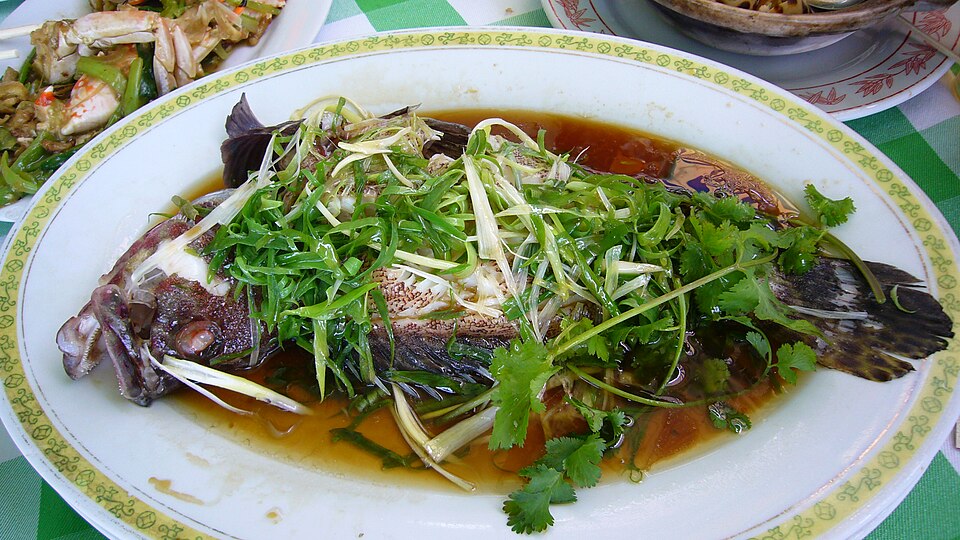
Grouper – Cá song
Grouper, locally cá song, is a premium fish associated with floating aquaculture around Cát Bà and Lan Hạ Bay. Its firm but delicate white flesh works well steamed with soy and ginger, grilled, in hotpot, in fish porridge or lightly fried.
A whole grouper can be large and expensive. Ask for its exact weight before agreeing to buy it. Smaller groups can request a smaller fish or ask whether portions are sold. Steaming highlights freshness; hotpot lets a larger group use the head and bones for broth.
Cobia – Cá giò
Cobia, called cá giò in northern Vietnam, has dense, firm flesh and fewer small bones than many local fish. It can be grilled, steamed, fried or used in hotpot. Because it grows large, restaurants often serve portions rather than a whole fish to a small group. Ask how the portion is priced and whether the fish is fresh or previously frozen.
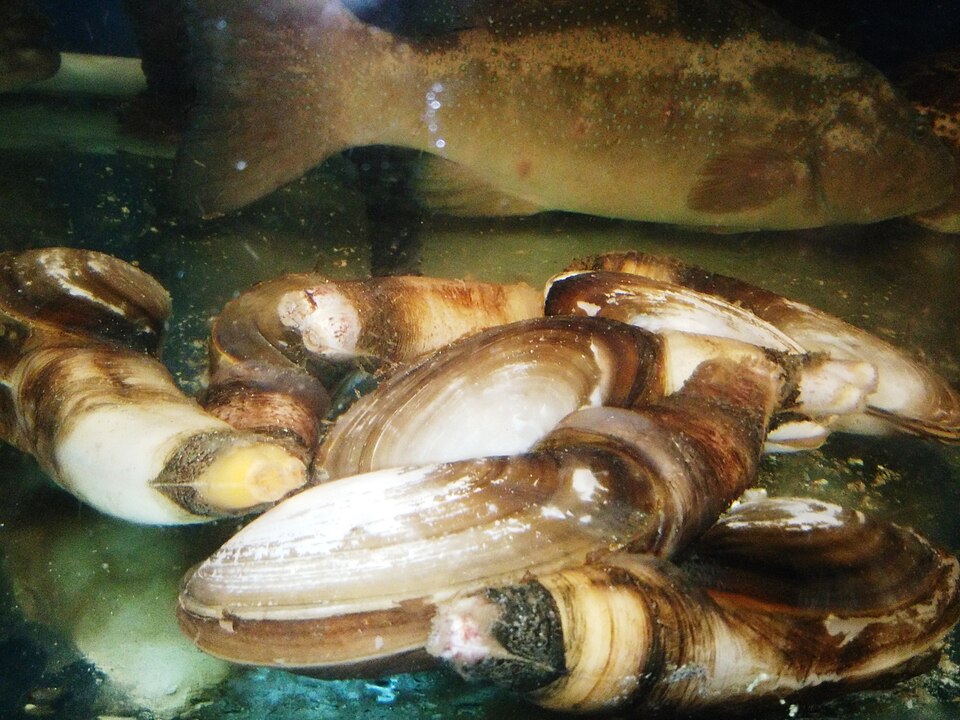
Tu hài
Tu hài is a valued northern Vietnamese shellfish. English menus often call it “geoduck,” although that translation may be used loosely and does not always identify the same species sold as geoduck elsewhere.
The meat is firm, slightly chewy and naturally sweet. It may be grilled with scallion oil or garlic, steamed with lemongrass, cooked in porridge or baked with cheese. Scallion oil is rich and aromatic; steaming makes its natural texture easier to appreciate. It may be sold by weight or by individual shellfish, so confirm the method first.
Squid – Mực
Squid is versatile and reliable in Cát Bà. It may be grilled, steamed, stir-fried, fried or dried. Fresh squid should have a clean smell and firm texture. Grilling with chili, garlic or lemongrass is good for sharing; steaming is lighter, and stir-frying with vegetables makes a rice dish.
Avoid ordering several fried seafood dishes at one meal: coatings and sauces can make different ingredients taste alike. If buying dried squid as a gift, check the packaging and storage instructions.
Clams and other shellfish
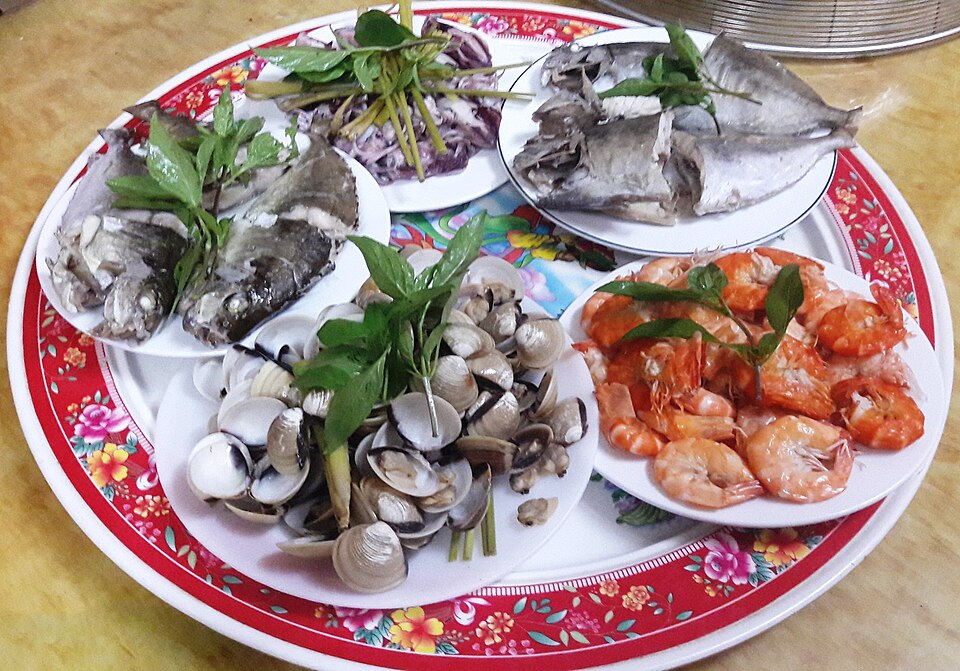
Clams are often among the best-value choices. They can be steamed with lemongrass, grilled or cooked in soup. A bowl of steamed clams gives both meat and a light, savory broth for a shared table. Other shellfish may have local names without standardized English translations. Ask to see the ingredient and have its texture explained; a local name is often more accurate than a confident but incorrect translation.
A practical Cát Bà seafood meal
For two people, consider steamed clams, a grilled squid or fish dish, seasonal vegetables, rice and a light soup. For four, add mantis shrimp or crab and one whole fish, with vegetables, rice and soup or hotpot broth.
This gives several flavors without unnecessary waste. You can order another dish if the first round is insufficient.
Try bún tôm
Seafood is not the only food worth eating. Bún tôm, a shrimp noodle soup associated with Hải Phòng, is available around Cát Bà. It usually combines rice noodles, shrimp, herbs, vegetables and a light seafood-based broth, although recipes vary.
It works well for breakfast or lunch, especially for solo travelers. Ask whether the broth or toppings contain pork if you have dietary restrictions; “shrimp noodle soup” does not mean shrimp is the only animal ingredient.
Eat a local rice meal
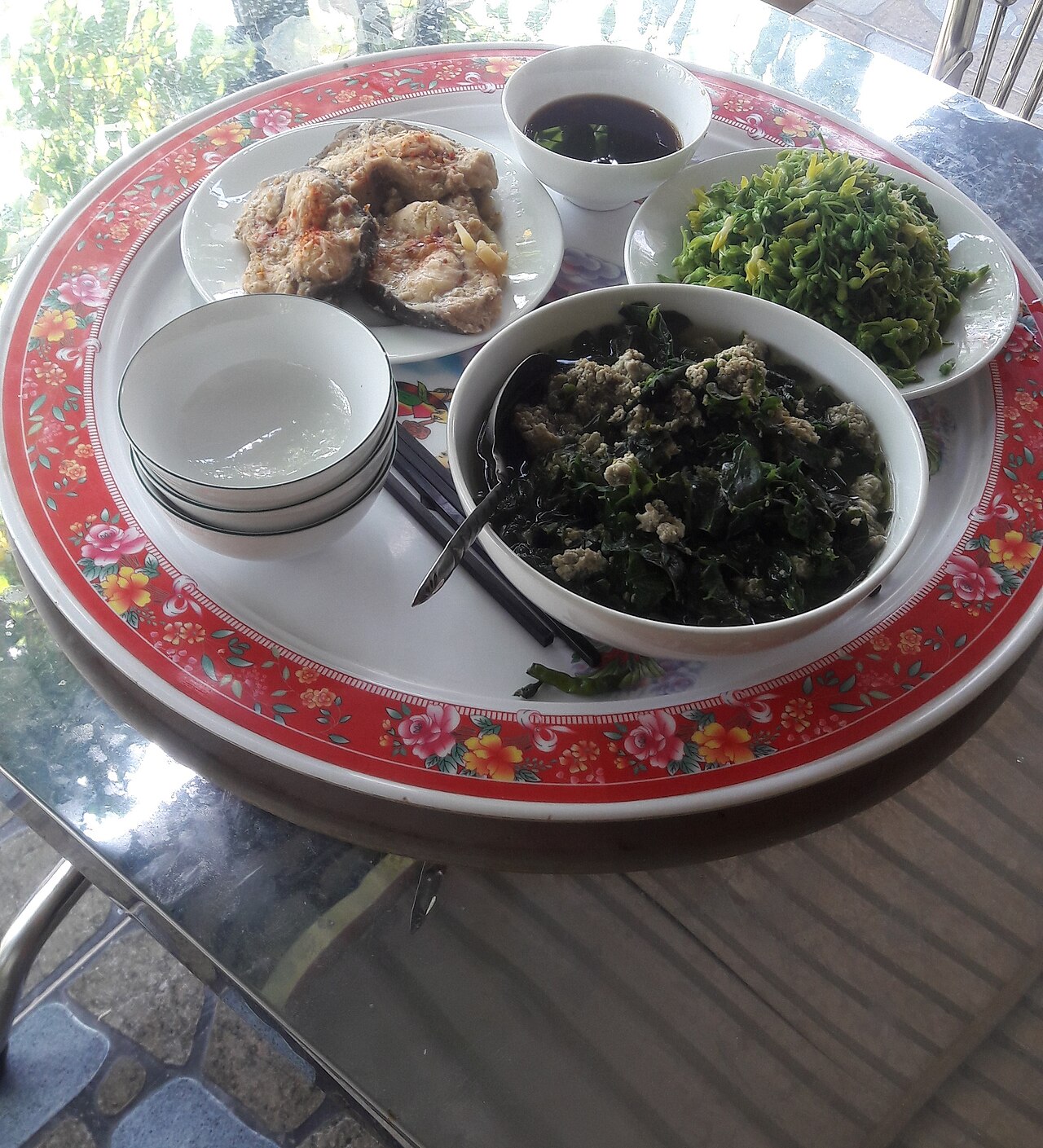
Residents do not eat premium seafood banquets every day. A family-style meal may include rice, braised fish, vegetables, soup and a small seafood dish. Braised fish is cooked slowly with fish sauce, pepper, shallots and sometimes caramelized sugar. Its concentrated flavor is meant to be shared with rice. An everyday meal can reveal more about local food culture than an oversized seafood display.
Notice Cát Hải fish sauce
Cát Hải is known regionally for fish sauce. Restaurants may use it in dipping sauces, marinades, soups and braised dishes. Ask for it on the side if you want to control the amount. If taking a bottle home by air, pack it carefully in checked baggage and confirm airline restrictions on liquids and strongly scented products.
Visit Cát Bà Market
The market shows what local people are buying. Morning is generally the most interesting time for fresh fish, shrimp, crab, shellfish, vegetables and herbs. Raw seafood still needs safe handling and proper cooking. If you buy an ingredient for a restaurant or accommodation to prepare, ask first whether the kitchen accepts outside seafood and what the preparation fee is.
How to order seafood without surprises
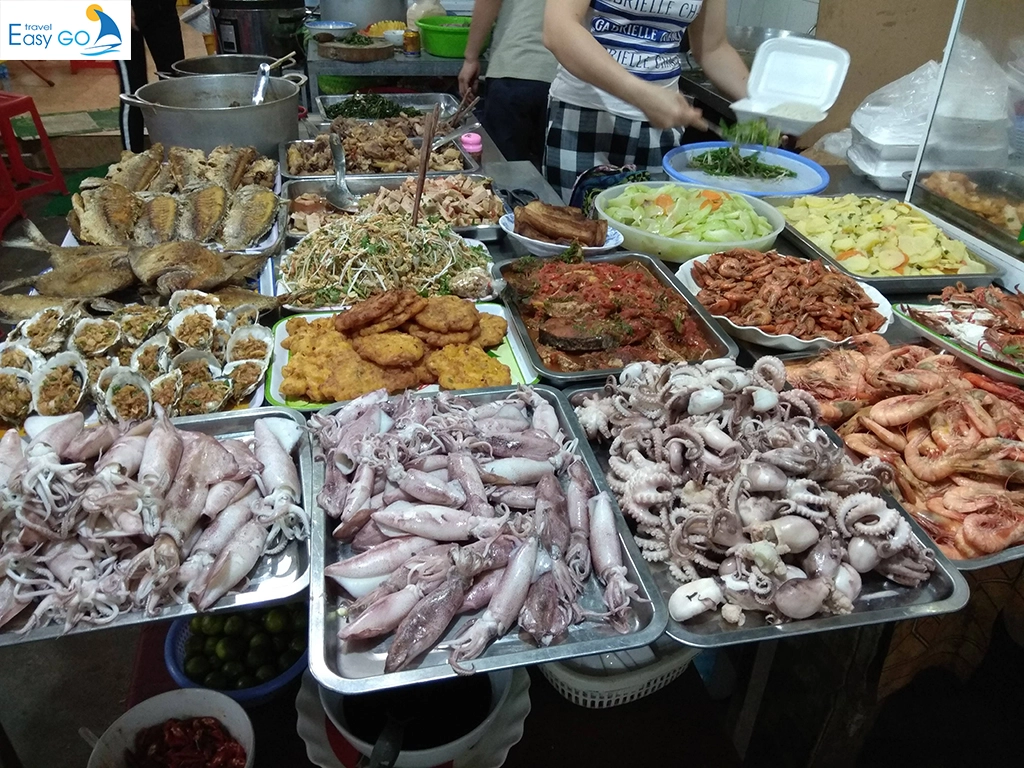
Restaurants may charge per kilogram, per 100 grams, per animal, per plate, as a prepared set or for the ingredient plus cooking. Before preparation begins:
- Confirm the exact species.
- Ask for the price and unit.
- Watch the seafood being weighed.
- Confirm whether the weight is before or after cleaning.
- Ask whether preparation is included.
- Check whether VAT or service charges apply.
- Repeat the agreed total.
Choose businesses that display prices clearly. Old price examples should not be treated as current rates, but transparent pricing remains sound advice.
Food allergies require clear communication
Seafood kitchens may share grills, oil, pans, knives and sauces. A dish without visible shrimp may still contain shrimp paste, fish sauce or seafood broth. For a serious allergy, show a clearly translated Vietnamese allergy card. Do not rely only on “no seafood”: staff may interpret fish sauce or shared cooking oil differently. Travelers with shellfish allergies should be especially cautious where cross-contact is difficult to avoid.
What should you avoid ordering?
Do not choose a dish only because it is called rare, luxurious or famous. Be cautious if prices are not displayed, staff will not confirm weight, the species is unclear, seafood appears poorly stored, staff pressure you to order quickly, the portion exceeds your needs or the preparation needs specialist safety knowledge. For unfamiliar or potentially hazardous species, use a reputable restaurant with experienced staff.
Eat seasonally and waste less
The most responsible seafood choice is often what is abundant and fresh rather than fashionable. Ask for a seasonal recommendation, but confirm the price. Start with smaller quantities; add another dish if needed. An overflowing table of untouched seafood is not a better meal. Farmers and fishermen invested time, fuel and labor before that food reached the restaurant.
The short answer
Try mantis shrimp, blue swimming crab, grouper, cobia, squid, tu hài and seasonal clams. Choose simple preparations such as steaming or grilling. Do not limit yourself to an expensive seafood dinner: eat bún tôm, a family-style rice meal and Cát Hải fish sauce.
Most importantly, ask what is fresh, confirm the price and weight before cooking, disclose allergies clearly and order only what your group can finish.