
Cat Ba Beyond · Activities
What Should You Wear for Kayaking?
The best kayaking outfit is not the most fashionable one—it is the clothing that remains comfortable after getting wet, allows you to paddle freely and protects you from sun, wind and slippery surfaces.
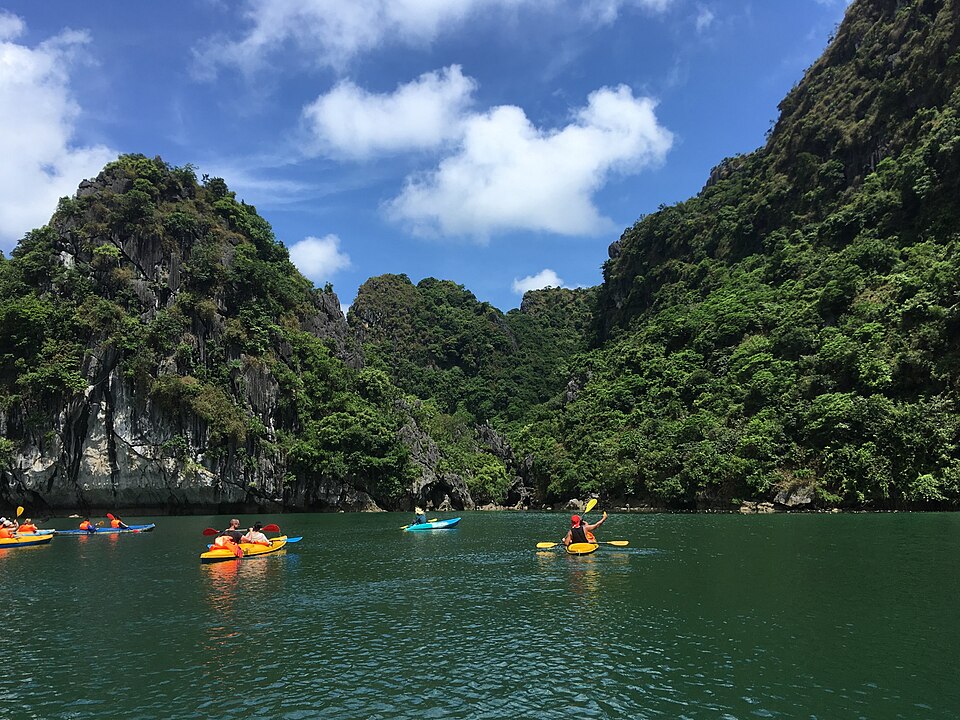
Even if you do not capsize, water will drip from the paddle, collect on the seat and splash into the kayak. When preparing for kayaking in Lan Ha Bay, dress for contact with water rather than for a dry sightseeing cruise.
What should you wear in warm weather?
During warm and sunny conditions, choose lightweight, quick-drying synthetic fabric. A sports shirt, rash guard or breathable long-sleeved top works well with swim shorts, leggings or lightweight outdoor trousers. Long sleeves protect shoulders and arms from direct sunlight; reflected light and a cooling breeze can make sunburn easy to miss.
Clothes should fit comfortably without hanging loosely around the kayak. Check that you can rotate your upper body and lift both arms freely.
A practical warm-weather outfit includes:
- A quick-drying shirt or rash guard
- Swim shorts, leggings or synthetic trousers
- Secure water shoes
- A brimmed hat or cap
- Sunglasses with a retaining strap
- Water-resistant sunscreen
- A properly fitted life jacket or buoyancy aid
What footwear is suitable?
Wear lightweight water shoes, closed-toe sandals or sports sandals with secure heel straps. They should stay on if you enter the water and grip wet boat steps. Bare feet offer little protection from shells, rocks or hot surfaces. Flip-flops can slip off or float away. Heavy trainers absorb water, while smooth fashion sandals can be slippery. You do not need expensive specialist shoes for a short guided excursion—just a secure fit and reliable grip.
Is a swimsuit enough?
A swimsuit is useful under your clothes if swimming is included, but only a bikini or swimming trunks may leave skin exposed to sun, wind and rubbing from the seat or flotation vest. A rash guard and swim shorts offer more coverage and remain comfortable when wet. Carry a lightweight cover-up if the route includes a floating community, restaurant or other public stop.
What should you wear in cooler weather?
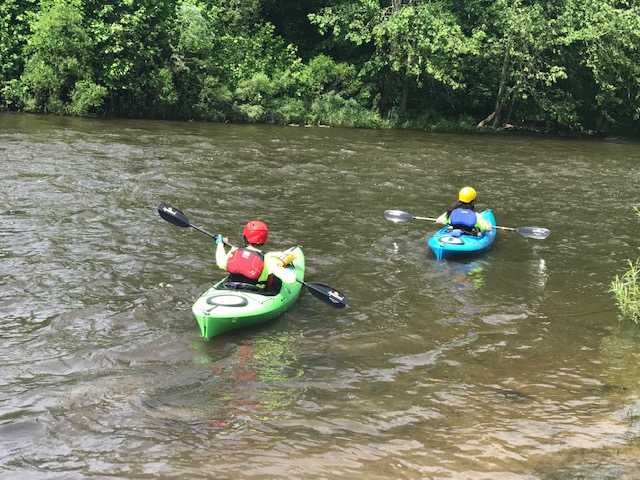
Wind and wet clothing can make kayaking feel colder than the air temperature suggests. In cooler Cat Ba months, start with a quick-drying base layer, add a light insulating layer if needed, then a windproof or splash-resistant jacket. Avoid so much bulk that the life jacket no longer fits.
The American Canoe Association advises dressing for water temperature and possible immersion, carrying spare dry layers and favouring quick-drying synthetics over cotton. For longer or independent paddling in genuinely cold water, a wetsuit or drysuit may be necessary. That differs from a short guided tourist paddle in sheltered conditions: ask the operator what equipment the actual water and route require.
Why should you avoid cotton and denim?
Cotton holds water and dries slowly. A cotton T-shirt can become cold and heavy after rain or repeated splashes; a thick hoodie is even less practical. Jeans restrict movement and stay wet when seated. Choose synthetic hiking trousers, sports leggings or swim shorts instead. Avoid loose scarves, bulky coats and straps that could catch on the boat or paddle.
How should a life jacket fit?
Wear the operator-provided life jacket or suitable buoyancy aid even if you swim confidently. It should fit snugly without restricting breathing or shoulder movement. Fasten every buckle, tighten the straps as directed and check that it does not ride up toward your face when lifted at the shoulders. Never sit on it, put it behind your back or remove it because the bay looks calm.
RNLI kayaking guidance recommends wearing suitable flotation equipment, while its fit advice explains that kayak-specific buoyancy aids leave room around the arms and shoulders and must stay secure when lifted. Children need properly sized child equipment; an oversized adult vest is not a substitute.
How should you protect yourself from the sun?
Apply water-resistant sunscreen before launching, including ears, neck, knees and the tops of your feet. Reapply according to its instructions, especially after swimming. Use sunglasses with a retaining strap; polarised lenses can reduce glare. Choose a hat that stays on in wind. Cloud cover does not eliminate ultraviolet exposure.
What should you do with your phone and valuables?
Seal your phone in a waterproof pouch and secure it to your body or boat. Test the pouch beforehand; a case that looks protective may leak during immersion. Leave passports, wallets, jewellery and unnecessary electronics in a secure dry place on the main boat. Use a reliable waterproof case and attached or floating strap for a camera.
Pack a dry bag with:
- A complete change of clothes
- A small towel
- Essential medication
- An extra warm layer
- A reusable water bottle
A simple Lan Ha Bay kayaking outfit
For most short guided warm-weather paddles, choose a quick-drying long-sleeved shirt, swim shorts or leggings, secure water shoes, a hat and sunglasses. Add sunscreen and fasten the provided life jacket correctly. In cooler, windy or rainy conditions, add synthetic layers and a light protective jacket. Bring dry clothes for the return journey.
The right outfit lets you focus on cliffs, caves and lagoons rather than wet jeans, lost flip-flops or sunburn.