
Cat Ba Beyond · Cat Ba National Park & Trekking
Which Trekking Route Should You Choose in Cat Ba?
The best trekking route in Cat Ba is not necessarily the longest or most difficult one. It is the route that matches your fitness, available time, experience and the day’s weather.
Cat Ba offers short viewpoint hikes, medium forest stages and demanding cross-island treks. Choosing correctly can mean the difference between an enjoyable adventure and an exhausting day spent worrying about slippery rocks, transport or fading daylight.
1. Kim Giao Forest–Ngu Lam Peak: Best for beginners
If this is your first time trekking in Cat Ba, choose the route through Kim Giao Forest to Ngu Lam Peak. It is the most practical introduction to the island’s limestone landscape and can usually be completed within half a day.
The return journey generally takes around two to three hours, depending on your pace and rest stops. The beginning is relatively gentle, but the path soon includes stone steps, exposed roots, sharp limestone and steep sections.
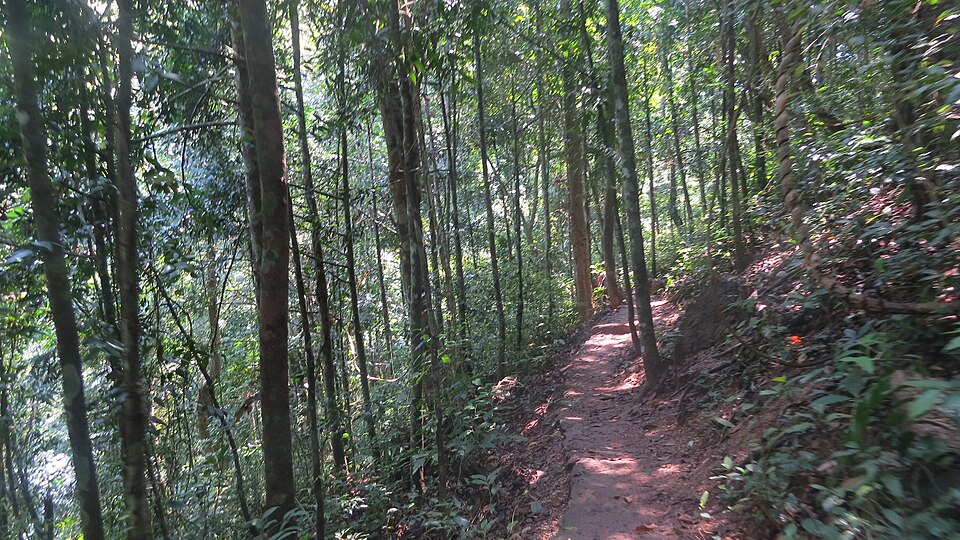
You do not need advanced hiking experience, but you should be comfortable walking uphill. Shoes with good grip are essential, especially after rain. At approximately 225 metres above sea level, Ngu Lam Peak offers views over forest-covered limestone mountains when the weather is clear.
Choose this route if:
- You are new to trekking.
- You have only two or three hours.
- You want a viewpoint without spending all day in the forest.
- Your group has mixed fitness levels.
- You want to combine trekking with Trung Trang Cave or another attraction.
This route may still feel challenging during hot or humid weather. Allow time for breaks rather than treating it as a race to the viewpoint.
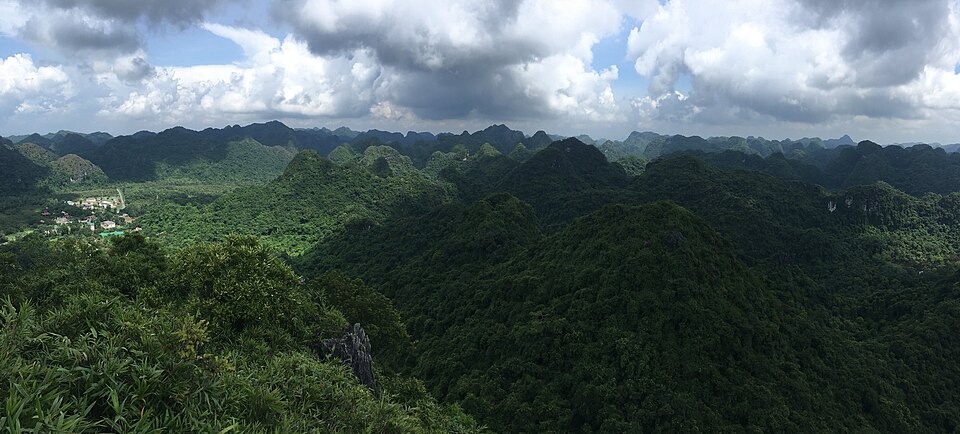
2. A medium forest route: Best for active travelers
Travelers who exercise regularly and want more time inside the forest can consider a medium stage. One documented local itinerary covers approximately six kilometres from the park entrance to Ao Ech, crossing three hills before continuing another four kilometres towards Viet Hai.
This six-kilometre section is part of a longer one-way journey, not a standard signed loop. A shorter or medium outing therefore needs an operator-defined start, finish and return plan. Depending on the exact itinerary and conditions, it may take several hours.
Compared with Ngu Lam Peak, a medium forest stage provides a stronger sense of exploration. You spend more time away from the entrance and encounter rocky slopes, narrow paths and sections requiring careful foot placement.
Choose a medium route if:
- You have reasonable fitness.
- You can walk continuously for several hours.
- You want more forest and fewer quick sightseeing stops.
- You are comfortable on uneven ground.
- You have confirmed how and when you will return to Cat Ba Town.
Ask exactly where the route begins and ends before booking. “Six-kilometre trek” is not enough information on its own: elevation, trail surface, weather and transport affect difficulty more than distance alone.
3. Cat Ba National Park–Viet Hai: Best for adventure
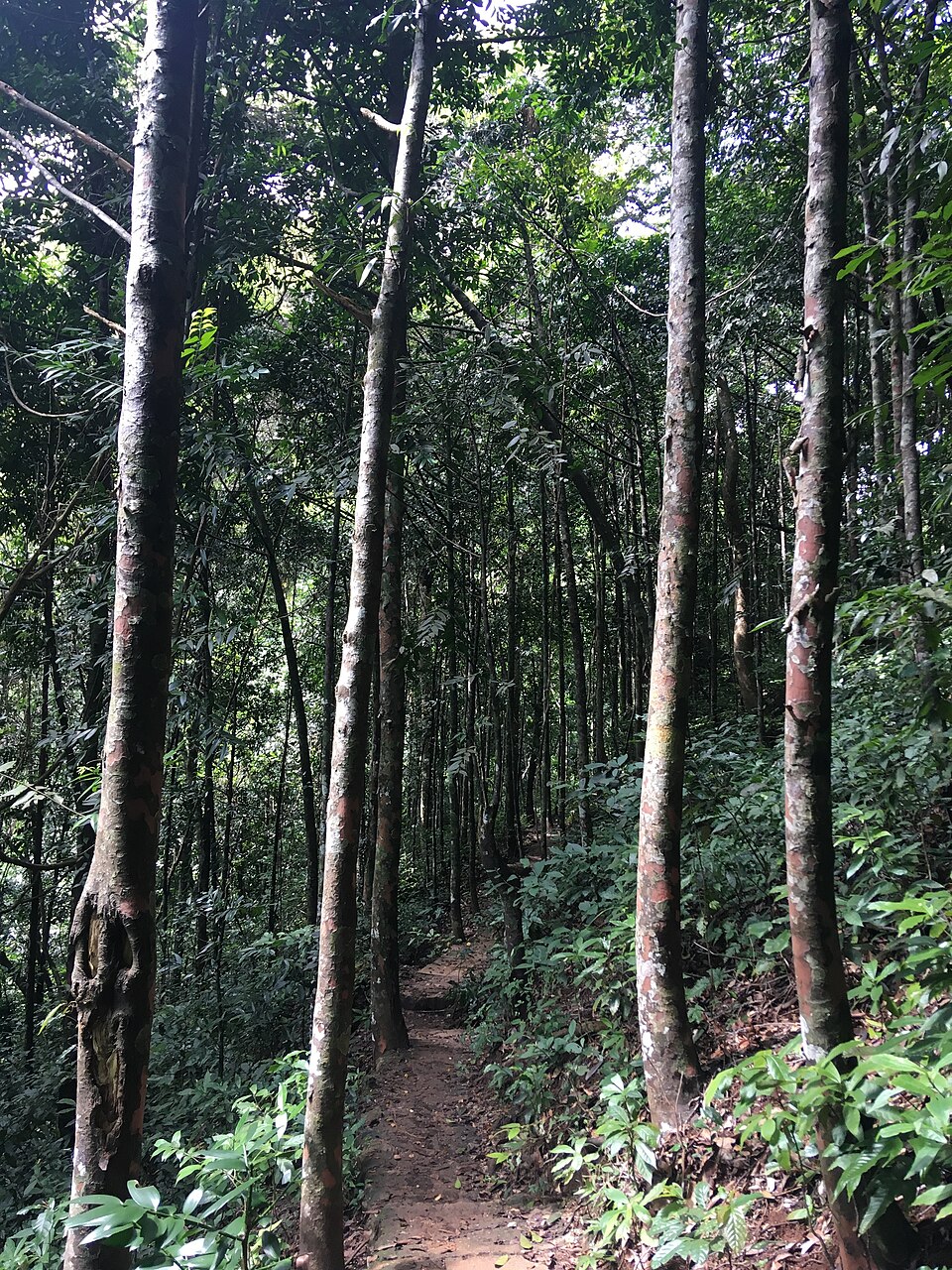
The cross-forest trek to Viet Hai Village is the strongest choice for adventurous travelers. The documented forest journey is approximately 10 kilometres—about six kilometres to Ao Ech and four more to Viet Hai. Walking time varies with the group, weather and trail conditions, so plan it as a full-day itinerary rather than relying on a fixed four-hour estimate.
This is not simply a longer version of the Ngu Lam climb. It crosses dense forest, rocky slopes, limestone terrain and winding paths before reaching the isolated Viet Hai area. You must also consider what happens after the walk.
Viet Hai is separated from Cat Ba Town by the national park and surrounding waters. Depending on the itinerary, travelers may continue by bicycle or electric vehicle inside the village before leaving by boat. Transport should therefore be arranged before starting the trek.
Choose the Viet Hai route if:
- You have good stamina.
- You enjoy full-day outdoor experiences.
- You are comfortable walking on rough terrain.
- You have appropriate footwear and sufficient water.
- You want to combine trekking with local village life.
- You can arrange a guide and onward transportation.
A local guide is strongly recommended. Beyond navigation, a knowledgeable guide manages timing, explains the forest environment and helps coordinate transportation at the finishing point.
How does weather affect your decision?
Weather can change the difficulty of every Cat Ba trekking route. Limestone becomes slippery when wet, while fallen leaves may hide loose stones and roots. High humidity can also make a moderate climb feel much more demanding.
After heavy rain, the shorter Ngu Lam route may be a better choice than a long forest crossing. During persistent rain or storms, postponing the trek is safer than forcing the original itinerary.
Start early whenever possible. Morning temperatures are generally more comfortable, and an early departure provides additional daylight if the group moves slower than planned.
Which route is best for families?
Families with active older children can consider Ngu Lam Peak. Parents should still supervise children carefully on steep steps and exposed limestone.
The medium and Viet Hai routes depend heavily on the child’s hiking experience. Distance alone is not a reliable guide: humidity, uneven ground and prolonged walking may cause fatigue earlier than expected.
Families with very young children should choose a short forest walk or another accessible nature experience rather than attempting a complete cross-island trek.
What about older travelers?
Age does not automatically determine which route is appropriate. Mobility, balance and existing knee problems matter more. A healthy older traveler who walks regularly may enjoy Ngu Lam Peak, while a younger visitor with knee pain may struggle with the descent.
Descending steep stone steps often places greater pressure on the knees than climbing. Walking poles, supportive shoes and a slower pace can help, but travelers with significant mobility limitations should avoid demanding trails.
What should you bring?
For any trekking route, carry:
- Shoes with reliable grip
- Drinking water
- Lightweight, quick-drying clothing
- Insect repellent
- Sunscreen and a hat
- Snacks or energy bars
- A light rain jacket
- A waterproof cover for electronics
For the Viet Hai route, bring additional water and food. Keep your backpack light enough to carry comfortably for several hours.
A simple way to choose
Select Kim Giao–Ngu Lam if you are a beginner, have half a day or want a manageable viewpoint hike.
Select a medium forest stage if you have good general fitness and want a longer nature experience, but only after confirming its exact finish and return transport.
Select the Viet Hai route if you have good stamina, most of the day available and want a genuine trekking adventure with transport arranged at the finish.
Do not choose from photographs alone. Consider distance, elevation, terrain, weather, daylight and where the route ends. Cat Ba Beyond can help you select an appropriate trail, arrange a knowledgeable guide and coordinate transportation around your trekking itinerary.