
Cat Ba Beyond · Food in Cat Ba
Which Seafood Is Most Characteristic of Cat Ba?
Cát Bà is strongly associated with seafood, but no single species belongs exclusively to the island. What makes its seafood culture distinctive is the combination of local fishing, floating aquaculture, seasonal markets and simple preparations that preserve the ingredient’s natural flavor.
Tu hài, mantis shrimp, grouper, cobia, blue swimming crab, squid and several kinds of clam are among the foods most closely connected with the Cát Bà dining experience.
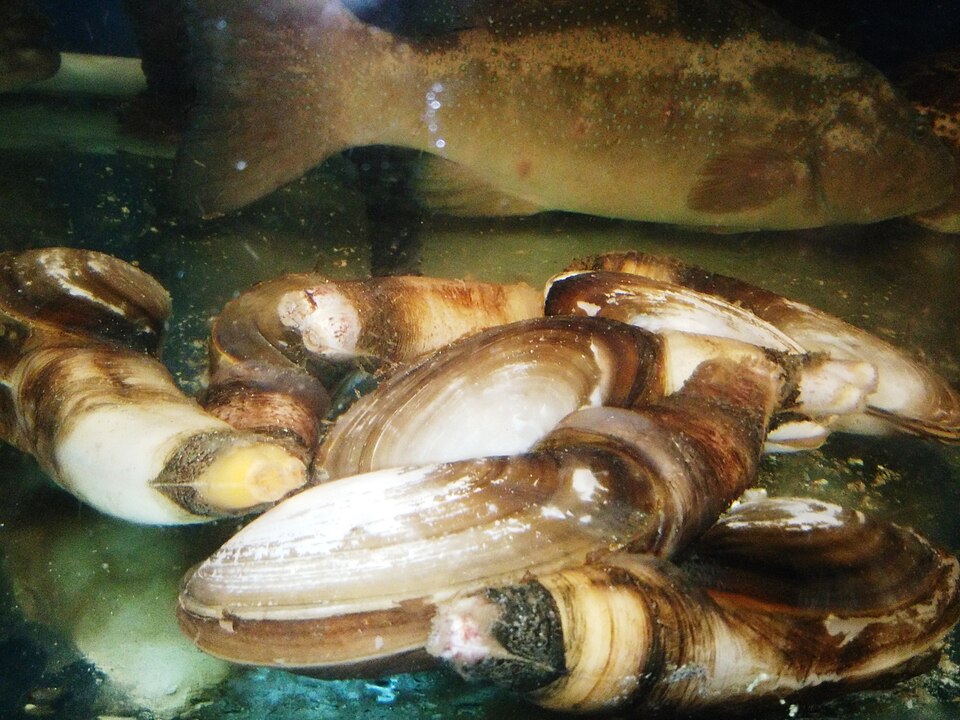
Tu hài: Cát Bà’s best-known shellfish
Tu hài is frequently promoted as one of Cát Bà’s signature seafood products. English menus commonly translate it as “geoduck,” although that name may be used loosely and does not always refer to the same species sold as geoduck in other countries.
Tu hài has firm, slightly chewy flesh with a naturally sweet flavor. Popular preparations include:
- Steamed with lemongrass
- Grilled with scallion oil
- Grilled with garlic
- Baked with cheese
- Cooked in porridge
Steaming is ideal for travelers who want to taste the shellfish clearly. Grilling with scallion oil creates a richer dish and is one of the most popular restaurant preparations.
Tu hài may be priced per kilogram or per individual shell. Ask which method is being used before ordering. Cát Bà’s tourism information lists grilled and steamed tu hài among the island’s notable seafood choices.
Mantis shrimp – Bề bề
Mantis shrimp, called bề bề, is one of the most recognizable seafood dishes in Cát Bà and the wider Hải Phòng region.
Its meat is firm, dense and sweet, but the hard shell accounts for a significant part of its weight. Common preparations include:
- Steamed mantis shrimp
- Beer-steamed mantis shrimp
- Salt-roasted mantis shrimp
- Tamarind mantis shrimp
- Grilled mantis shrimp
Steaming preserves the natural flavor and helps you judge freshness. Salt-roasting or tamarind sauce creates a stronger, richer dish.
Ask whether the restaurant serves the mantis shrimp whole or peeled. A peeled dish may cost more because of the additional preparation and higher proportion of edible meat.
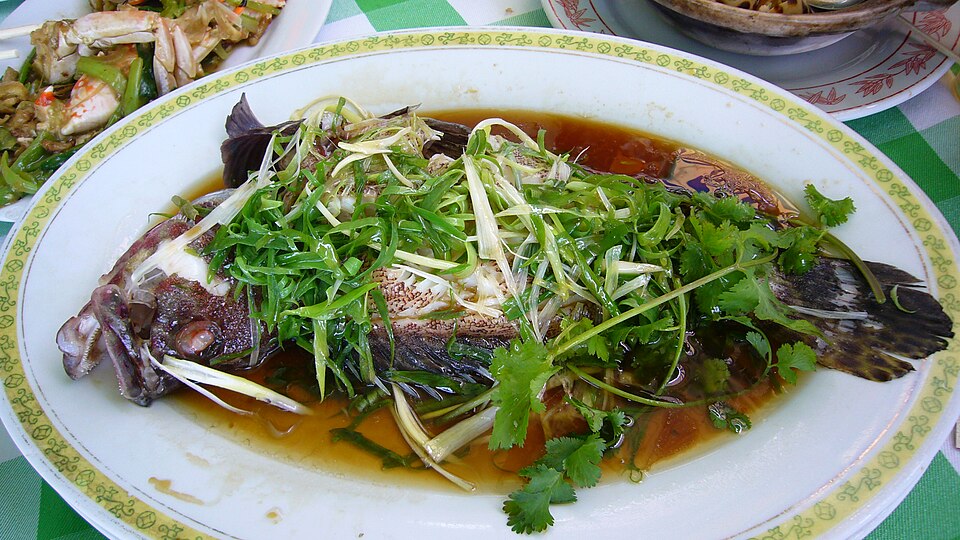
Grouper – Cá song
Grouper, locally called cá song, is closely associated with Cát Bà’s floating fish farms. Visitors traveling through Cái Bèo or Lan Hạ Bay may see grouper raised in net cages beneath floating walkways.
The fish has white, mildly flavored flesh with relatively few small bones. It is commonly prepared by:
- Steaming with soy sauce, ginger and herbs
- Grilling
- Cooking in hotpot
- Making fish porridge
- Frying and serving with sauce
A whole grouper may be too large for one or two diners. Always ask for its weight before agreeing to buy it. Small groups can request a smaller fish, a portion or a different species.
Steaming is usually the best preparation when the fish is genuinely fresh.
Cobia – Cá giò
Cobia is called cá giò in northern Vietnam. It grows quickly and is one of the important fish raised in marine cages around the Cát Bà Archipelago.
Its flesh is firmer and denser than grouper, making it suitable for:
- Grilling
- Steaming
- Frying
- Hotpot
- Fish soup
- Thick-cut portions
Because cobia can grow very large, restaurants usually sell portions rather than an entire fish. Confirm whether the price refers to the raw weight or prepared serving.
Cobia is a good choice for diners who want a substantial fish dish that can withstand grilling or a strongly flavored hotpot.
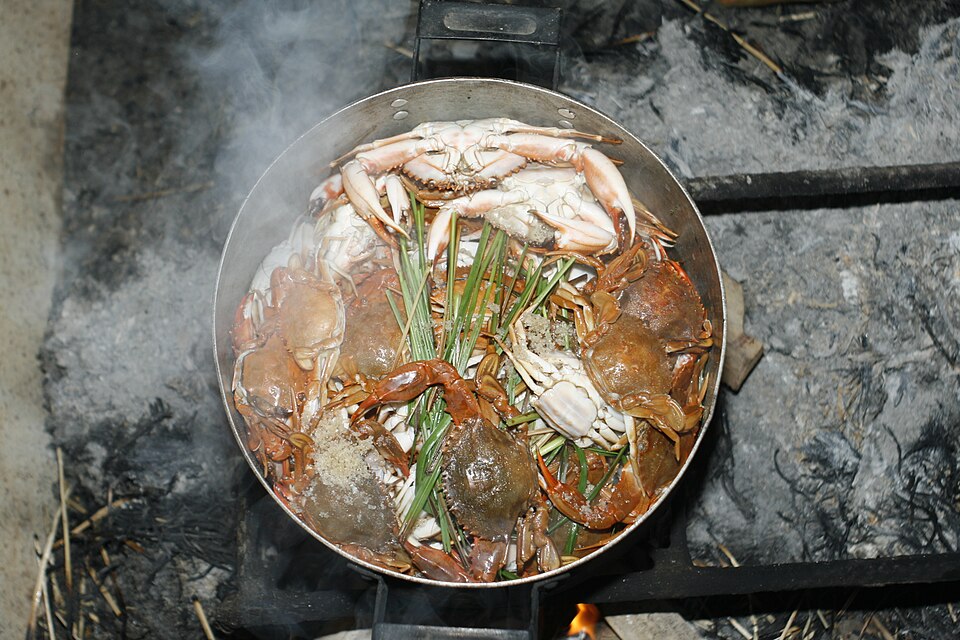
Blue swimming crab – Ghẹ
Ghẹ generally refers to swimming crab, often blue swimming crab. It is valued for delicate, sweet meat and is best prepared simply.
Steaming with lemongrass or beer is the most reliable option. Fresh crab should be active before cooking, although diners should not handle animals without staff assistance.
The edible meat represents only part of the crab’s total weight, so ask the restaurant how many crabs are appropriate for your group. One large order can produce less food than visitors expect after the shells are removed.
Squid – Mực
Squid is not exclusive to Cát Bà, but it remains an important part of the island’s seafood identity. Fishing boats supply squid to markets and restaurants, while dried squid is widely sold as a snack or gift.
Fresh squid may be:
- Grilled with chili or lemongrass
- Steamed with ginger
- Stir-fried with vegetables
- Deep-fried
- Stuffed and cooked in sauce
Good squid should be firm rather than soft or mushy. Ask whether it arrived fresh that day or has been frozen. Frozen squid is not automatically poor quality, but the restaurant should describe it honestly.
Grilling creates a smoky flavor, while steaming gives a clearer sense of the squid’s natural sweetness.
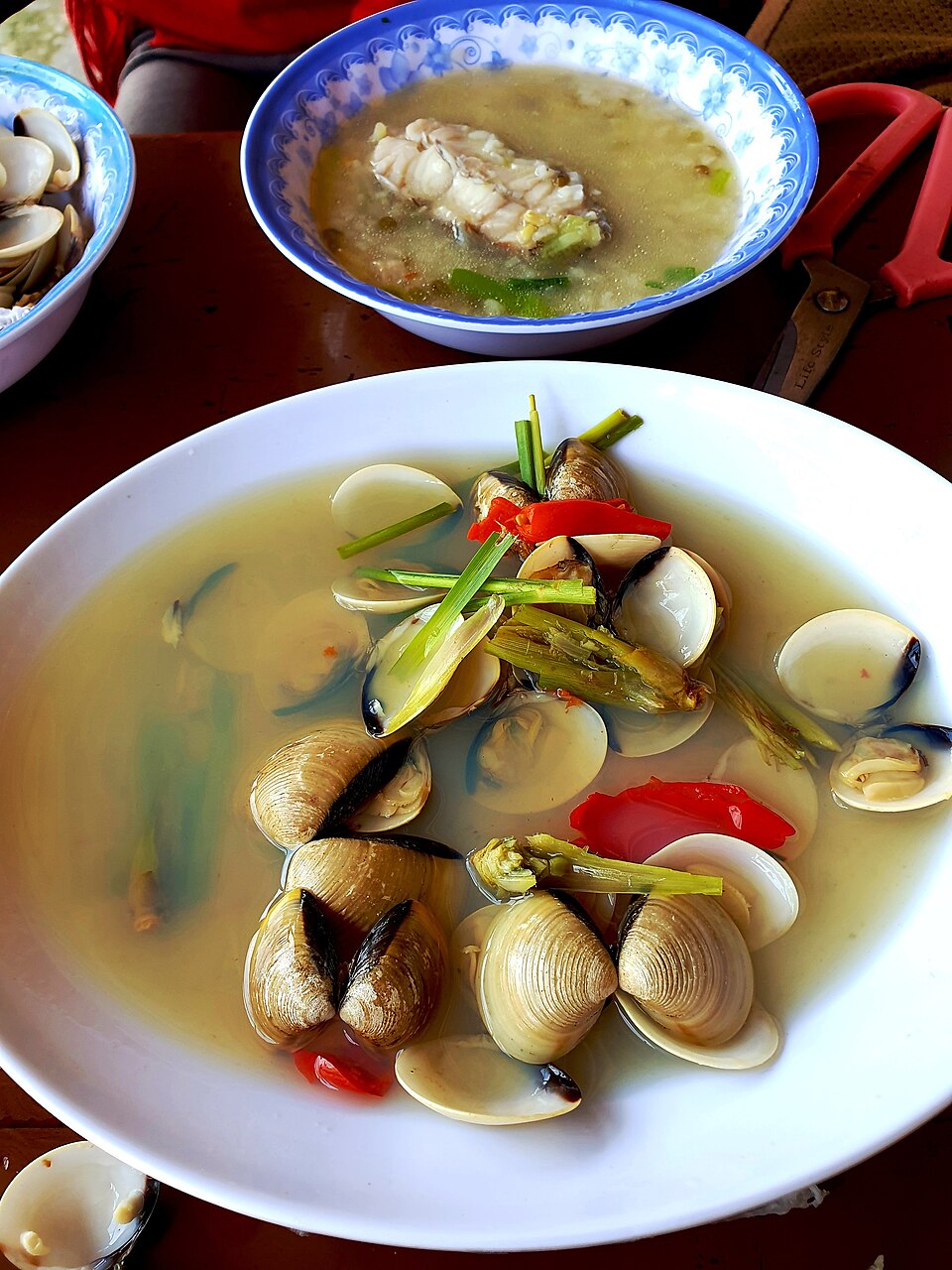
Clams and locally named shellfish
Cát Bà’s seafood culture includes more than expensive fish and large crustaceans. Clams may offer some of the freshest and best-value dishes on the menu.
Depending on availability, visitors may encounter:
- Flower clams – ngao hoa
- Two-muscle clams – ngao hai cùi
- White clams
- Oysters
- Blood cockles
- Locally named sâng or sần shellfish
Not every local name has a standardized English equivalent. It is often more accurate to retain the Vietnamese name and ask the restaurant to show the shellfish.
Steaming with lemongrass is a simple and reliable preparation. The resulting broth can be as enjoyable as the clam meat itself.
Are these species caught or farmed?
Cát Bà’s seafood comes from several sources:
- Marine cage aquaculture
- Shellfish farming
- Local coastal fishing
- Suppliers from other northern Vietnamese waters
- Frozen or transported commercial seafood
A restaurant located on Cát Bà does not guarantee that every ingredient was caught beside the island. If local origin matters to you, ask directly.
Grouper and cobia are commonly associated with floating aquaculture. Squid and crab may be caught, transported or stored depending on supply. Shellfish may come from farming areas around Cát Bà, Hải Phòng or neighboring coastal provinces.
“Fresh,” “local” and “wild” are three different claims. Ask which one the restaurant actually means.
What should you order first?
For two diners, a practical introduction to Cát Bà seafood could include:
- One serving of steamed clams
- Grilled squid or mantis shrimp
- Vegetables
- Rice
- Soup
For four diners, consider:
- Steamed blue swimming crab
- One grouper or cobia dish
- Tu hài or clams
- Seasonal vegetables
- Rice
- Soup or hotpot
This provides variety without ordering more than the group can finish.
Which preparation is best?
The ideal preparation depends on the ingredient:
| Seafood | Recommended preparation |
|---|---|
| Tu hài | Steamed or grilled with scallion oil |
| Mantis shrimp | Steamed or salt-roasted |
| Grouper | Steamed with ginger and soy |
| Cobia | Grilled or cooked in hotpot |
| Blue swimming crab | Steamed |
| Squid | Grilled or steamed |
| Clams | Steamed with lemongrass |
When trying an unfamiliar ingredient, begin with the simplest cooking method. Strong sauces and deep frying can make different types of seafood taste almost identical.
Season and weather affect availability
No seafood species is guaranteed to be at its best every day. Storms may keep fishing boats in harbor. Farming and harvesting cycles affect the supply of fish and shellfish. Seasonal demand can also influence quality and price.
Ask what arrived that morning rather than insisting on a famous item from an online list. A simple plate of fresh squid or clams may offer a better experience than an expensive species kept too long in a tank.
The strongest local meal is often built around availability, not prestige. Cat Ba Beyond’s food guidance similarly recommends choosing the day’s fresh supply instead of relying only on an expensive name.
How to avoid price misunderstandings
Seafood may be sold per kilogram, per 100 grams, per animal or per prepared dish. Before staff begin cooking:
- Confirm the species.
- Ask for the price and pricing unit.
- Watch the seafood being weighed.
- Confirm whether the weight is taken before cleaning.
- Ask whether preparation is included.
- Check for VAT or service charges.
- Agree on the estimated total.
Choose restaurants that display their prices clearly. Local tourism guidance has long advised visitors not to use businesses that hide prices or change them after ordering.
The prices on that older page are no longer current, but its advice about transparent menus and clear billing remains relevant.
Order for flavor, not for photographs
Large seafood displays are visually impressive, but they can lead to unnecessary expense and food waste. Begin with a few dishes and add more if needed.
Remember that a farmed grouper or cobia may have required months of feeding and cage maintenance. Wild seafood requires fuel, equipment and labor to catch. Ordering more than your group can eat wastes both food and the work behind it.
The short answer
The seafood most strongly associated with Cát Bà includes tu hài, mantis shrimp, grouper, cobia, blue swimming crab, squid and locally farmed clams.
None is exclusive to the island, but together they represent Cát Bà’s connection with fishing, floating aquaculture and northern Vietnamese seafood culture.
Choose what is fresh, prefer simple cooking methods, confirm the weight and total price, and order only what your table can finish.
Discover Cát Bà’s seafood with Cat Ba Beyond and learn the local stories behind every dish.